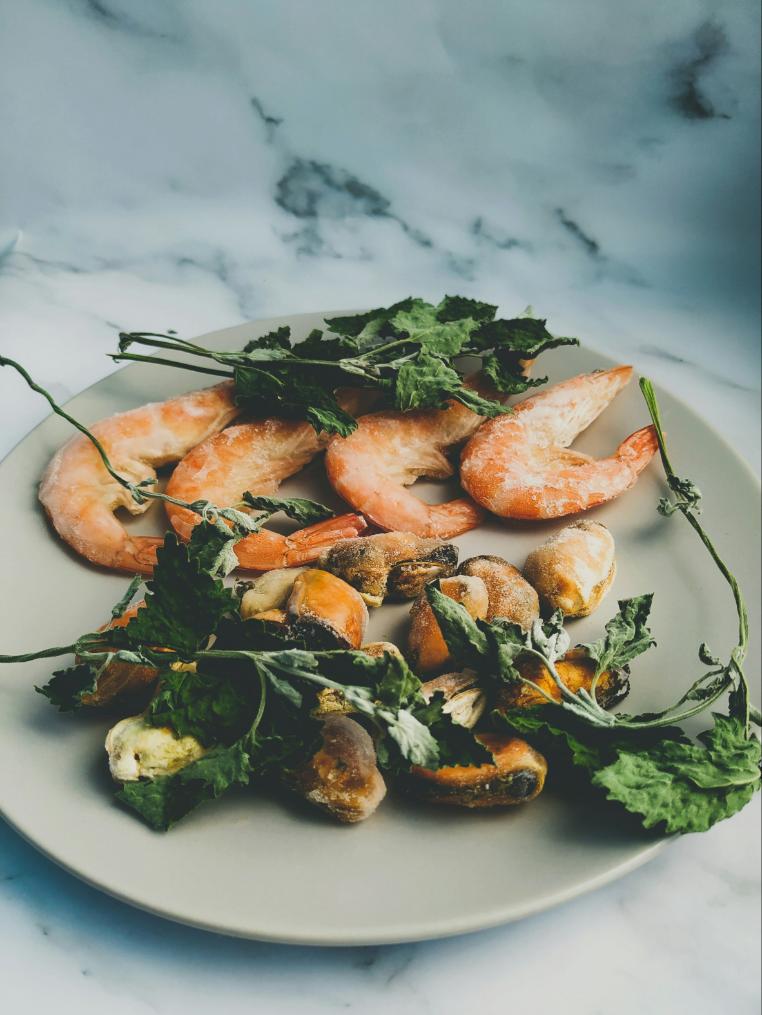
Mussels in Tomato and Garlic Broth
Twenty minutes for the densest zinc, selenium and B12 in this collection, at about half the price of salmon. One rule keeps it safe, and it takes thirty seconds to follow.
Ingredients
- 1kg live mussels, in the shell
- 400g tinned tomatoes, or 300g fresh, chopped
- 4 cloves of garlic, sliced
- 1 onion, finely chopped
- 150ml dry white wine, or stock if you would rather not
- 2 tbsp extra-virgin olive oil
- A pinch of chilli flakes
- A large handful of parsley, chopped
- Half a lemon
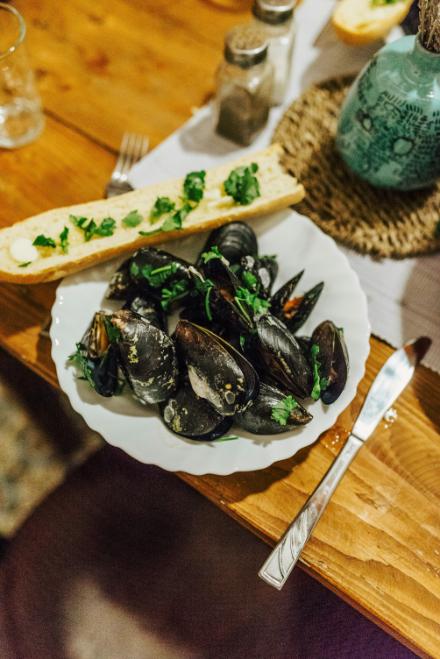
- 2 thick slices of sourdough, for the broth
Method
- Sort the mussels first, and do not skip this. Rinse them in cold water and pull off any beards. Throw away any with a cracked shell. Any that are open, tap sharply on the side of the sink: if it closes within a few seconds it is alive and fine, and if it stays open it is dead — discard it. This is the whole safety question with mussels, and it takes half a minute.
- Soften the onion in the oil in a large pan with a lid, five minutes, then the garlic and chilli for one more.
- Add the wine and let it bubble hard for a minute to cook off the raw alcohol. Add the tomatoes and simmer for five minutes.
- Turn the heat up, tip in the mussels and put the lid on. Three to four minutes, no longer. They are done the moment the shells open; another two minutes turns them to rubber.
- Throw away any that have stayed shut after cooking.
- Stir through the parsley and a squeeze of lemon. Serve in deep bowls with the sourdough, which is the point of the broth.
Why it works
Mussels are the best value in this entire collection, and it is not close.
A serving of mussels delivers far more than a day's vitamin B12, a substantial share of the daily selenium and zinc, and more iron than most red meat — for roughly half the price of a salmon fillet. Zinc holds an authorised claim for contributing to the maintenance of normal testosterone levels in the blood; selenium holds one for normal spermatogenesis. Neither means a bowl of mussels changes anything on its own. They mean these are the minerals where a real shortfall shows, and mussels are the cheapest way to close one.
The iron is haem iron, the readily absorbed form, and it arrives here alongside vitamin C from the tomatoes and the lemon, which helps further.
They are also a low-mercury seafood. Mussels filter-feed and sit near the bottom of the food chain, so they do not accumulate mercury the way long-lived predatory fish do — the contrast is set out under high-mercury fish.
Rope-grown mussels are among the least damaging animal proteins to farm: they need no feed, no fresh water and no antibiotics, and they filter the water they grow in.
More on the minerals and where else to get them: the testosterone foods list.