Japanese Ginger Pork (Shogayaki) with Shredded Cabbage and Rice
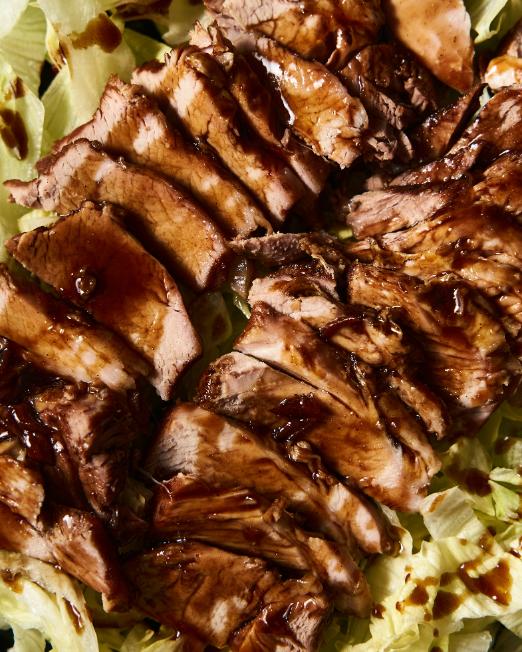
Buta no shogayaki, a Japanese home-cooking classic: thin slices of lean pork fried and glazed in a garlicky fresh ginger and soy sauce, served with crunchy shredded cabbage and brown rice. 40g of protein a plate.

Ingredients
- 120g/4oz/⅔ cup brown rice, short-grain or long-grain
- 300g/10½oz pork loin steaks (or pork tenderloin), all visible fat trimmed, cut into 5mm/¼in slices
- 1 tbsp (8g) cornflour (cornstarch)
- 2 tsp (10ml) rapeseed (canola) oil
- 1 small onion (about 100g/3½oz), thinly sliced
- 200g/7oz white or pointed (sweetheart) cabbage, very finely shredded
- 1 tsp (5ml) rice vinegar
- 1 tsp (3g) toasted sesame seeds
- 1 spring onion (scallion, about 15g/½oz), thinly sliced
- For the sauce
- 4cm/1½in piece fresh ginger (about 15g), finely grated
- 1 clove garlic (about 4g), finely grated
- 2 tbsp (30ml) reduced-salt soy sauce
- 1 tbsp (15ml) mirin (or 1 tsp honey mixed with 2 tsp water)
- Water, a splash if needed
Method
- Rinse the rice and cook according to the packet, usually 25 to 30 minutes, until tender. Drain if needed and keep covered.
- Meanwhile, mix the ginger, garlic, soy sauce and mirin in a bowl. Add the pork, toss to coat and leave for 10 minutes while you prepare the cabbage.
- Put the shredded cabbage in a bowl of cold water for 5 minutes to crisp up, then drain very well and pat dry. Toss with the rice vinegar.
- Lift the pork out of the sauce, letting the excess drip back into the bowl; keep the sauce. Dust the pork with the cornflour and toss to coat lightly.
- Heat the oil in a large non-stick frying pan over a medium-high heat. Fry the onion for 3 minutes, until starting to soften, then push it to the side. Add the pork in a single layer (in two batches if needed) and fry for 1 to 2 minutes on each side, until golden and cooked through, with no pink in the middle.
- Pour the reserved sauce into the pan and let it bubble for 1 to 2 minutes, turning the pork and onion, until the sauce is glossy and coats the meat. If it gets too thick, add a splash of water.
- Serve the pork and onion with its sauce, a mound of shredded cabbage scattered with the sesame seeds, and the rice topped with spring onion. Leftover pork keeps in the fridge for up to 2 days; reheat until piping hot. Cool any leftover rice within an hour, keep it in the fridge, eat it within 24 hours and reheat it only once until steaming hot.
Why it works
A plate has about 40g of protein and 6g of fibre for 558 calories, including the brown rice and cabbage. Pork loin with the fat trimmed off is a lean cut, and the dish needs only 2 tsp of oil for two people.
What shogayaki is. Shoga means ginger and yaki means grilled or fried. Buta no shogayaki, ginger pork, is one of the most common dishes in Japanese home cooking and set-meal restaurants, nearly always served with a heap of raw shredded cabbage, rice and miso soup.
Why the cabbage. Finely shredded raw cabbage is the traditional partner, cutting through the rich, salty glaze. Soaking it in cold water makes it extra crisp. It adds fibre and volume for very few calories.
Fresh ginger matters. Freshly grated ginger gives the sauce its bright heat; ground ginger is not a good substitute here. The light dusting of cornflour helps the sauce turn glossy and cling to the meat.
Not gluten-free, as soy sauce contains wheat; use tamari labelled gluten-free if needed. Not tagged for blood sugar, because the brown rice brings most of the 60g of carbohydrate. For another lean pork dinner, try the pork tenderloin with apples and red cabbage, or for Japanese flavours, the miso cod with pak choi.