Miso Cod with Pak Choi and Brown Rice
The restaurant version marinates black cod for days. This one needs twenty minutes: spread the miso glaze on ordinary cod and finish it under a hot grill, where it caramelises in the time it takes the pak choi to cook.
Ingredients
- 2 thick skinless cod fillets (about 140g each)
- 1.5 tbsp white miso (check the label if you avoid gluten)
- 1 tsp honey
- 1 tsp rice vinegar
- A small piece of ginger, finely grated
- 2 heads of pak choi, quartered lengthways
- 2 cloves garlic, sliced
- 1 tsp sesame oil and 1 tsp rapeseed oil
- 2 spring onions, finely sliced
- 1 tsp sesame seeds
- 250g cooked brown rice (a pouch is fine)
Method
- Heat the grill to high and line a small tray with foil, oiled lightly. Pat the cod dry with kitchen paper.
- Mix the miso, honey, rice vinegar and ginger into a thick paste and spread it over the top of each fillet. If you have time, leave it for 15 minutes; it seasons the fish more deeply, but it works without.
- Grill the cod 10cm from the heat for 8 to 10 minutes, until the glaze is caramelised in patches and the fish flakes easily in the thickest part. Watch the last two minutes: the sugar in the miso goes from golden to burnt quickly. If the top browns before the fish is cooked, move the tray down a shelf.
- Meanwhile, heat the rapeseed oil in a wok or frying pan over a high heat, add the pak choi cut side down with the garlic and cook for 2 minutes. Add 2 tablespoons of water, cover and steam for 2 minutes until the stems are just tender. Finish with the sesame oil.
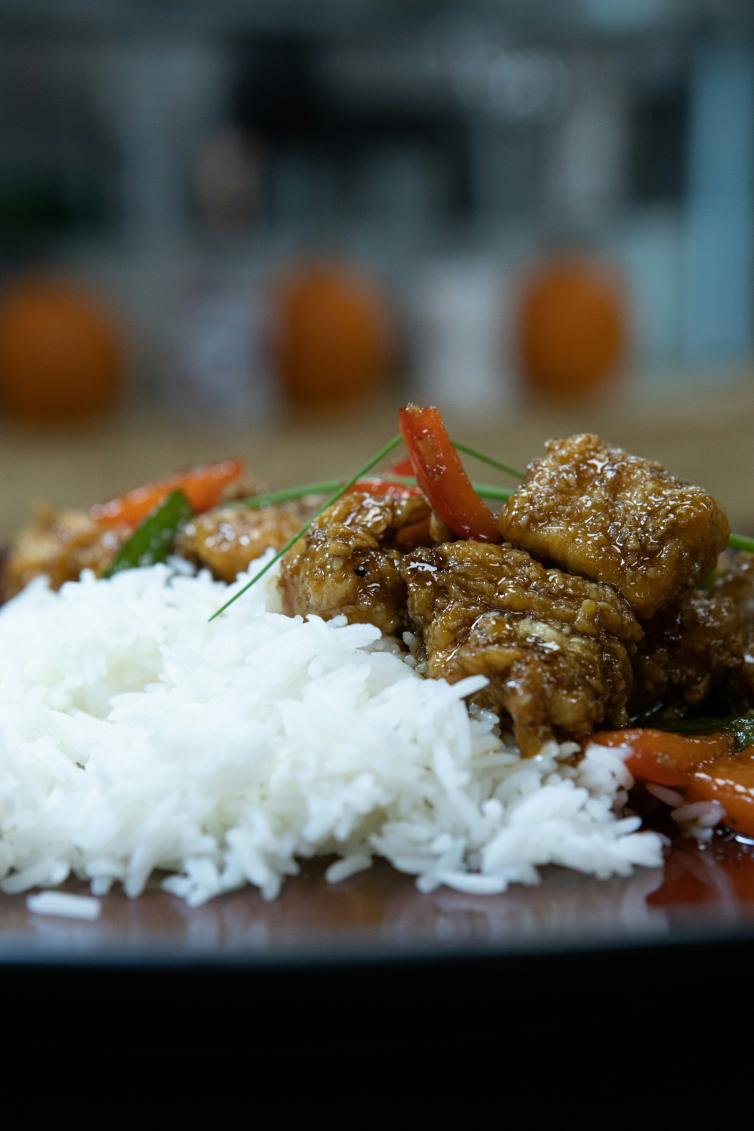
- Heat the rice. Serve the cod on the rice with the pak choi, and scatter over the spring onions and sesame seeds.
Why it works
Cod is one of the leanest proteins there is, so this plate carries 34g of protein for about 430 calories, rice included. The miso does the work that butter or batter usually does, and adds far more flavour.
The reason to eat more white fish that almost nobody mentions is iodine. The thyroid needs it to make its hormones, and fish and dairy are the main sources in the UK diet. A study of about 1,000 pregnant women in Bristol, published in The Lancet in 2013, found that two-thirds had iodine levels below the threshold for adequacy, and their children were more likely to score low on verbal IQ and reading at eight and nine. White fish such as cod is one of the richest sources there is. It matters for anyone cutting down on dairy: many plant milks are not fortified with iodine, so check the label. More on the thyroid in is it your thyroid or your hormones?
Miso is fermented soya, and it is salty. A serving here carries a moderate amount, which is why nothing else in the recipe is salted. Much of the miso on supermarket shelves has been pasteurised, which kills the live cultures, so treat it as flavour rather than as a source of live bacteria.
Pak choi is a brassica, a cousin of broccoli and kale, and brings vitamin C, folate and calcium. Brown rice adds fibre that white rice lacks.
Men who want more omega-3 should know that cod is lean and carries far less of it than oily fish; it complements the salmon and mackerel recipes rather than replacing them. For another quick Japanese-style meal, see the miso, tofu and edamame soup.

.jpeg)