Chicken Liver Pate with Shallots
The most nutrient-dense food on the site, in the only form most people will actually eat it.
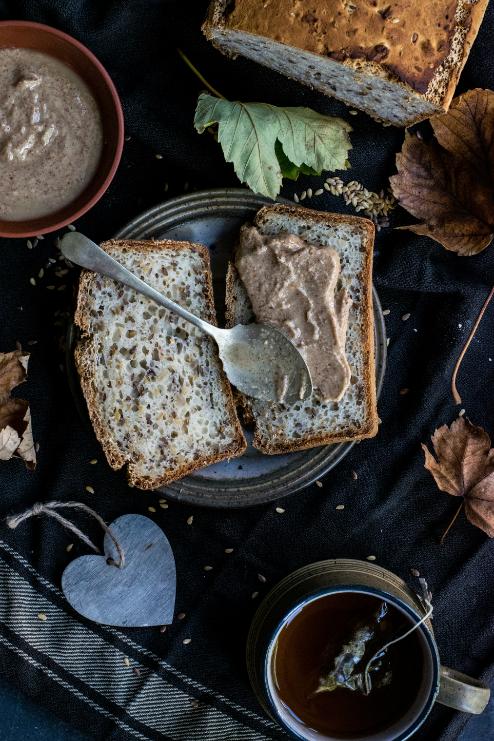
Ingredients
- 250g chicken liver, trimmed
- 2 shallots, finely sliced
- 2 cloves garlic, sliced
- 60g ghee or butter, plus extra to seal
- 2 tbsp brandy or sherry, optional
- 2 sprigs thyme
- Salt and black pepper
- To serve: sourdough, cornichons
Method
- Melt a third of the ghee in a pan. Cook the shallots gently for 6 to 8 minutes until soft and sweet. Add the garlic and thyme for the last minute.
- Turn the heat up. Add the livers and cook for 2 to 3 minutes each side. They should stay slightly pink inside. Overcooked liver turns grainy and bitter, which is why most people think they dislike it.
- Add the brandy if using and let it bubble for 30 seconds.
- Tip everything into a blender with the remaining ghee. Season generously and blend until completely smooth.
- Press into a small dish, smooth the top, and pour over a thin layer of melted ghee to seal.
- Chill for at least two hours. Keeps five days sealed.
Why it works
Nothing else on this site comes close to liver for nutrient density. A single portion covers your vitamin A, B12 and copper requirements several times over, and delivers substantial haem iron, folate and choline.
Haem iron matters specifically. It absorbs far better than the iron in plants, which makes liver one of the most effective foods for a woman with heavy periods and falling ferritin.
The choline deserves a mention because almost nobody talks about it. Most people fall short of adequate intake, and it is involved in liver function and, during pregnancy, in foetal brain development.
The technique point is not incidental. Liver overcooked becomes grainy and develops the metallic bitterness people remember from childhood. Pulled at slightly pink, blended with ghee, it is smooth and mild.
One caution. Liver is extremely high in vitamin A, which accumulates. Once a week is plenty, and pregnant women are advised to avoid it entirely for that reason.
More on nutrient density: foods that support testosterone.