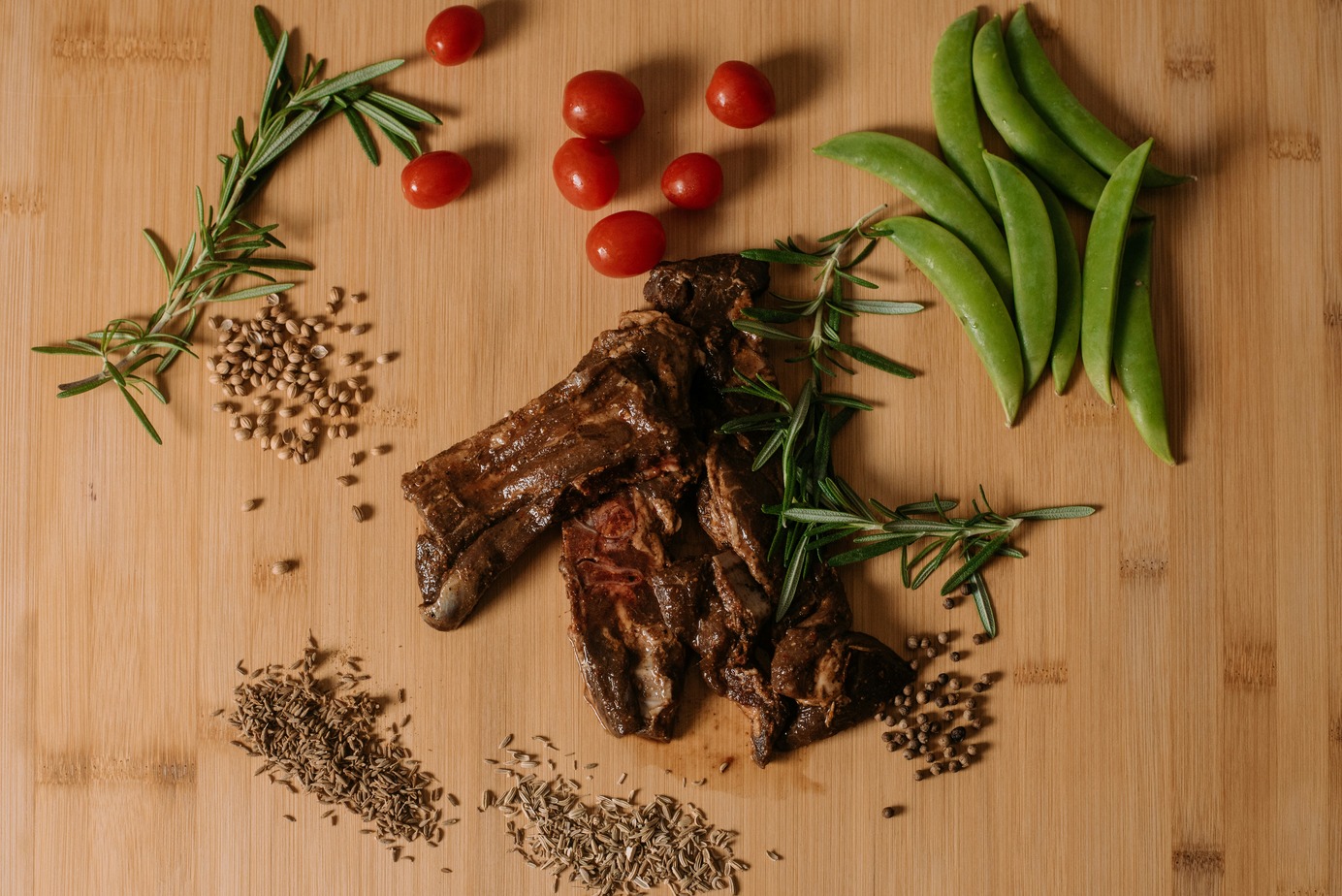
Liver & organ meats
Nature's original multivitamin — extraordinarily dense in vitamin A, B12, iron, copper and zinc, the cofactors hormone production runs on.
At a glance
Why it matters
Long before supplements existed, traditional diets prized organ meats as the most valuable food a hunter could bring home — and modern nutrition shows the instinct was right. Gram for gram, liver is arguably the most nutrient-dense food on earth, packing the fat-soluble vitamins, B vitamins and minerals that act as the cofactors for nearly every hormone pathway. Where many foods on this list nudge one nutrient, liver delivers a broad, concentrated hit of the whole toolkit your endocrine system depends on.
What's inside
The numbers are striking. Vitamin A (~6,500 µg per 100 g) supports reproductive health, immunity and the testes' role in testosterone production. Vitamin B12 (~70 µg — many times a day's need) and folate drive energy and red blood cells. Copper and heme iron (~6.5 mg) support oxygen transport and enzyme function, while zinc feeds testosterone synthesis. Liver is also rich in choline and CoQ10. It is, in the most literal sense, a natural multivitamin.
For men
For men, liver covers several testosterone cofactors at once — zinc, vitamin A and copper all play roles in hormone production, and the iron and B12 restore the energy that low levels sap. It's the kind of food that can make a noticeable difference quickly if you've been quietly deficient. A small portion once or twice a week is all it takes.
For women
Liver is especially valuable for women, who are far more prone to iron and B12 shortfalls. Its highly absorbable heme iron and huge B12 content directly target the fatigue, low mood and brain fog those deficiencies cause. The one caveat is vitamin A: it's so concentrated that women who are pregnant or trying to conceive should limit or avoid liver, since very high vitamin A can harm a developing baby.
How to eat it
A little goes a long way — 50–100 g once or twice a week is plenty, and more than enough to reap the benefits. Pan-fry beef or chicken liver quickly with onions, blend it into a pâté, or hide small amounts in mince-based dishes if the flavour is strong for you. Chicken liver is milder and a good entry point. Soaking liver in milk before cooking softens the taste.
Worth knowing
The very thing that makes liver powerful — its density — is also its limit. The vitamin A is high enough that daily eating can tip into excess, so keep it to once or twice a week. Pregnant women should avoid it for that reason. If you have gout, its purine content is worth moderating. Treated as an occasional powerhouse rather than a daily staple, liver is one of the most rewarding foods here.
Bottom line
Liver is the most nutrient-dense food you can eat — a once-or-twice-a-week powerhouse of the vitamins and minerals hormone production depends on, with the single caveat that pregnant women should skip it.
Related reading: Foods that increase testosterone and, for the B12, vitamin B12.
Educational information, not medical advice. Foods affect people differently — if you have a medical condition, are pregnant or breastfeeding, or take medication, talk to your doctor before making big dietary changes. Some links are affiliate links — if you buy through them we may earn a small commission, at no extra cost to you.