Smoked Mackerel Kedgeree with Eggs and Spinach
A British classic that works as well for dinner as for brunch. Use hot-smoked mackerel, which is already cooked, and fold it in at the end so it stays in flakes instead of turning to paste.
Ingredients
- 250g brown basmati rice
- 200g hot-smoked mackerel fillets, skin removed
- 4 large eggs
- 1 tbsp olive oil
- 1 onion, finely chopped
- 2 tsp mild curry powder (check the label if you avoid gluten)
- 1 tsp ground turmeric
- 150g frozen peas
- 100g baby spinach
- 1 lemon, half juiced, half cut into wedges
- A handful of coriander or parsley, chopped
- 100g fat-free Greek yogurt, to serve
- No salt: the smoked fish brings plenty.
Method
- Cook the rice in plenty of boiling water for 25 minutes, or according to the packet, then drain it well.
- While the rice cooks, lower the eggs into a pan of boiling water and cook them for 7 minutes for a jammy yolk, 9 for a firm one. Move them straight into cold water, then peel and halve them.
- Heat the oil in a large, wide pan over a medium heat and cook the onion for 8 minutes, until soft and golden. Add the curry powder and turmeric and stir for a minute, until they smell toasted. Cooking the spices in the oil is what gives kedgeree its flavour; stirring raw powder into rice tastes dusty.
- Add the drained rice and the frozen peas and stir until every grain is yellow and the peas are hot, about 3 minutes. Stir in the spinach until it just wilts.
- Break the mackerel into large flakes over the rice, add the lemon juice and fold it through gently, two or three turns only, until the fish is warm.
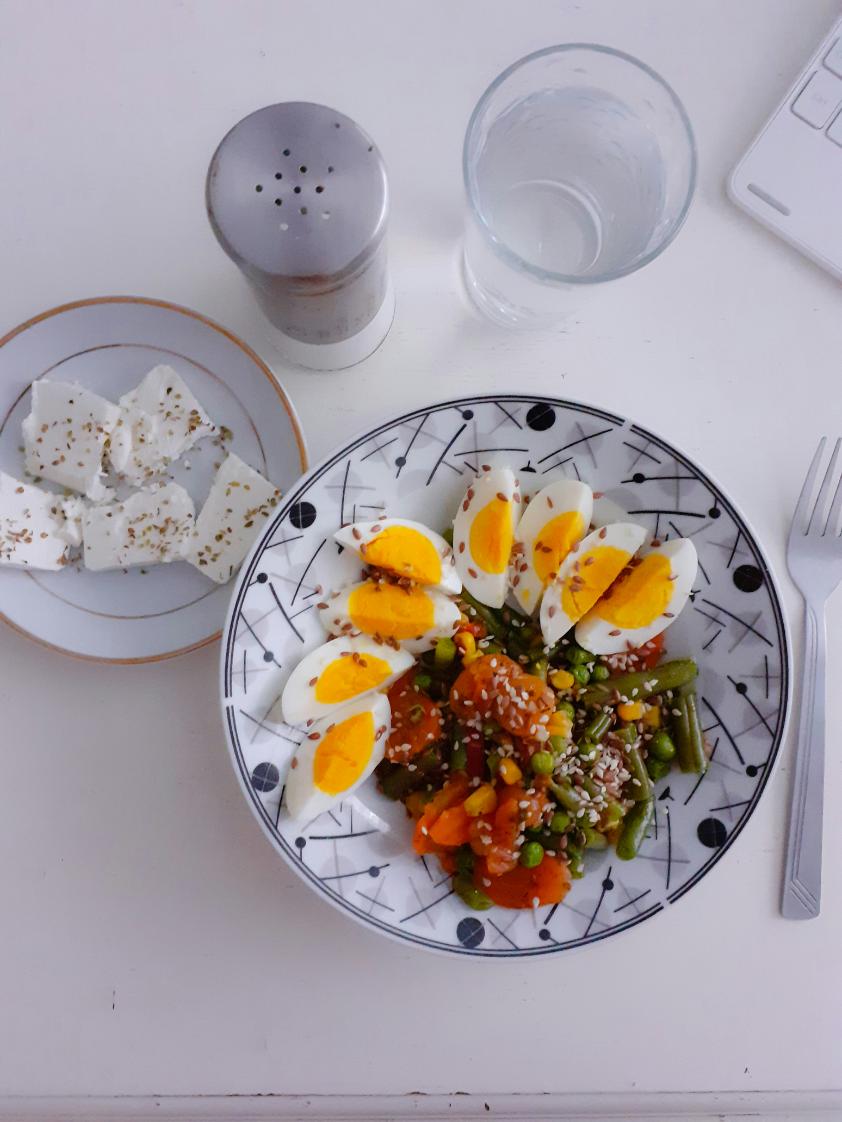
- Top with the eggs and coriander and serve with the yogurt and lemon wedges. Leftovers keep for a day in the fridge; reheat until piping hot all the way through, and only once.
Why it works
Kedgeree is usually made with smoked haddock, white rice and a lot of butter. This version swaps in mackerel, which turns it into one of the easiest ways to eat oily fish, and brown rice and spinach, which add fibre.
The NHS advises two portions of fish a week, one of them oily, and most people in the UK eat less than that. Mackerel is one of the richest sources of the long-chain omega-3 fats EPA and DHA, the forms the body uses directly, unlike the plant omega-3 in seeds. It is also one of the few foods that contain much vitamin D, which matters across the UK from October to March, when the sun is too weak for the skin to make it. Whether vitamin D raises testosterone is a separate and more doubtful question: does vitamin D raise testosterone?
Why the sleep tag, and its limits. In a 2014 trial in a secure hospital in the USA, 95 men who were given Atlantic salmon three times a week from September to February slept better and functioned better during the day than men given chicken, pork or beef. It was one small group of men in an unusual setting, and the result may not carry over to everyone, so treat it as a reason to eat oily fish in the evening rather than a sleep treatment. More in does sleep affect testosterone?
Why there is no salt. Smoked fish is heavily salted in the curing, so a portion of this dish already carries a good share of the day's 6g limit. Taste it before adding any.
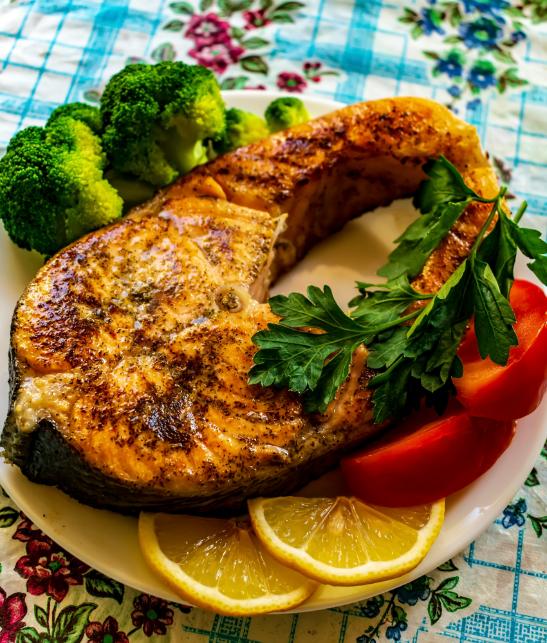
A note for women: the NHS advises girls, women who are planning a pregnancy or may have a child one day, and women who are pregnant or breastfeeding to eat no more than two portions of oily fish a week, because of pollutants that build up in it. For a lighter oily fish dinner, see the salmon traybake.

.jpeg)