Banana Oat Protein Pancakes with Cottage Cheese
Everything goes in the blender, and the protein comes from cottage cheese and eggs rather than a tub of powder. Let the batter rest for five minutes so the oats thicken it, or the pancakes tear when you flip them.
Ingredients
- 80g rolled oats
- 1 ripe banana (about 100g peeled)
- 2 large eggs
- 200g cottage cheese
- 1 tsp baking powder
- Half a tsp ground cinnamon
- 1 tsp oil, for the pan
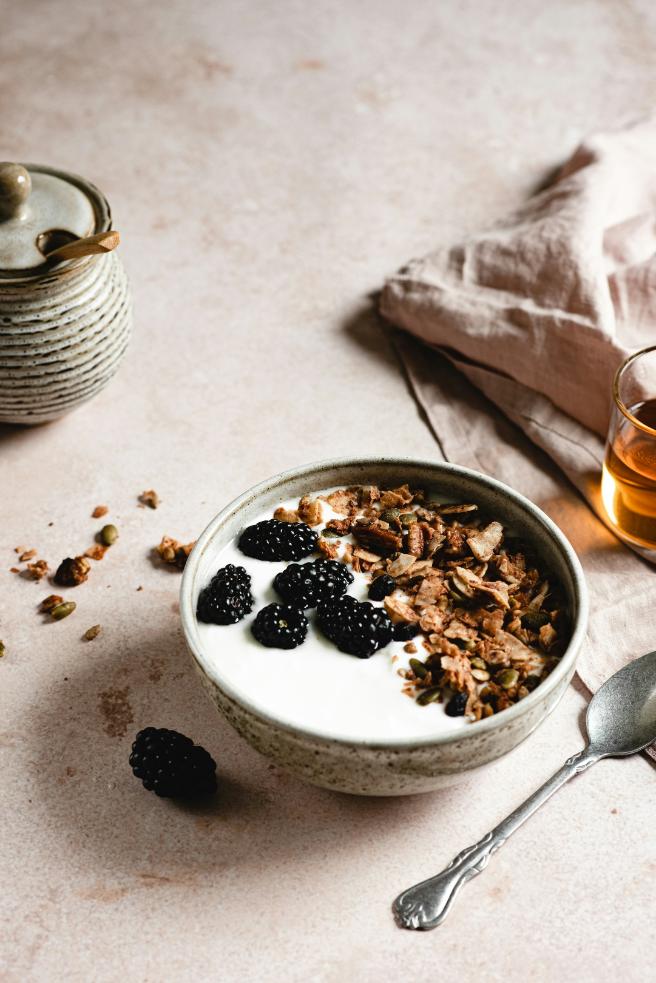
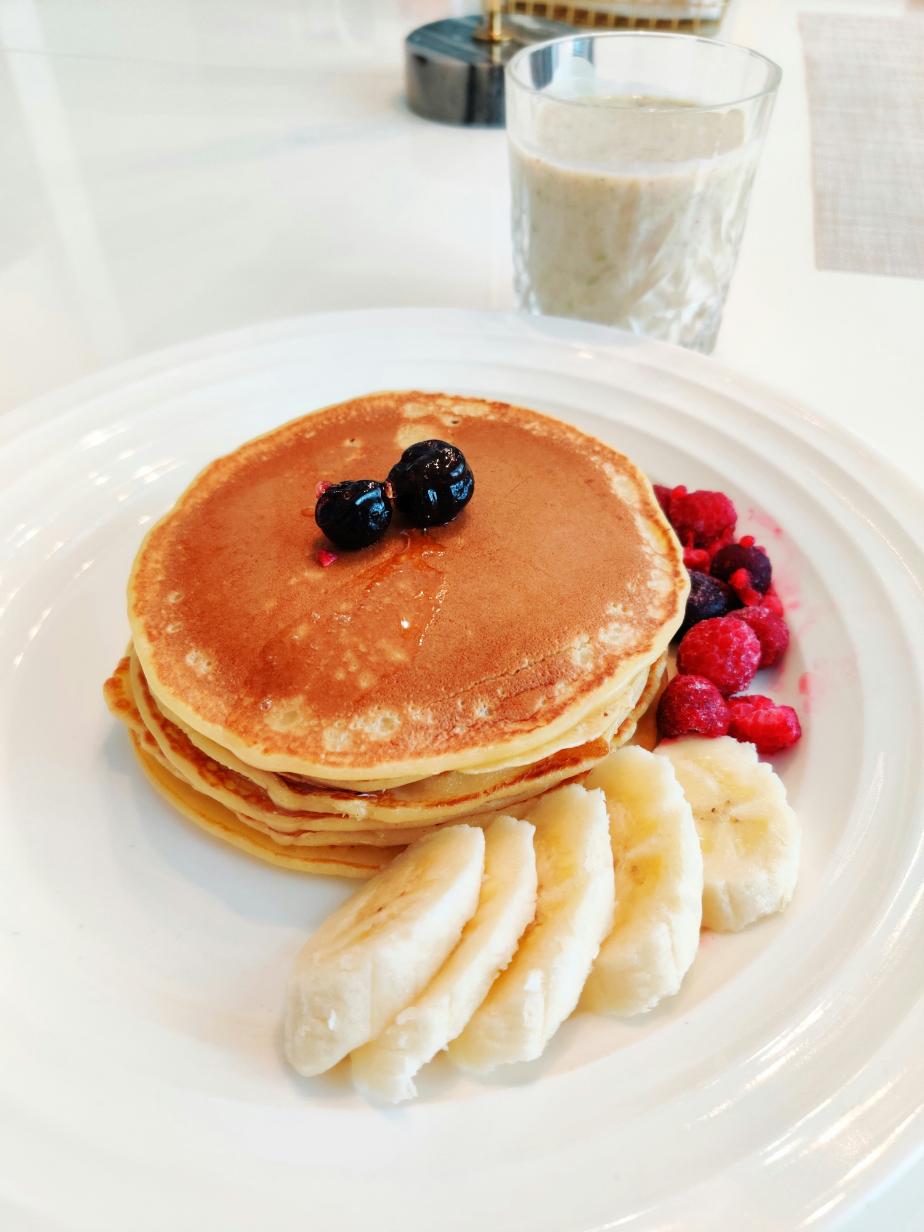
- To serve: 150g fat-free Greek yogurt, 150g blueberries, 2 tsp maple syrup (optional)
Method
- Put the oats, banana, eggs, cottage cheese, baking powder and cinnamon into a blender and blend for about a minute, until completely smooth. No lumps of cottage cheese should be left.
- Leave the batter for five minutes. The oats absorb liquid and thicken it to the consistency of double cream. Pancakes made straight away spread thin and tear when you turn them.
- Heat a non-stick frying pan over a medium heat and wipe it with a little oil. Pour in about 3 tablespoons of batter per pancake, leaving room between them.
- Cook for 2 to 3 minutes, until bubbles appear on the surface and the edges look dry, then flip and cook for another minute. Keep the heat moderate: the banana and the cheese make these brown faster than flour pancakes, so a hot pan burns the outside before the middle sets.
- Keep the first batch warm in a low oven while you cook the rest. You should get 10 to 12 small pancakes.
- Serve with the yogurt, blueberries and a little maple syrup if you like. Cooked pancakes keep for two days in the fridge or a month in the freezer; reheat them in a toaster.
Why it works
Most protein pancake recipes rely on a scoop of whey. This one gets 34g of protein a serving from ordinary food: cottage cheese, eggs, oats and Greek yogurt on top. Blended smooth, the cottage cheese disappears into the batter and makes the pancakes soft rather than rubbery, which is the usual complaint about protein pancakes.
The amount matters more than it looks. Research on muscle suggests it responds best when a meal carries roughly 25 to 30g of protein, and the effect is clearer in older adults, who respond less to smaller doses. A typical British breakfast of toast or cereal often brings under 10g. This is one of the easier ways to reach the higher number before lunch.
For women after menopause, that is part of holding on to muscle as oestrogen falls, alongside strength training. For men, the same muscle is part of the picture in foods that support testosterone. Protein does not raise testosterone on its own, but losing muscle and gaining fat pushes it down.
Not tagged for blood sugar, deliberately. Oats and a banana add up to about 50g of carbohydrate a serving, and maple syrup adds more. The protein and the fibre in the oats slow it down, but if you are watching your glucose, skip the syrup and let the blueberries sweeten it, or choose the spinach and feta egg muffins instead.
The oats are the one thing that stops these being gluten-free. Use oats labelled gluten-free if you need to. For a no-cook version with similar ingredients, see overnight oats with flaxseed.

.jpeg)