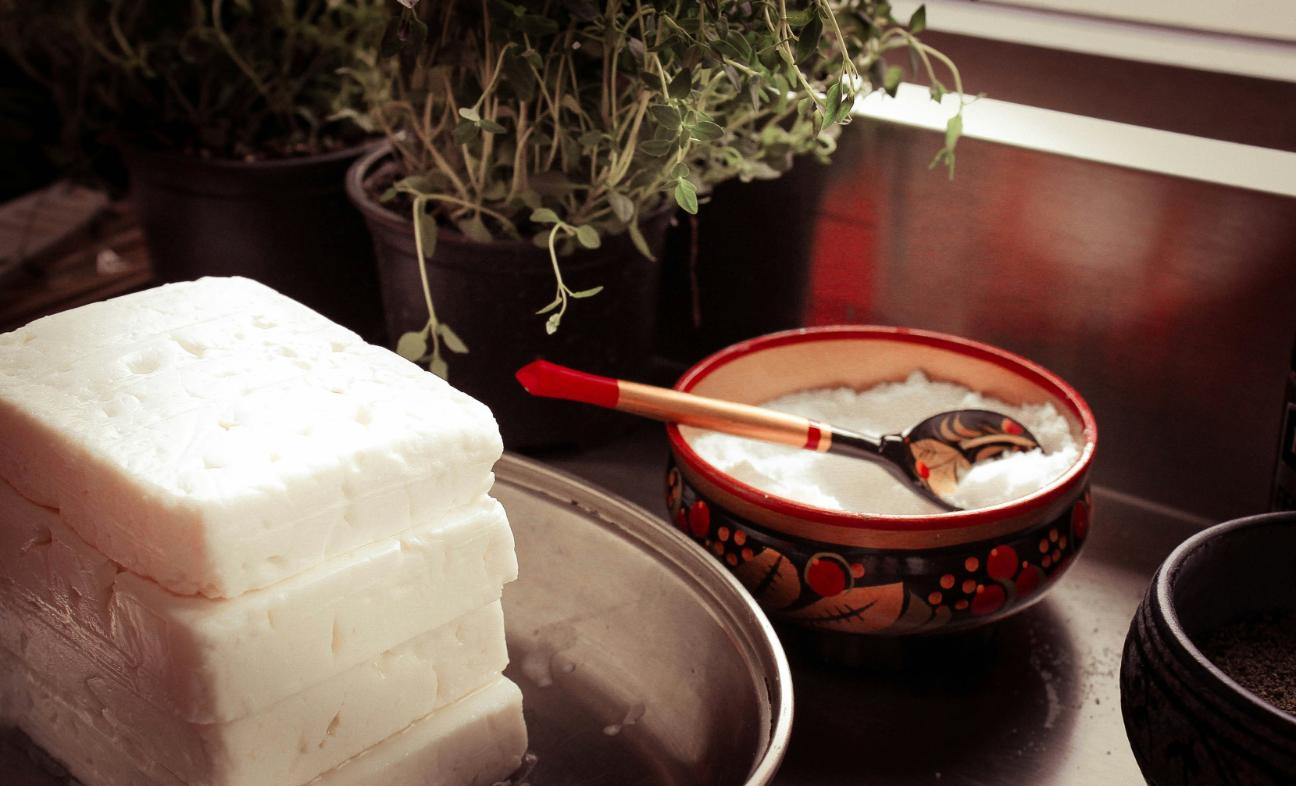
Cottage cheese
A high-protein, calcium-rich dairy food built on slow-digesting casein — quietly ideal for muscle, bone and the steady overnight repair your hormones depend on.
At a glance
Why it matters
The existing library covered fermented dairy — yoghurt and kefir — but left a real gap: a simple, high-protein dairy food, and cottage cheese fills it perfectly. Its distinguishing feature is the type of protein it carries. Cottage cheese is unusually rich in casein, the slow-digesting milk protein that releases amino acids gradually over hours rather than in a quick burst — which is exactly why it has been a staple of physique athletes for generations, particularly as an evening food. That slow overnight supply of amino acids supports muscle repair during sleep, the same window in which the bulk of your testosterone is produced. Pair the protein with a solid calcium hit and, in many brands, added vitamin D, and cottage cheese becomes a quietly excellent everyday support for muscle, bone and hormones alike.
What's inside
The headline is casein protein — around 11–12 g per 100 g — prized for its slow, sustained release of amino acids, ideal for overnight repair and lasting fullness. Calcium (~85–100 mg per 100 g) supports the bone health that hormones, especially falling oestrogen, directly affect, and many products are fortified with vitamin D, the co-factor needed both to absorb that calcium and to support testosterone production. Vitamin B12 and riboflavin drive energy metabolism, selenium protects reproductive tissue and thyroid function, and phosphorus works with calcium in bone. It's a compact, complete little package of the nutrients that underpin a strong, well-recovered body.
For men
For men, cottage cheese is a straightforward muscle-and-recovery food. The slow-release casein makes it a smart choice before bed, feeding the overnight repair and growth that healthy testosterone is meant to drive, and the selenium and (where fortified) vitamin D make a genuine contribution to hormone production. It's high-quality protein without the cost or cooking of meat, which makes it easy to build into a day. For anyone training to build or hold muscle, it's one of the simplest additions there is.
For women
For women, the standout is the calcium-and-vitamin-D combination for bone. As oestrogen falls through perimenopause and menopause, bone density becomes a real priority, and cottage cheese delivers calcium alongside — in fortified versions — the vitamin D needed to absorb it, in one convenient food. The high protein also supports the maintenance of muscle, which protects metabolism and strength through midlife, an area women are too often told not to worry about. It's filling, versatile and gentle on the appetite, which makes it a practical staple rather than a chore.
How to eat it
Cottage cheese is endlessly adaptable, which is its quiet superpower. Eat it savoury — with tomatoes, cucumber, black pepper and olive oil, or piled on wholegrain toast — or sweet, with berries, a little fruit and a scatter of the seeds elsewhere on this page. Blend it into smoothies for a protein boost, use it in place of ricotta in cooking, or have a small bowl in the evening to feed overnight recovery. Choose plain, unsweetened tubs and add your own flavour, rather than pre-sweetened versions.
Worth knowing
The main things to watch are salt and additives: some cottage cheeses are surprisingly high in sodium, and a few carry stabilisers or added sugar, so a quick label check pays off — plainer is better. Full-fat and low-fat versions are both fine; pick by taste and how it fits your day. Those with lactose intolerance may tolerate cottage cheese better than milk, though not always. For nearly everyone, a plain, lower-salt tub is one of the easiest high-protein, bone-friendly foods you can keep in the fridge.
Bottom line
Cottage cheese pairs slow-release casein protein with calcium and, often, added vitamin D — a simple, filling everyday food that supports muscle, bone and the overnight repair your hormones quietly run on.
Related reading: Foods that increase testosterone and fellow protein-rich dairy Greek yogurt.
Educational information, not medical advice. Foods affect people differently — if you have a medical condition, are pregnant or breastfeeding, or take medication, talk to your doctor before making big dietary changes. Some links are affiliate links — if you buy through them we may earn a small commission, at no extra cost to you.