No-Bake Peanut Butter Protein Bars
Homemade protein bars are cheaper than shop-bought ones and you know exactly what is in them. The only trick is the texture: add the milk a spoonful at a time until the mixture just holds together when pressed. Too wet and they never set firm.

Ingredients
- 200g smooth peanut butter (100% peanuts, no added sugar or palm oil)
- 50g runny honey
- 120g porridge oats, blended to a coarse flour
- 100g vanilla or unflavoured protein powder (whey)
- About 70ml milk
- A pinch of salt
- 50g dark chocolate (70% cocoa or more)
Method
- Line a 20cm square tin with baking paper.
- Warm the peanut butter and honey together in a pan over a low heat, or in the microwave for 30 seconds, and stir until smooth.
- In a large bowl, mix the blended oats, protein powder and salt. Pour in the peanut butter mixture and stir well. It will be crumbly.
- Add the milk a tablespoon at a time, mixing with your hands, until it comes together like a firm dough. Stop as soon as it holds when pressed. Protein powders absorb liquid differently, so you may need slightly more or less.
- Press firmly and evenly into the tin with the back of a spoon or the bottom of a glass.
- Melt the chocolate in a bowl over a pan of barely simmering water, or in the microwave in short bursts, and spread thinly over the top.
- Chill for at least 1 hour, until firm, then cut into 12 bars with a hot knife. Keep in the fridge for up to 7 days, or freeze for up to 3 months.
Why it works
Each bar has about 12g of protein and just over 210 calories. Over a fifth of its energy comes from protein, which meets the UK threshold for calling a food "high protein". The protein comes from the whey, peanut butter, oats and milk.
Why homemade is worth it. Many shop-bought protein bars rely on sweeteners, sugar alcohols and long ingredient lists to get their numbers. This has six main ingredients, plus a pinch of salt. Choose a peanut butter made only from peanuts.
The honest part is the calories. Peanut butter is calorie-dense, so at about 210 calories these are a proper snack rather than a light one. One is a sensible portion after training or as an afternoon snack; two would be more than many people need. Most of the fat is unsaturated.
Added sugar. The honey and chocolate add about 4g of sugar a bar, much less than most flapjacks or cereal bars. The NHS advises adults to have no more than 30g of free sugars a day.
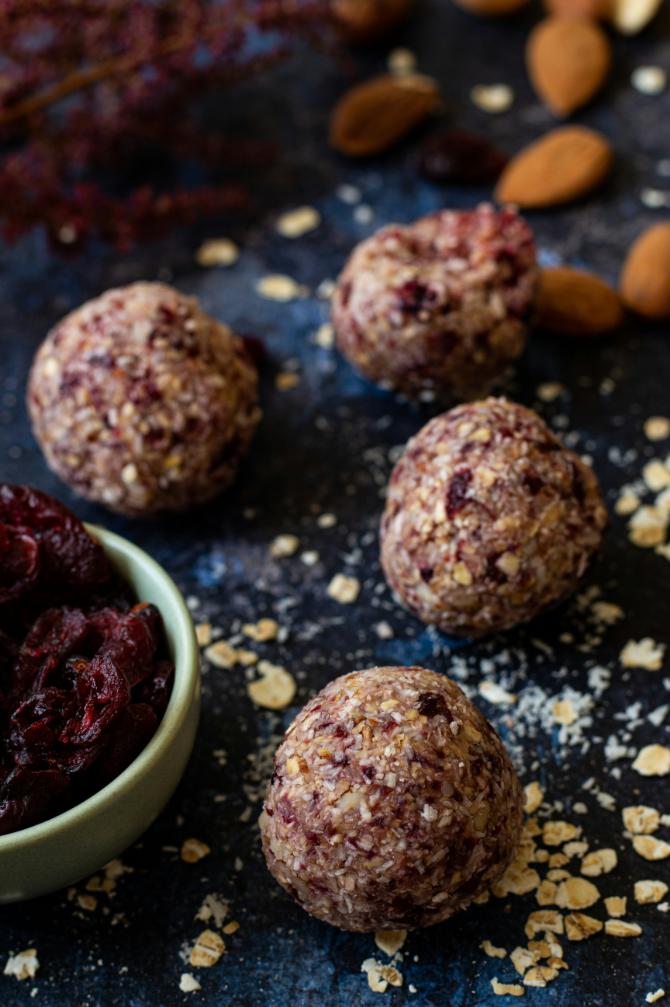
Allergy notes. Contains peanuts and milk. Use oats labelled gluten-free if you need to. For a vegan version, use a vegan protein powder, maple syrup and plant milk; the protein will be slightly lower. Dark chocolate with 70% cocoa or more has less sugar than milk chocolate. For a smaller bite-sized snack, try the date and cacao protein balls.




.jpeg)
.jpeg)









.jpeg)


.jpeg)