Date and Cacao Protein Balls
Fifteen minutes, no oven, and about 19g of protein in three of them — which is what separates a protein ball from the date-and-oat energy bite most recipes actually give you.
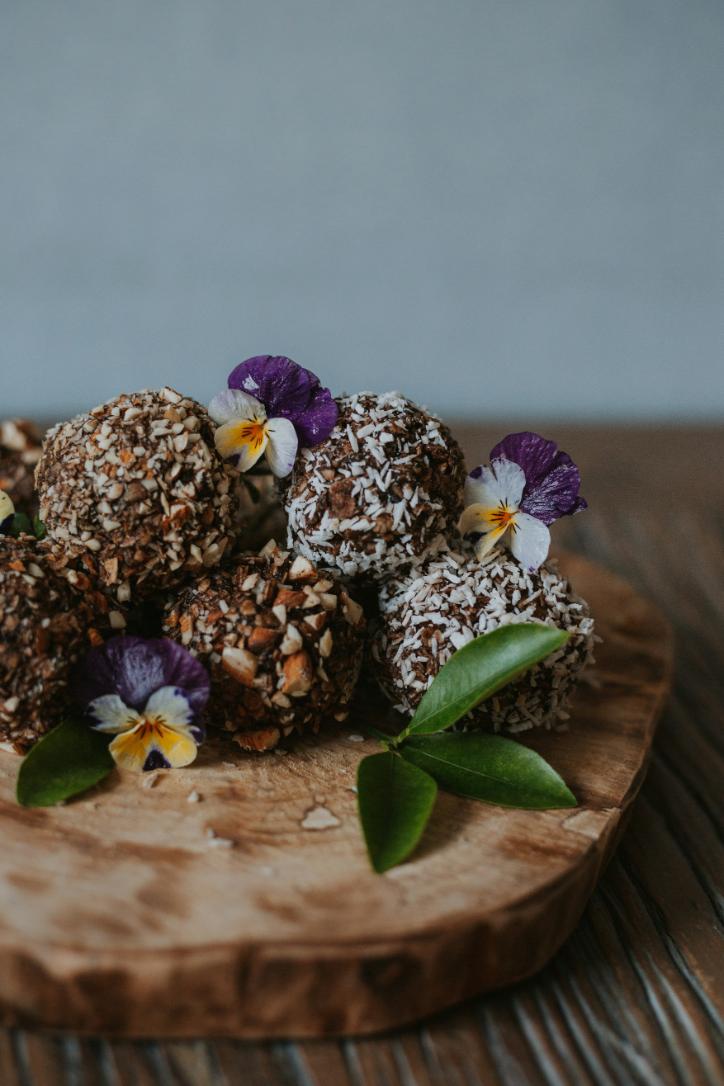
Ingredients
- 150g soft Medjool dates, stoned — about 8
- 100g smooth peanut butter or almond butter, no added sugar or oil
- 60g unflavoured or vanilla protein powder — whey, or pea protein for a vegan version
- 20g raw cacao powder, or unsweetened cocoa
- 30g shelled hemp seeds
- 1 tbsp chia seeds
- Half a tsp ground cinnamon and a pinch of sea salt
- 1 to 3 tbsp water or milk, only as needed
- To roll: extra cacao, desiccated coconut or crushed pumpkin seeds
Method
- Blitz the dates in a food processor until they form a sticky paste that gathers into a ball. If the dates are firm rather than soft, cover them with hot water for ten minutes and drain them well first.
- Add the nut butter, protein powder, cacao, hemp seeds, chia, cinnamon and salt. Pulse until evenly mixed.
- Judge the texture by squeezing, not by looking. Pinch a little: if it holds together without cracking, it is ready. Protein powder absorbs moisture, so most batches need a tablespoon or two of liquid — add it one spoonful at a time, because too much turns the mixture sticky and the balls slump.
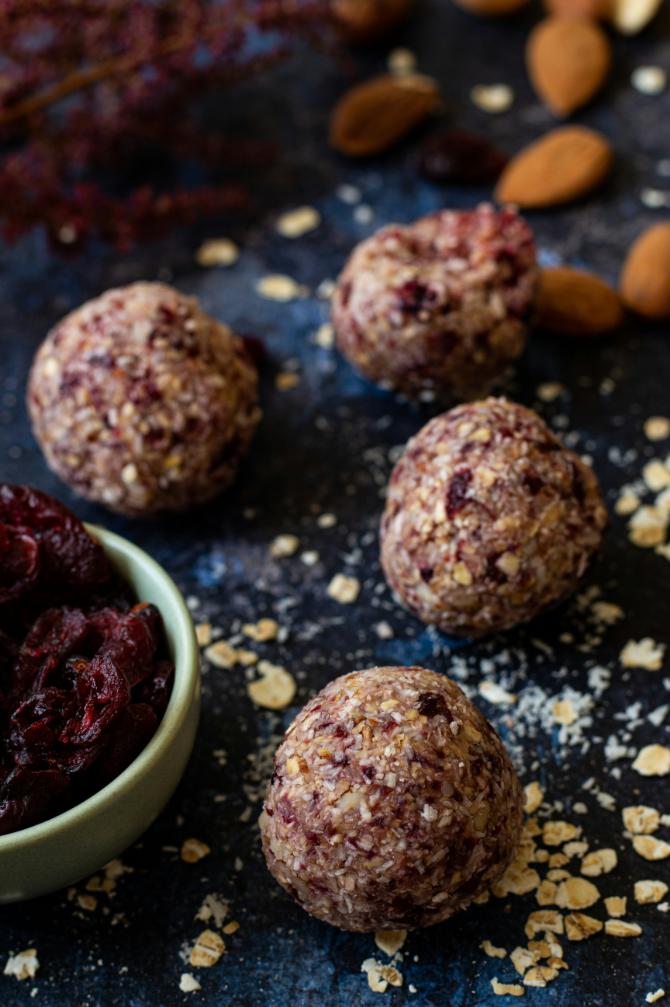
- Roll into 15 balls of about 25g each. Damp hands stop the mixture sticking.
- Roll them in cacao, coconut or crushed pumpkin seeds if you want a finish.
- Chill for 30 minutes before eating. They firm up considerably. They keep for a week in the fridge and three months in the freezer, and they can be eaten straight from frozen.
Why it works
Most recipes called protein balls are energy bites with a new name. Dates, oats and a spoonful of nut butter give a ball of around 3g of protein, and three of them are mostly sugar. The difference here is the protein powder and the hemp seeds: three balls carry about 19g.
That number matters because a snack is only useful if it holds you to the next meal. Protein is the most satiating of the three macronutrients, and pairing it with fat and fibre slows how quickly the sugar in the dates reaches the blood. That is the honest limit of the claim, though: dates are still a concentrated sugar, and three balls contain roughly as much sugar as a large banana. These are a better snack than a biscuit, not a blood-sugar food, which is why this recipe does not carry that tag.
Hemp seeds are the quiet workhorse. They are a complete plant protein, and they are among the better seed sources of magnesium and zinc. Zinc holds an authorised claim for the maintenance of normal testosterone levels in the blood; magnesium holds one for the reduction of tiredness and fatigue. Neither claim means a snack changes anything on its own, but both minerals are commonly short in a British diet.
Chia seeds add soluble fibre and the plant form of omega-3.
For women after menopause, protein spread across the day matters more than it did at thirty: muscle is lost faster once oestrogen falls, and a protein-rich snack is an easy place to add some.
A word on the powder. Choose one with a short ingredient list and no added sugar. Whey gives the smoothest texture; pea protein makes the recipe vegan and needs slightly more liquid.
If you want the lower-protein, oat-based version for children or for a lighter snack: pumpkin seed and oat bites.