Lentil and Mushroom Burgers (Vegan)
Most homemade veggie burgers fall apart because the mushrooms are still wet. Cook them until the pan is completely dry, chill the mixture before shaping, and these burgers hold together in the pan and in the bun.
.jpeg)
Ingredients
- 1 x 400g tin green or brown lentils, drained and rinsed (about 240g drained)
- 250g chestnut mushrooms, finely chopped
- 1 onion, finely chopped
- 2 cloves garlic, crushed
- 50g oats
- 40g walnuts
- 1 tbsp ground flaxseed mixed with 3 tbsp water
- 1 tbsp tomato puree
- 1 tbsp tamari or soy sauce
- 1 tsp smoked paprika
- 2 tbsp olive oil, divided
- To serve: 4 wholemeal buns, 1 ripe avocado, a handful of rocket and 1 large tomato, sliced
Method
- Mix the ground flaxseed with the water and leave it to thicken while you cook.
- Heat 1 tbsp of the oil in a large frying pan over a medium-high heat. Cook the onion for 5 minutes, then add the mushrooms and a pinch of salt.
- Keep cooking, stirring now and then, for 8 to 10 minutes until all the liquid the mushrooms release has evaporated and the pan is dry. This is the step that decides whether the burgers hold together. Add the garlic, paprika and tomato puree for the last minute.
- Blitz the oats and walnuts in a food processor to coarse crumbs.
- Put the lentils in a bowl and mash about half of them with a fork or potato masher, leaving the rest whole for texture. Stir in the mushroom mixture, the oat and walnut crumbs, the flax mixture and the tamari. Season with pepper.
- Chill for 20 minutes, then shape into 4 patties about 2cm thick, pressing them firmly together.
- Heat the remaining oil in a non-stick pan over a medium heat. Cook the burgers for 4 to 5 minutes each side, turning once, gently, until well browned.
- Serve in toasted buns with sliced avocado, rocket and tomato. Uncooked patties freeze well between sheets of baking paper; cook them from frozen for a few extra minutes each side.
Why it works
A serving, bun included, has nearly 12g of fibre. The UK recommends 30g a day, and most adults eat only about 20g, so one lunch closes more than a third of that gap. The fibre comes from the lentils, oats, flaxseed and wholemeal bun, and it is a large part of why this is tagged for blood sugar: it slows how quickly the carbohydrate is absorbed.
The mushrooms do something else. Cooked down, they give a savoury, meaty depth that most bean burgers lack, and the walnuts add richness and a little omega-3 in the form of ALA.
The honest part is protein. Each burger in its bun has about 19g, which is respectable for a plant-based meal but less than a beef burger. You do not need to combine plant proteins at the same meal to use them, as was once believed; eating a variety across the day is enough. To add more, serve with a side of edamame or a spoonful of hummus.
For women around menopause, meals built on legumes, whole grains and nuts support heart health and steady energy: see the best diet for menopause. To make the burgers gluten-free, use certified gluten-free oats, tamari and a gluten-free bun.
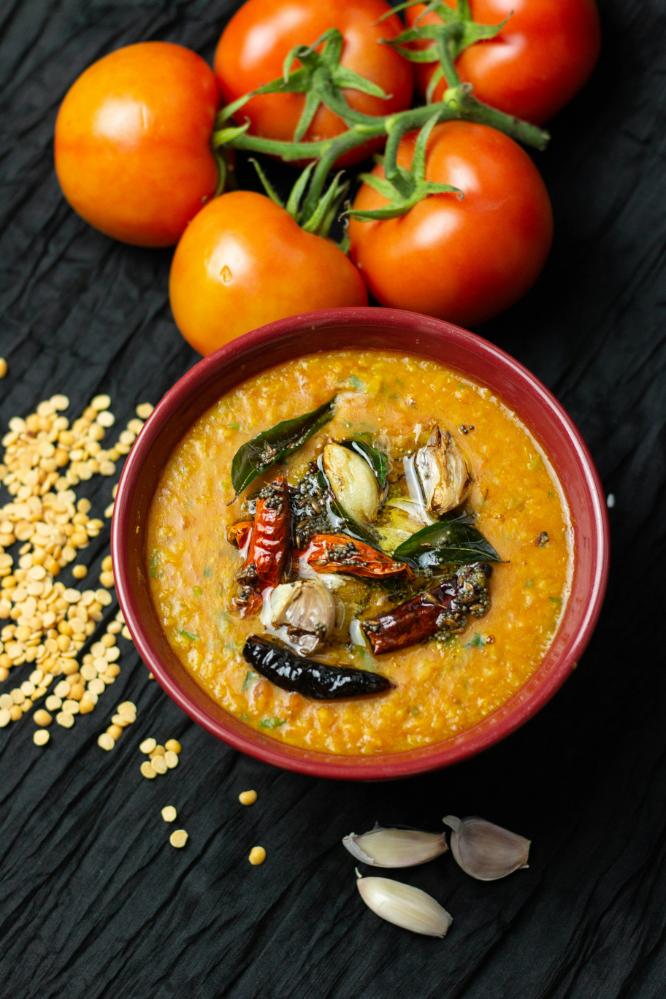
For another lentil dish, try the red lentil dal with spinach.




.jpeg)