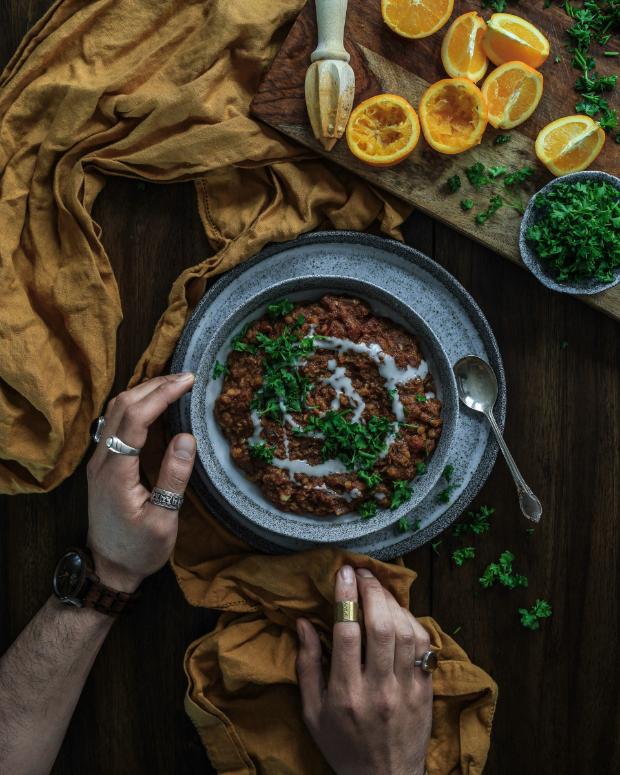
Red Lentil Dal with Spinach and Ginger
Thirty minutes, one pot, costs very little and freezes perfectly. The spices go in at the end, fried in hot oil — that step, called the tadka, is where all the flavour comes from.
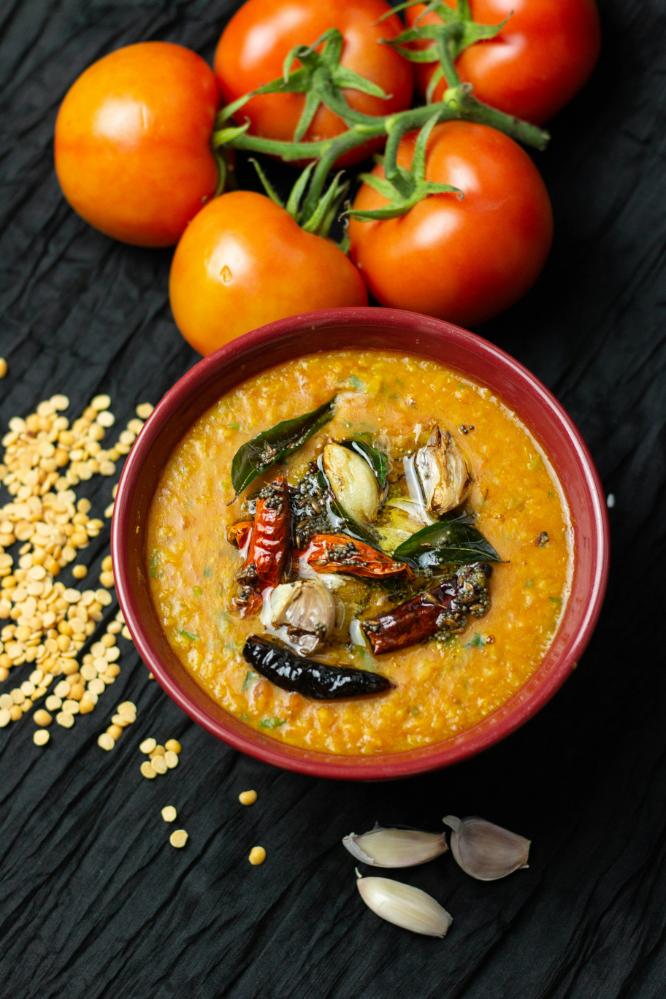
Ingredients
- 300g red lentils, rinsed
- 1 onion, finely chopped
- 3 cloves of garlic, crushed
- A thumb of ginger, grated
- 1 tsp ground turmeric
- 200g chopped tomatoes, tinned is fine
- 200ml light coconut milk
- 150g spinach
- For the tadka: 1 tbsp oil, 1 tsp cumin seeds, half a tsp mustard seeds if you have them, a pinch of chilli flakes
- To serve: 200g brown rice, lemon, coriander
Method
- Start the rice.
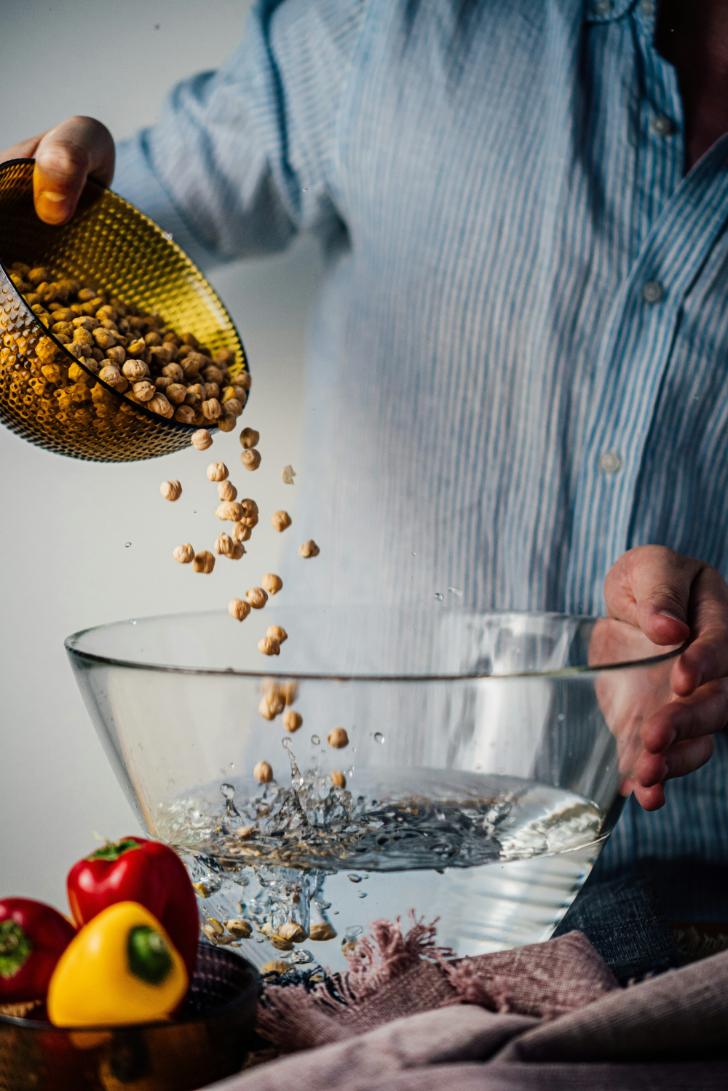
- Rinse the lentils in a sieve until the water runs mostly clear. This removes surface starch and the froth that otherwise boils over.
- In a large pan, soften the onion in a splash of oil for five minutes. Add the garlic, ginger and turmeric and cook for one minute.
- Add the lentils, tomatoes and 800ml water. Simmer for 15 to 18 minutes, stirring now and then, until the lentils have collapsed into a thick purée. Stir in the coconut milk and the spinach until it wilts. Season well with salt.
- Now the tadka. Heat the tablespoon of oil in a small pan until very hot. Add the cumin and mustard seeds; within seconds they will crackle and smell toasted. Add the chilli, then pour the sizzling oil straight over the dal. Whole spices release their flavour into fat, not water, and this is the step that separates dal from lentil soup.
- Squeeze over lemon and serve with the rice and coriander.
Why it works
Lentils are among the cheapest proteins you can buy and among the gentlest on blood sugar, which is an unusual combination in a carbohydrate food.
Lentils are high in fibre and resistant starch, so the glucose they contain arrives slowly. Studies measuring the glycaemic response to pulses consistently find it well below that of rice, bread or potatoes, and eating them also blunts the response to the rice served alongside. A steadier blood-sugar curve matters for hormones: insulin resistance tracks with lower testosterone in men, and it becomes more common as oestrogen falls through menopause.
Lentils also carry folate and non-haem iron. Plant iron is poorly absorbed on its own, which is what the lemon at the end and the tomatoes in the pot are for — vitamin C substantially improves its absorption.
Spinach adds magnesium and more folate. Ginger and garlic are here for flavour first; the health claims made for both in food quantities go well beyond the evidence.
Turmeric deserves the same caution. Curcumin is poorly absorbed from food, and the amounts used in trials are many times what a teaspoon delivers. The tadka helps a little — curcumin is fat-soluble — but treat it as seasoning.
Brown rice rather than white keeps the fibre. Cook it ahead and chill it, and part of its starch becomes resistant starch, lowering the response further.
It freezes for three months, and it is better on the second day.
More: testosterone and diabetes · menopause and diabetes risk.