Kiwi and Kefir Night Bowl with Toasted Pumpkin Seeds
Five minutes, eaten an hour before bed. Kiwi has more human sleep data behind it than any other fruit, and almost nobody knows it.

Ingredients
- 2 ripe kiwi fruit
- 200ml kefir, or Greek yoghurt loosened with a little milk
- 1 tbsp pumpkin seeds
- 1 tsp raw honey, optional
- A pinch of cinnamon
- A few walnuts, roughly broken, if you want it more substantial
Method
- Toast the pumpkin seeds in a dry pan for 2 minutes, until they pop. Let them cool, or they will thin the kefir.
- Peel and slice the kiwis. Or do not peel them — the skin is edible, and rubbing the fuzz off with a tea towel takes ten seconds. It roughly doubles the fibre.
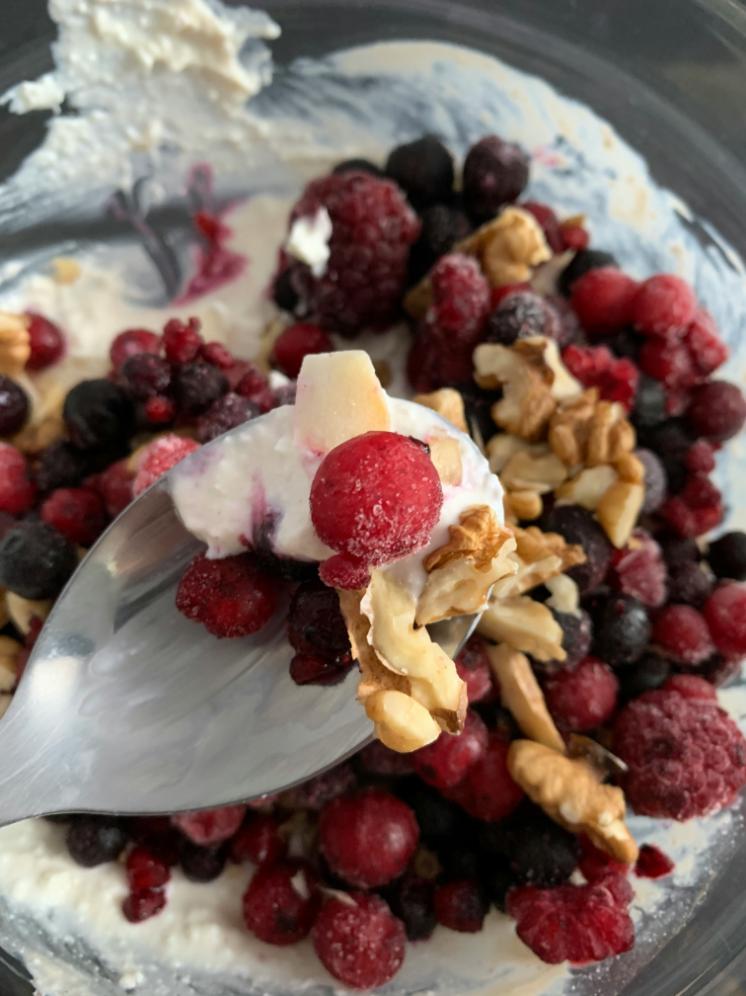
- Pour the kefir into a bowl and lay the kiwi over it.
- Scatter the seeds, the walnuts if using, and the cinnamon. Trickle over the honey.
- Eat it about an hour before bed, which is the timing used in the research this is based on.
Why it works
Kiwi is an odd recommendation until you look at where it comes from.
A small trial in adults with sleep complaints had them eat two kiwi fruit an hour before bed for four weeks and reported shorter time to fall asleep and better sleep efficiency. It was small, it had no placebo arm, and it has not been replicated at scale — so treat it as promising rather than proven. It is still more direct human evidence than most bedtime foods have, and the downside of testing it on yourself is two kiwis.
The proposed mechanisms are serotonin and antioxidant content, though neither is settled. What is not in doubt is the vitamin C and the fibre, particularly if you eat the skin.
Kefir adds protein overnight and live cultures. Protein before bed is not a trick: a slow-digesting protein in the evening supports muscle repair through the night, which is when most repair happens. Kefir is also lower in lactose than milk, since the cultures consume much of it during fermentation.
Pumpkin seeds supply magnesium, which holds an authorised claim for contributing to normal muscle function and to the reduction of tiredness. Magnesium intake is commonly below the reference intake in the UK, and this is an easy place to top it up.
If you are reading this because you are awake at three in the morning rather than because you cannot get to sleep, the cause is usually different: menopause, sleep and hormones.