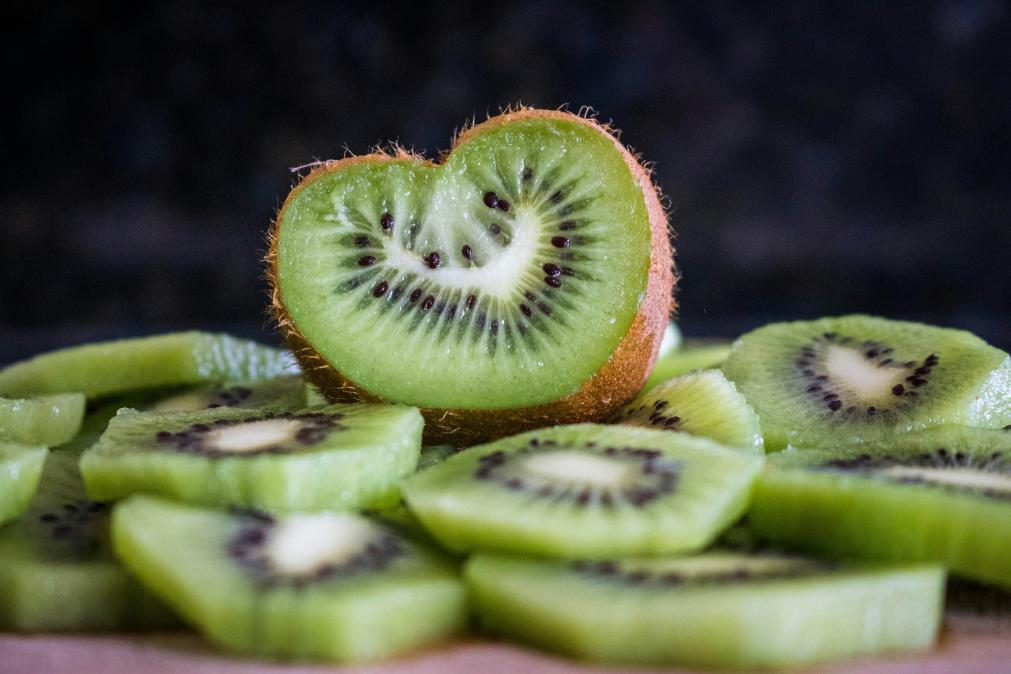
Kiwi
A small fruit with an outsized vitamin C hit and a genuinely intriguing evidence base for better sleep — and since sleep is where most of your testosterone is made, that's a hormone angle worth having.
At a glance
Why it matters
Most fruits earn their place on this list for antioxidants or a specific compound. Kiwi earns two ways. First, it's one of the richest everyday sources of vitamin C, gram for gram out-punching oranges. Second, and more unusually, it has a small but real body of human evidence suggesting that eating it before bed improves sleep — and sleep is arguably the single most powerful lever over your hormones, since the bulk of a man's daily testosterone is produced during deep sleep and women's hormonal balance suffers quickly when sleep is poor. A food that both tops up a key antioxidant and may help you sleep is doing something few others on this page can claim.
What's inside
The headline is vitamin C (~90 mg per 100 g, comfortably over a day's need), a powerful antioxidant that protects reproductive tissue from oxidative stress and supports the adrenal glands that manage the stress hormone cortisol. Kiwi also supplies vitamin K, potassium for blood pressure, folate, and a generous helping of fibre (especially if you eat the skin) that feeds the gut and steadies blood sugar. It naturally contains serotonin and a range of antioxidants, which are the leading candidates for explaining its effect on sleep. For a low-calorie fruit, it's a genuinely well-stocked package.
For men
For men, the most interesting angle is indirect but powerful: if kiwi helps you sleep even a little better, it supports the overnight window in which most of your testosterone is made — and no supplement matches good sleep for hormonal health. The vitamin C is a second, quieter benefit, protecting sperm and the testes from oxidative stress and supporting a healthy stress response. This isn't a food that raises testosterone directly; it's one that props up the two foundations — sleep and antioxidant defence — that let your own production work as it should.
For women
For women, the same sleep and antioxidant benefits apply, and both matter more through perimenopause and menopause, when disrupted sleep is one of the most common and wearing symptoms. Better sleep steadies mood, energy and appetite hormones, and the vitamin C supports the adrenal and antioxidant systems under strain during hormonal transitions. The fibre and folate are useful across the cycle and in the run-up to pregnancy. It's a gentle, whole-food way to support the parts of hormonal health that are easy to overlook.
How to eat it
If you want the sleep angle, the pattern from the research is simple: eat two ripe kiwis about an hour before bed, most nights, for a few weeks to see if it helps you. The skin is edible, a little furry, and roughly doubles the fibre — wash it and eat the fruit whole, or scoop it with a spoon if you prefer. Otherwise, add kiwi to breakfast, yoghurt or a fruit salad for the vitamin C. Choose fruit that yields slightly to a gentle squeeze; hard kiwis will ripen in a few days in a fruit bowl.
Worth knowing
Keep expectations honest: the sleep evidence comes from small studies rather than large trials, so kiwi is a low-risk thing to try rather than a guaranteed fix — but as a cheap, healthy fruit, there's little to lose in testing it. A minority of people are allergic to kiwi (it can cause mouth tingling), and its vitamin K content is worth noting for anyone on blood-thinning medication. For nearly everyone, a couple of kiwis is one of the simplest, most pleasant ways to add vitamin C, fibre and a possible sleep benefit to the day.
Bottom line
Kiwi pairs one of the biggest everyday vitamin C hits with real, if early, evidence for better sleep — and since sleep is where testosterone is made, an evening kiwi habit is a cheap, low-risk hormone hedge.
Related reading: Foods that increase testosterone and, on the sleep link, does magnesium help sleep?
Educational information, not medical advice. Foods affect people differently — if you have a medical condition, are pregnant or breastfeeding, or take medication, talk to your doctor before making big dietary changes. Some links are affiliate links — if you buy through them we may earn a small commission, at no extra cost to you.