Pumpkin Seed and Oat Bites
Twelve bites, no oven, and the one mineral with an authorised claim attached to testosterone.
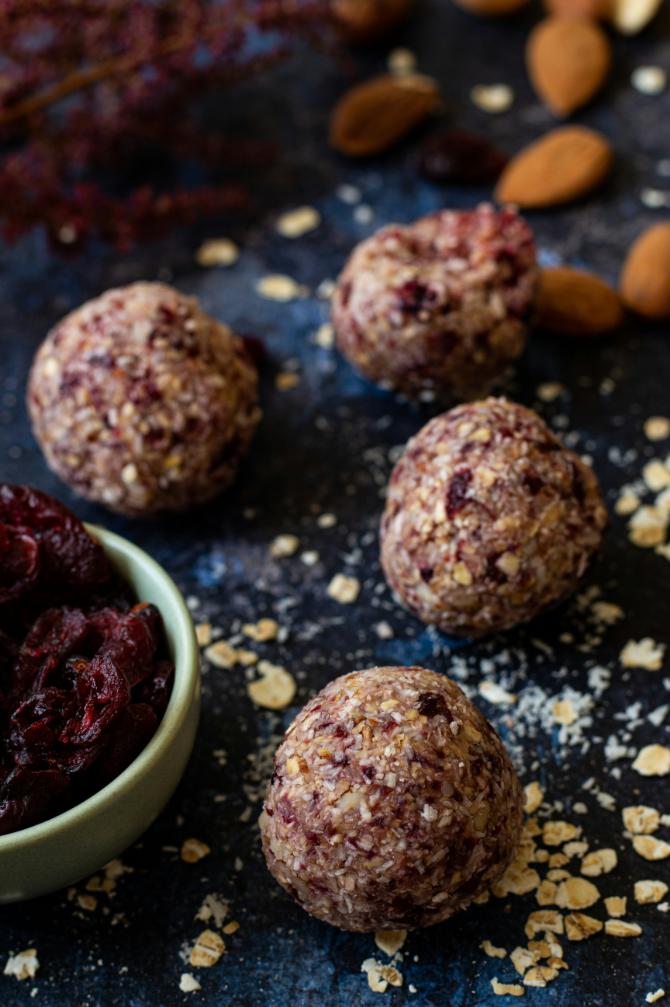
Ingredients
- 120g rolled oats, gluten-free if you need them to be
- 80g pumpkin seeds
- 60g almond butter, no added sugar
- 60g pitted dates, roughly 6
- 2 tbsp raw honey
- 2 tbsp ground flaxseed
- 20g dark chocolate, 85%, chopped
- Half a tsp ground cinnamon
- A pinch of sea salt
- 1 to 2 tbsp water, only if needed
Method
- Toast the pumpkin seeds in a dry pan for 3 to 4 minutes, until they start to pop and smell nutty. Tip them onto a plate to cool. This is the difference between fine and genuinely good, and it costs four minutes.
- Blitz the dates in a food processor to a rough paste. If they are dry and hard, soak them in hot water for ten minutes first and drain them properly.
- Add the oats, half the pumpkin seeds, the flaxseed, cinnamon and salt. Pulse to a coarse crumb. Stop before it becomes a powder or the bites turn pasty.
- Add the almond butter and honey. Pulse until the mixture clumps when you squeeze it in your hand. Add water a teaspoon at a time, and only if it will not hold.
- Tip into a bowl and stir in the remaining pumpkin seeds and the chopped chocolate by hand, so there is still some texture in the finished bite.
- Roll into 12 balls, about a heaped tablespoon each.
- Chill for 30 minutes to firm up.
Keeps a week in the fridge and three months in the freezer. One or two an hour before bed.
Why it works
Pumpkin seeds are among the densest food sources of magnesium there is. Two bites carry roughly 50mg, about a sixth of an adult man's daily reference intake, and the evidence linking magnesium intake to sleep quality is consistent even if the effect sizes are modest. It is worth being precise about what is and is not established here: the authorised claim for magnesium is that it contributes to a reduction of tiredness and fatigue and to normal psychological function. Sleep itself does not have an authorised claim attached.
The zinc is a contribution rather than a dose, and it deserves the same honesty. Eighty grams of pumpkin seeds carries around 6mg, so two bites give you about 1mg against a 9.5mg reference intake for men. That is useful alongside meals that carry more of it, not a substitute for them. The evidence on zinc is clear that correcting a shortfall is what helps, and that topping up an adequate intake does nothing.
The oats are there for a specific reason, not as filler. Carbohydrate eaten in the evening raises insulin, insulin clears competing amino acids from the bloodstream, and tryptophan then has less competition crossing into the brain, where it becomes serotonin and then melatonin. The mechanism is well described. The effect in real people is real and small, which is the accurate way to describe most single-food sleep interventions.
Why sleep earns its place on a hormone site at all: testosterone is largely produced during sleep, and short or fragmented sleep lowers it measurably within a week in healthy young men. If your sleep is broken by snoring or breathing pauses rather than by habit, no snack will touch it, and sleep apnoea and testosterone is the more useful read. For women, the perimenopausal version has its own causes, set out in menopause and sleep.
These are not a health food and it would be dishonest to sell them as one. The dates and honey are sugar, and each bite carries around 14g of carbohydrate. What they are is a portioned, fibre-and-protein-bearing version of the thing you would otherwise eat standing at the cupboard at ten o'clock. That is a genuine improvement, and a smaller claim than most recipes of this kind make.