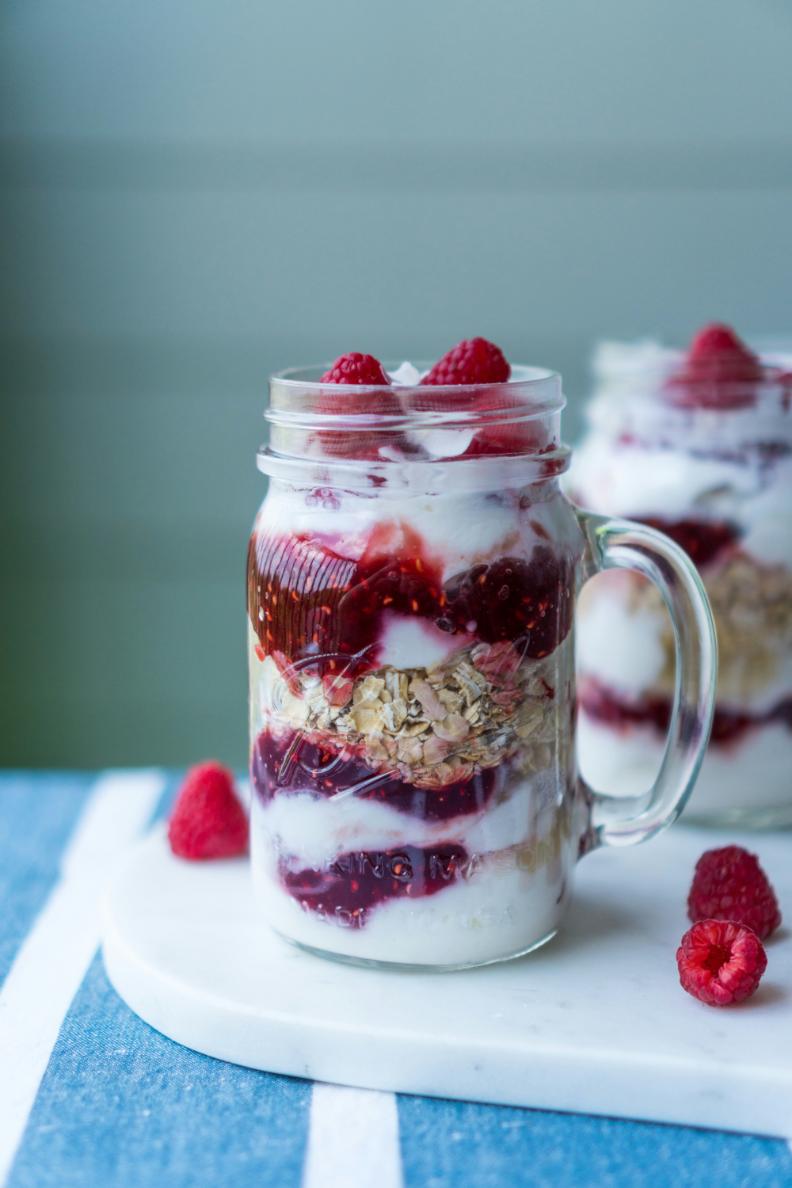
Cottage Cheese with Pomegranate, Walnuts and Honey
Four minutes, 26g of protein, and the reason it is worth eating in the evening rather than the morning: the protein in it digests slowly enough to last the night.

Ingredients
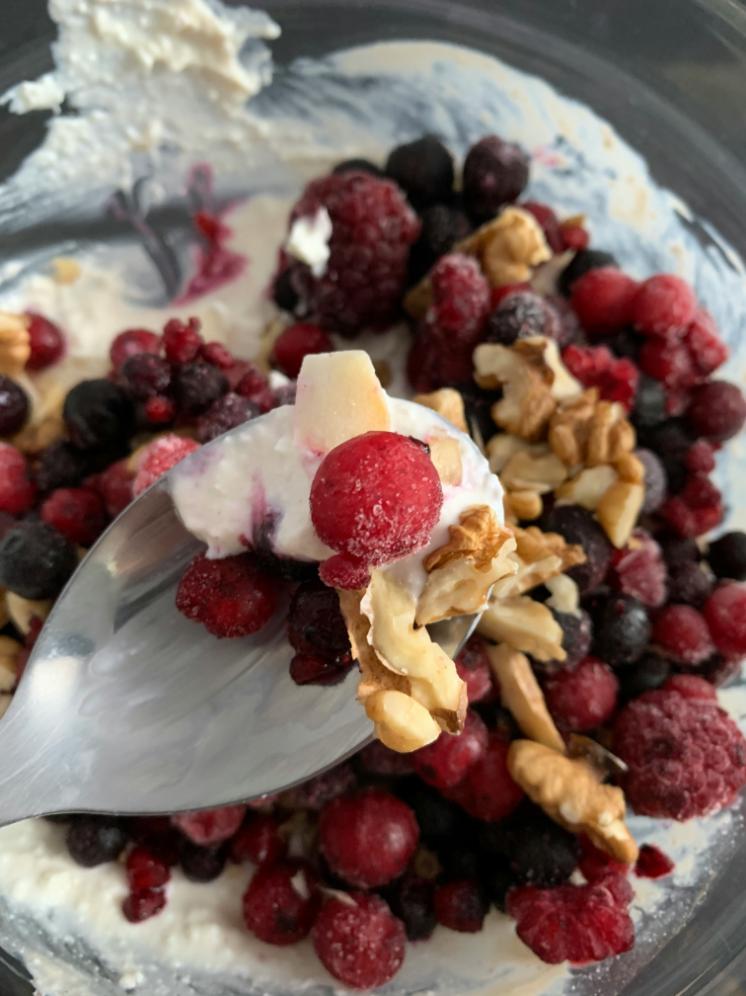
- 200g cottage cheese, full fat rather than diet
- Half a pomegranate, about 60g of seeds
- A small handful of walnuts, roughly broken
- 1 tsp raw honey
- A pinch of cinnamon
- Black pepper, if you want it savoury instead
Method
- Halve the pomegranate across the middle, not through the stem. Hold one half cut side down over a bowl and hit the skin firmly with a wooden spoon. The seeds drop out in seconds. Picking them out by hand takes ten minutes and stains everything.
- Toast the walnuts in a dry pan for two minutes if you have the pan out. Worth it; not essential.
- Spoon the cottage cheese into a bowl and loosen it with a fork if it is very thick.
- Top with the pomegranate and walnuts, trickle over the honey and dust with cinnamon.
- Eat it an hour or two before bed rather than straight after dinner.
Why it works
Cottage cheese has a specific advantage over yoghurt in the evening, and it comes down to which protein it is.
Cottage cheese is mostly casein, which clots in the stomach and releases amino acids slowly over several hours — the opposite of whey, which arrives fast and is gone. Trials of casein before sleep in people doing resistance training report improved overnight muscle protein synthesis. That is a narrow finding about trained people, not a promise about body composition, but the mechanism is sound and 26g of protein for 370 calories is a good trade whatever else is true.
It is also a meaningful source of calcium, which matters most after menopause when bone loss accelerates.
Pomegranate is high in polyphenols, and small trials have looked at pomegranate juice and testosterone with results that are interesting and thin — one often-quoted study was small, uncontrolled and used juice rather than seeds. The seeds are worth eating for the fibre and the polyphenols; they are not a testosterone intervention, and anyone selling them as one is ahead of the evidence.
Walnuts add magnesium and the plant form of omega-3. Magnesium holds an authorised claim for contributing to normal muscle function and the reduction of tiredness, and it is the mineral most often low in a British diet.
Buy full fat. The diet versions replace the fat with water and thickeners, and the fat is part of what makes it filling.