Buckwheat Bowl with Roast Beetroot
Buckwheat is neither wheat nor a grain, and it carries more magnesium than almost anything else in the cupboard.
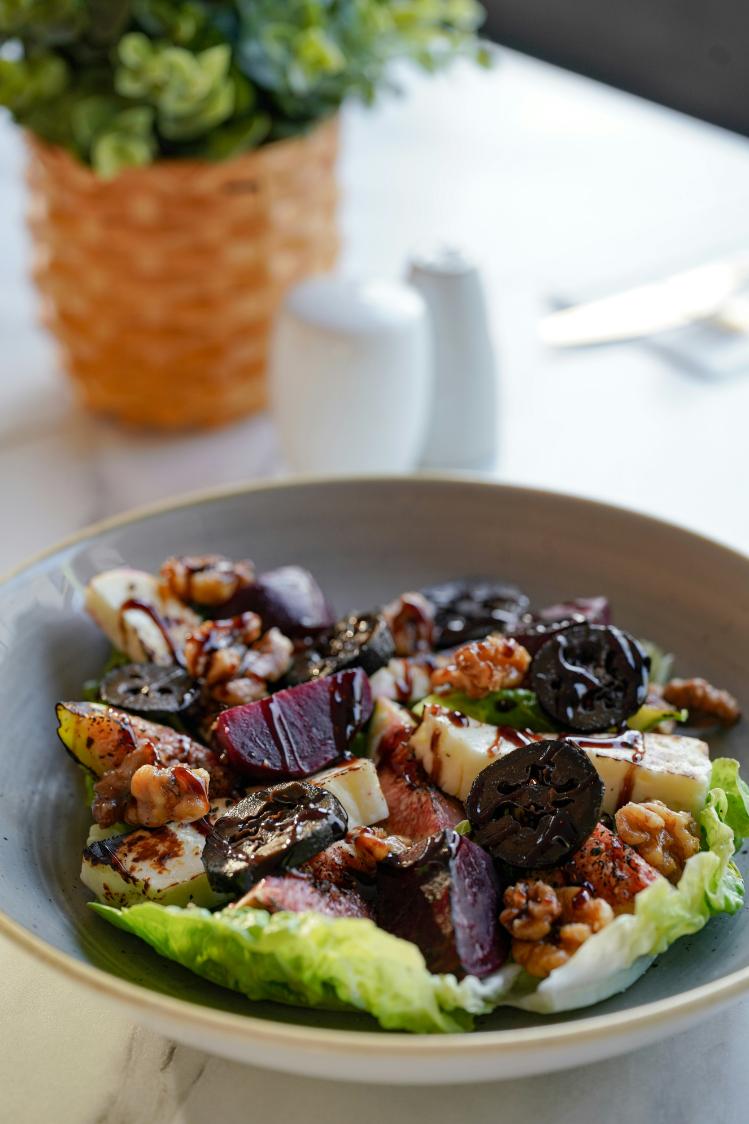
Ingredients
- 150g buckwheat groats
- 2 beets, peeled and cut into wedges
- 2 tbsp extra-virgin olive oil
- 1 tbsp pumpkin seeds
- 60g feta or goat's cheese
- Handful of watercress or rocket
- Juice of half a lemon
- 1 tsp wholegrain mustard
- Salt and black pepper
Method
- Heat the oven to 200C fan. Toss the beetroot wedges with half the oil and salt, and roast for 30 to 35 minutes until tender at the edges.
- Meanwhile, toast the buckwheat dry in a pan for two minutes until it smells nutty. This step is what separates good buckwheat from bland buckwheat.
- Add 300ml water and a pinch of salt. Bring to a boil, cover, and simmer for 12 to 15 minutes until tender. Drain any excess and leave to steam with the lid on for five minutes.
- Whisk the remaining oil, lemon juice and mustard with salt and pepper.
- Toss the buckwheat with the dressing while still warm, so it absorbs.
- Top with the roast beetroot, crumbled cheese, pumpkin seeds and watercress.
Good hot, better the next day cold.
Why it works
Two things make this more than a grain bowl.
Buckwheat carries around 231mg of magnesium per 100g, which is substantial, and magnesium is one of only two minerals with reasonably consistent evidence linking status to testosterone. Most people in Britain fall short of the recommended intake.
It also has a complete amino acid profile, which is unusual in a plant food, and a lower glycaemic index than rice or refined wheat. Steadier glucose means less insulin, and insulin resistance is one of the most reliable ways to suppress testosterone over years.
Beetroot brings dietary nitrate, which converts to nitric oxide and relaxes blood vessels. The evidence for modest blood pressure reduction is reasonable; the claims about erections go beyond the data, and it is worth saying so.
Pumpkin seeds add zinc, which is required for testosterone synthesis and which correcting a shortfall genuinely helps.
Cooking and cooling the buckwheat increases resistant starch, so the leftovers are, in one specific sense, better for you than the original meal.
More on the glucose side: menopause and diabetes risk.