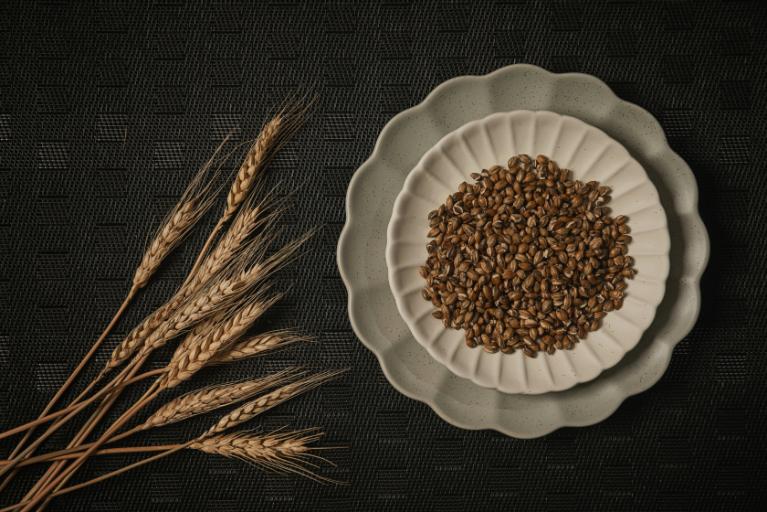
Buckwheat
A top whole-food magnesium source with complete protein and a gentler glucose curve than rice.
At a glance
Why it matters
Buckwheat is not wheat, and it is not a grain. It is the seed of a plant related to rhubarb, which is why it contains no gluten despite the name.
It earns a place here for one reason above the others: magnesium. Magnesium is one of only two minerals with reasonably consistent evidence linking status to testosterone, and most people in Britain fall short of the recommended intake. Buckwheat is among the better whole-food sources.
What's inside
Around 231 mg of magnesium per 100 g of raw groats, which is a substantial proportion of a day's requirement. You also get rutin, a flavonoid that strengthens blood vessels and is unusual in food, plus manganese, copper, fibre and resistant starch when cooked and cooled.
The protein is worth noting separately. Buckwheat contains all nine essential amino acids in useful proportions, which is rare in a plant food and unusual among things people treat as grains.
For men
Magnesium supports testosterone in men who are deficient, and the effect appears larger in those who train, because sweat losses add up. Correcting a shortfall helps; taking more once sufficient does not.
The glycaemic angle matters as much. Buckwheat has a lower glycaemic index than white rice or refined wheat, and steadier blood glucose means less insulin. Insulin resistance is one of the most reliable ways to suppress testosterone over time, so what you use as your default carbohydrate compounds over years.
The complete amino acid profile also makes it more useful than most carbohydrates for anyone trying to hit a protein target without eating meat at every meal.
For women
Magnesium is relevant across several symptoms women describe. It supports sleep quality, has some evidence for premenstrual symptoms, and is involved in muscle relaxation, which is why it appears in discussions of period pain and cramping.
Rutin is the less obvious benefit. It strengthens capillary walls, and there is some interest in it for the vascular changes and easy bruising some women notice through midlife.
And for anyone with coeliac disease or gluten sensitivity, buckwheat widens a narrow field. Gluten-free products are often refined and low in fibre; buckwheat is neither.
How to eat it
Whole groats cook like rice in about fifteen minutes, two parts water to one part buckwheat. Toasting them dry in the pan first, which produces what is sold as kasha, improves the flavour considerably.
Buckwheat flour makes pancakes, blinis and Breton galettes. Soba noodles are made from it, though most supermarket soba is mostly wheat — check the label for 100 per cent buckwheat if that matters to you.
Cooking and cooling increases resistant starch, which feeds gut bacteria. Buckwheat salad the next day is genuinely better for you than the same food eaten hot.
Worth knowing
Two things.
Allergy. Buckwheat allergy is uncommon but real, and more prevalent in countries where it is eaten frequently. Reactions can be significant.
Labels. Products described as buckwheat are frequently mostly wheat, particularly noodles and flour blends. If you are avoiding gluten, read the ingredients rather than the front of the packet.
Beyond those, there is very little to argue with. It is inexpensive, keeps well, and cooks quickly.
Bottom line
One of the best whole-food magnesium sources, with a complete amino acid profile and a gentler glucose curve than rice — and it is neither wheat nor a grain.
Related reading: Does magnesium help you sleep? and does sugar lower testosterone?
Educational information, not medical advice. Foods affect people differently — if you have a medical condition, are pregnant or breastfeeding, or take medication, talk to your doctor before making big dietary changes. Some links are affiliate links — if you buy through them we may earn a small commission, at no extra cost to you.