Korean-Style Beef Bibimbap Bowl with Brown Rice
A colourful Korean rice bowl with garlicky beef, sesame vegetables, a fried egg and a spicy gochujang sauce. It looks like a lot of parts, but everything except the rice cooks in one pan, one after another.

Ingredients
- For the beef
- 300g/10½oz lean sirloin steak, fat trimmed, very thinly sliced
- 2 tbsp (30ml) tamari or soy sauce (tamari labelled gluten-free if needed)
- 2 cloves garlic (about 8g), crushed
- 2 tsp (about 10g) runny honey
- 1 tsp toasted sesame oil (of the 1 tbsp below)
- For the bowls
- 240g/8½oz/1¼ cups brown rice, plus 1 tsp salt for the water
- 200g/7oz baby spinach
- 2 medium carrots (about 150g/5oz), cut into matchsticks
- 1 medium courgette (zucchini, about 200g/7oz), cut into matchsticks
- 200g/7oz mushrooms, such as shiitake or chestnut (cremini), sliced
- 1 tbsp toasted sesame oil in total (1 tsp for the beef, 2 tsp for the vegetables)
- 2 tsp neutral oil, for frying the eggs and beef
- 4 medium eggs
- A pinch of salt for the vegetables
- For the sauce and to serve
- 2 tbsp (about 40g) gochujang (Korean chilli paste; check the label, as many contain wheat)
- 1 tbsp rice vinegar and 1 tbsp water
- 1 tbsp (about 8g) sesame seeds, toasted
- 3 spring onions (scallions, about 30g/1oz), thinly sliced
Method
- Rinse the rice and cook it in a large pan of boiling water with the 1 tsp salt for 30 to 35 minutes, until tender. Drain and keep covered.
- Meanwhile, mix the beef with the tamari, garlic, honey and 1 tsp of the sesame oil, and leave to marinate while you prepare the vegetables. Mix the gochujang, rice vinegar and water to make the sauce.
- Heat 1 tsp of the sesame oil in a large frying pan or wok over a medium-high heat. Stir-fry the carrots for 2 minutes and the courgette for 2 minutes more, with a pinch of salt, then tip into a bowl. Add the remaining sesame oil and the mushrooms and cook for 4 minutes until golden; set aside. Add the spinach with a splash of water and stir for 1 minute, until just wilted; squeeze out any excess liquid.
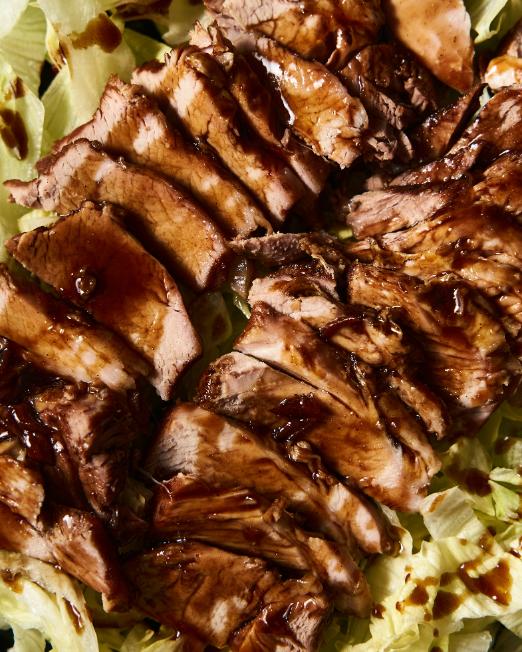
- Turn the heat to high, add 1 tsp of the neutral oil and stir-fry the beef with its marinade for 2 to 3 minutes, until browned all over and the thin slices are cooked through. Set aside.
- Wipe the pan, add the remaining neutral oil over a medium heat and fry the eggs for 3 to 4 minutes, until the whites are completely set. In the UK, eggs with runny yolks are considered safe for pregnant women, young children and older people only if they are British Lion eggs (outside the UK, use pasteurized eggs); otherwise cook until the yolks are firm.
- Divide the rice between 4 bowls. Arrange the beef, carrot, courgette, mushrooms and spinach in sections on top, then add an egg to each bowl. Sprinkle with sesame seeds and spring onions and serve with the gochujang sauce to stir through.
- To keep leftover rice safe, cool it within an hour, keep it in the fridge and eat it within 24 hours, reheating it only once until steaming hot. The beef and vegetables keep in the fridge for up to 2 days; fry fresh eggs when serving.
Why it works
A bowl has about 33g of protein and 540 calories, including the brown rice and egg. The protein comes from the beef, the egg and the rice, and four different vegetables make up a large share of the bowl.
The beef portion is deliberate. 300g of raw steak shared between four is about 55g cooked each, within the NHS advice for anyone eating a lot of red meat to keep to around 70g cooked a day. The vegetables, egg and rice do the rest of the work, so the bowl still feels generous.
Why brown rice. Traditional bibimbap uses white rice. Brown rice keeps the bran, so it has more fibre and a nuttier flavour that suits the sesame and gochujang. With about 59g of carbohydrate a bowl, it is not tagged for blood sugar; use less rice and more vegetables if that matters to you.
Salt and gluten. Tamari and gochujang are both salty, so no extra salt is added to the beef. Most gochujang contains wheat, so this dish is not marked gluten-free; a few brands are made without it and say so on the label.
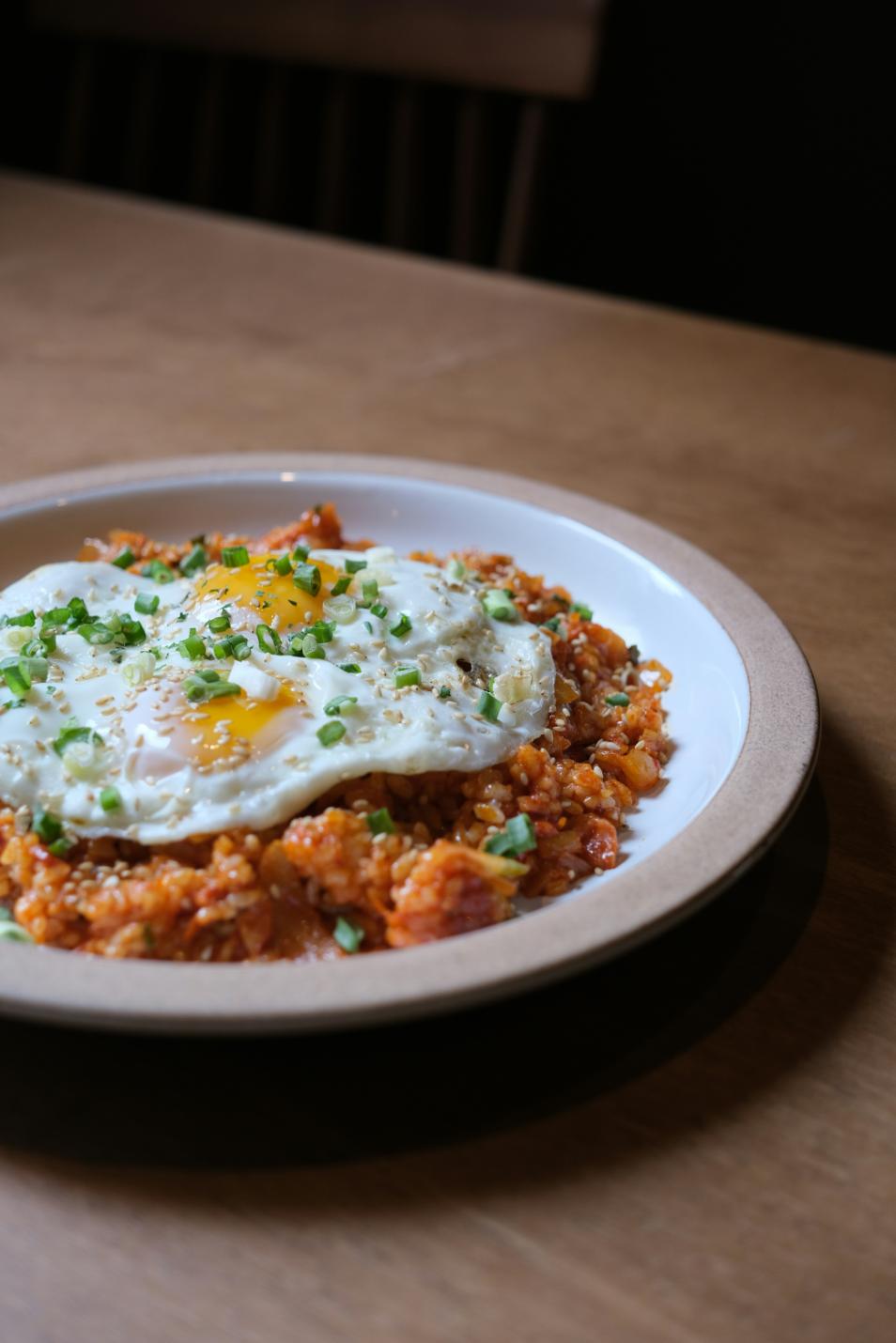
The spinach and mushrooms are classic bibimbap toppings. Serve with kimchi for a more traditional bowl, or see the kimchi fried rice with eggs for another Korean-style dish.