Baked Falafel Bowl with Tabbouleh and Tahini (Vegan)
Proper falafel is made with soaked dried chickpeas and deep fried. This version uses a tin of chickpeas and the oven, so a little gram flour holds it together and 15 minutes in the fridge stops it falling apart. Quinoa replaces the bulgur in the tabbouleh, which makes the bowl gluten-free and adds protein.
Ingredients
- For the falafel
- 1 x 400g tin chickpeas, drained, rinsed and patted very dry (240g)
- 30g gram flour (chickpea flour)
- Half a small onion (40g), roughly chopped
- 1 clove garlic
- A small handful of parsley and coriander (15g)
- 2 tsp ground cumin, 1 tsp ground coriander, half a tsp salt and black pepper
- 2 tsp olive oil
- For the quinoa tabbouleh
- 100g quinoa (uncooked weight)
- 200g tomatoes, finely diced
- Half a cucumber (150g), finely diced
- A large bunch of parsley and a few mint leaves (35g in total), finely chopped
- Juice of 1 large lemon (about 3 tbsp), divided
- 1 tsp olive oil
- For the tahini sauce and topping
- 2 tbsp tahini (30g)
- A small crushed garlic clove and 2 to 4 tbsp cold water
- 20g pumpkin seeds, toasted
Method
- Rinse the quinoa and simmer it in 200ml water for 15 minutes, until the water is absorbed. Cover, rest for 5 minutes, then spread out to cool.
- Put the chickpeas, onion, garlic, herbs, spices, salt and pepper in a food processor. Pulse until finely chopped but not a smooth paste, scraping down the sides. A little texture is what makes falafel, not hummus.
- Tip into a bowl and stir in the gram flour and 1 tsp of the oil. Shape into 12 small patties. Chill for 15 minutes so they firm up.
- Heat the oven to 200C (180C fan). Put the falafel on a lined tray, brush with the remaining oil and bake for 25 minutes, turning halfway, until golden and crisp on both sides.
- While they bake, mix the cooled quinoa with the tomatoes, cucumber, parsley, mint, 2 tbsp of the lemon juice and 1 tsp oil. Season to taste.
- For the sauce, whisk the tahini with the rest of the lemon juice and the garlic. It will thicken and seize at first. Keep adding cold water a spoonful at a time until it is smooth and pourable.
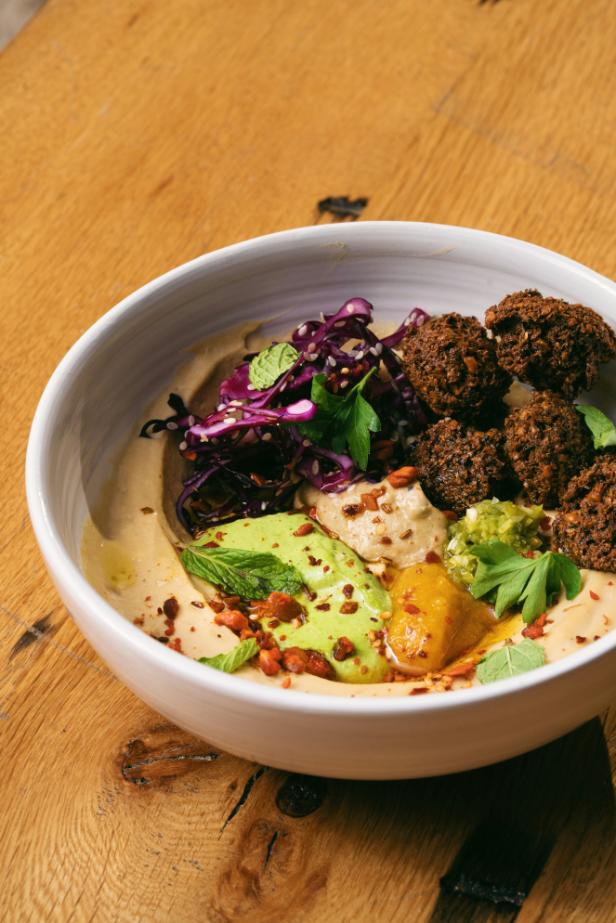
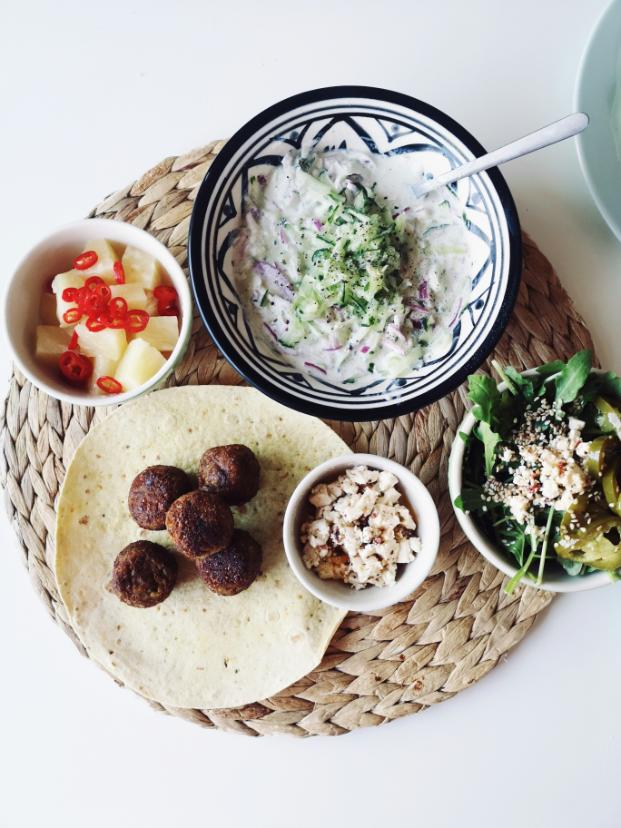
- Divide the tabbouleh between two bowls, add the falafel, drizzle with the tahini sauce and scatter over the toasted pumpkin seeds.
Why it works
A bowl has about 28g of protein, all from plants. It comes from the chickpeas, gram flour, quinoa, tahini and pumpkin seeds. Quinoa contains all nine essential amino acids, and eating a mix of plant proteins across the day covers the rest.
Over 15g of fibre a bowl is half the 30g a day the UK recommends, and most adults eat only about 20g. That fibre is the main reason this is tagged for blood sugar.
Chickpeas, quinoa and pumpkin seeds all contain iron. The iron in plants is absorbed less well than iron from meat, but vitamin C helps. The lemon, tomatoes and parsley in the tabbouleh provide it. This matters most for women with heavy periods and for anyone who eats no meat.
The honest part is the calories. At about 660 a bowl, this is a filling main meal. Most of the fat comes from the tahini, seeds and olive oil, which are mainly unsaturated, but it adds up. Use 1 tbsp of tahini if you want it lighter.
Gram flour is naturally gluten-free, but check the label if you need it strictly gluten-free. Sesame, in the tahini, is one of the 14 major allergens.
If you train and eat a plant-based diet, see creatine for women; vegetarians and vegans get little creatine from food. For more chickpeas, try the smoky roasted chickpeas or the Moroccan chickpea and lentil stew.




.jpeg)


.jpeg)