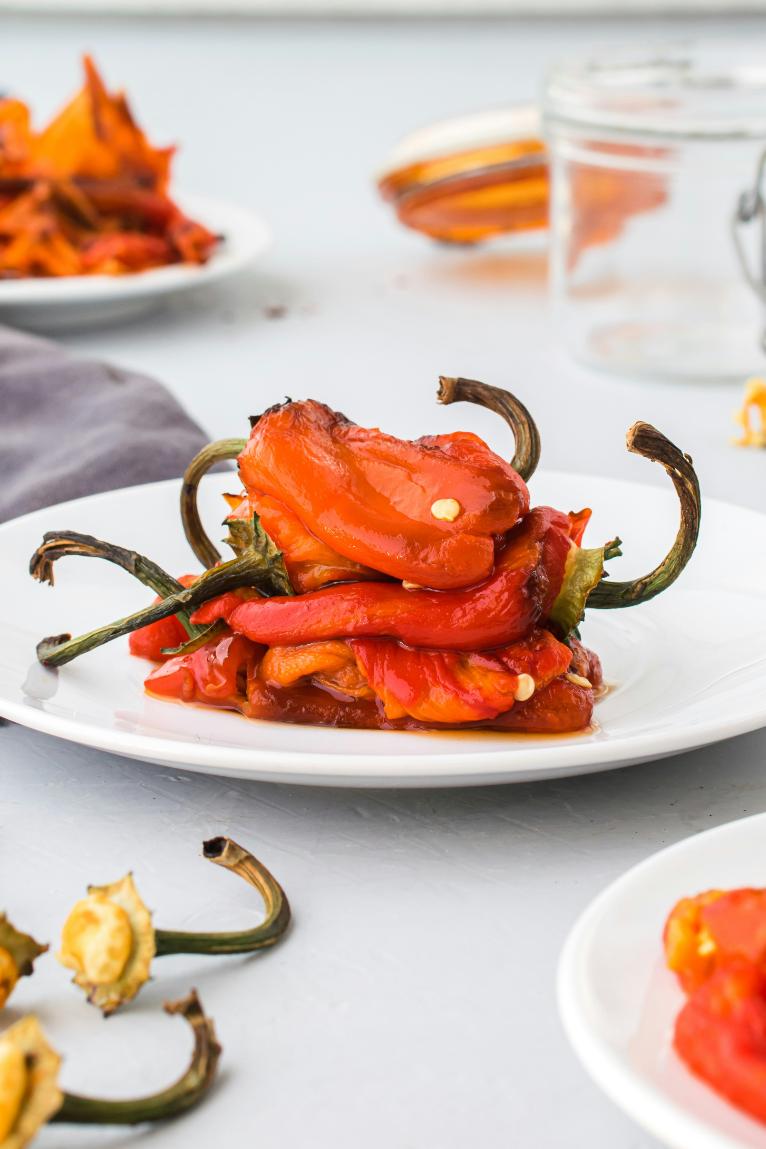
Red peppers
More vitamin C than an orange, weight for weight, plus carotenoids, for very few calories.
At a glance
Why it matters
Ask most people for a good source of vitamin C and they say oranges. Weight for weight, a raw red pepper has roughly twice as much, at well over 100mg per 100g. Half a large pepper provides around 100mg, more than double the UK adult Reference Nutrient Intake (RNI) of 40mg a day.
It is also sweet, cheap, available all year and works raw or cooked, which makes it one of the easiest vegetables to eat every day.
What's inside
The headline is vitamin C. Red peppers also provide beta-carotene and other carotenoids, which the body uses to make vitamin A, as well as vitamin B6, folate, vitamin E and fibre, for around 30 calories per 100g.
Why red beats green. Green peppers are simply unripe. As a pepper ripens to red it builds up considerably more vitamin C and carotenoids and becomes sweeter. Yellow and orange sit in between.
For men
Vitamin C is an antioxidant, and the testes and sperm are sensitive to oxidative stress, which is one reason antioxidant-rich diets are linked with better sperm quality in observational studies. That is a link, not proof, and supplementing high doses has not been shown to raise testosterone.
The more practical point: vegetables like peppers add volume and fibre for very few calories, and losing excess fat is one of the best-supported ways to improve low testosterone. See how to increase testosterone naturally.
For women
Vitamin C increases the absorption of iron from plant foods, such as beans, lentils and fortified cereals. That matters for women with heavy periods, who are the group most likely to run low on iron. See iron deficiency and heavy periods.
Vitamin C also contributes to normal collagen formation for skin and bones, which is relevant as collagen declines after menopause.
How to eat it
Raw keeps the most vitamin C, which is sensitive to heat and water: sliced into salads, dipped in hummus, or eaten like an apple. Cooking reduces it, but a roasted pepper is still a good source, and roasting brings out its sweetness.
Pair peppers with a source of iron, such as beans or lentils, to make the most of that vitamin C. For a full meal, try the turkey and quinoa stuffed peppers, or the huevos rancheros with black beans.
Worth knowing
The nightshade question. Peppers belong to the nightshade family, and some people avoid them in the belief that they worsen joint pain. There is no good evidence for that in general, though anyone who notices a clear personal reaction can simply leave them out.
Sweet peppers are not hot. Chilli peppers are a different variety, and capsaicin, the compound that makes them hot, is almost absent in bell peppers.
An 80g portion, about half a large pepper, counts as one of your 5 a day.
Bottom line
A raw red pepper gives you more vitamin C than an orange for about 30 calories, and helps you absorb iron from plant foods; choose red over green.
Related reading: How can you increase testosterone naturally?, how to balance your hormones naturally and why menopause can leave you so tired. Browse the full food library.
Educational information, not medical advice. Foods affect people differently — if you have a medical condition, are pregnant or breastfeeding, or take medication, talk to your doctor before making big dietary changes. Some links are affiliate links — if you buy through them we may earn a small commission, at no extra cost to you.