Turmeric Tempeh and Cauliflower Bowl with Tahini
Thirty minutes, and 31g of protein without any animal in it. Steam the tempeh first — that is the step that removes the bitterness people blame on tempeh itself.
Ingredients
- 200g tempeh, cut into 1cm slabs
- 1 small cauliflower, about 400g, in florets
- 160g cooked chickpeas, drained
- 2 tbsp tahini
- 1 lemon: juice of the whole thing
- 2 tbsp extra-virgin olive oil
- 1 tsp ground turmeric, 1 tsp ground cumin
- 1 clove of garlic, crushed
- 2 handfuls of spinach
- Salt, black pepper, and 4 tbsp cold water for the dressing
Method
- Heat the oven to 200C fan.
- Steam the tempeh slabs for 10 minutes before anything else. This is the step almost every recipe leaves out, and it is why people think they dislike tempeh: steaming opens the cake and carries off the bitter compounds left by the fermentation. It also lets the marinade get in.
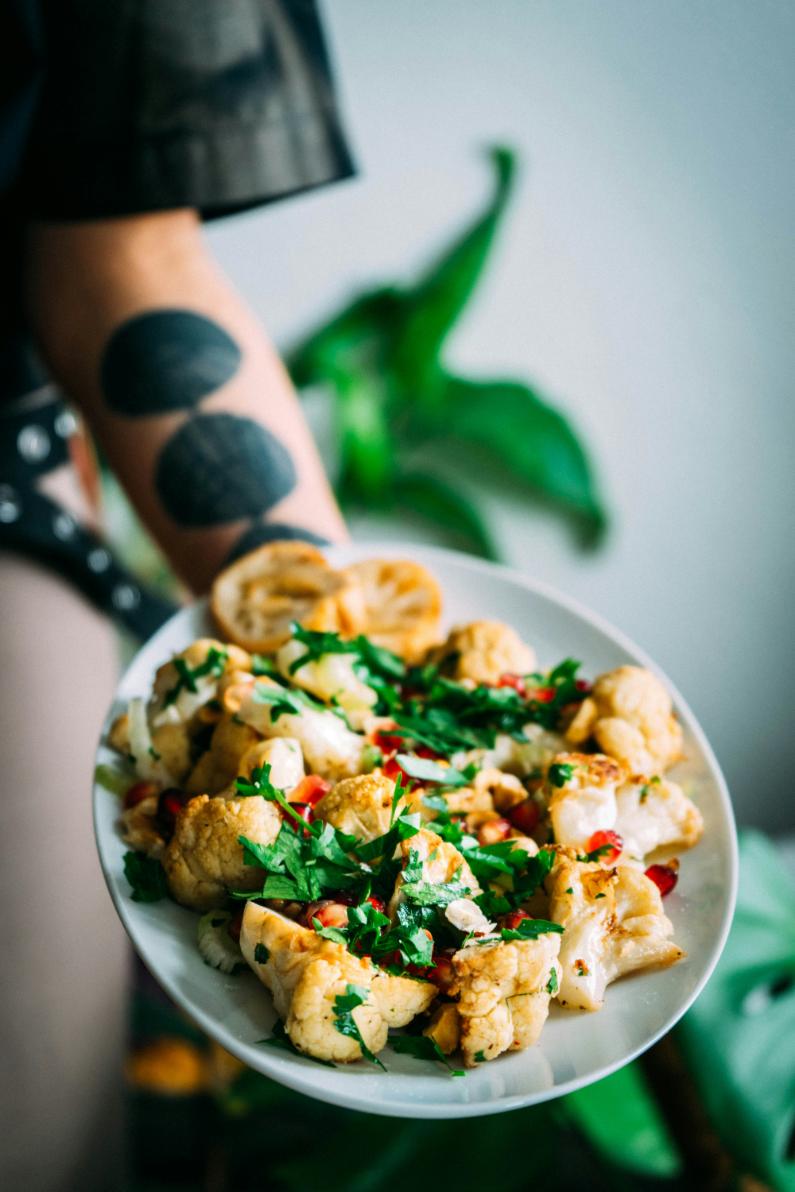
- Toss the cauliflower and chickpeas with 1 tbsp of the oil, the turmeric, cumin, salt and pepper. Roast for 20 minutes, until the cauliflower has brown edges. Pale cauliflower is undercooked cauliflower.
- Pat the steamed tempeh dry, rub it with the remaining oil and a little salt, and add it to the tray for the last 10 minutes.
- Whisk the tahini with the lemon juice, garlic and a pinch of salt. It will seize into a stiff paste. That is correct — keep adding cold water a tablespoon at a time and it loosens into a smooth, pourable cream.
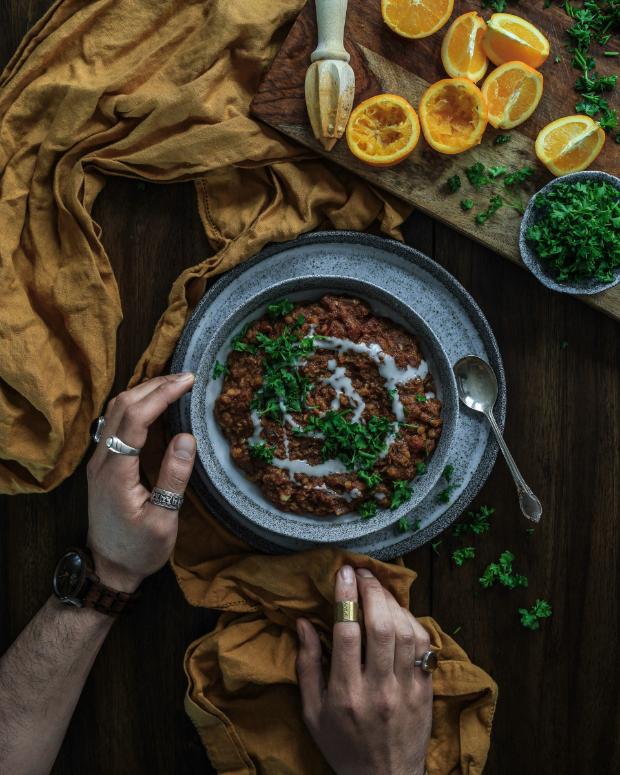
- Stir the spinach through the hot tray so it wilts. Divide between bowls and spoon the tahini over.
Why it works
Tempeh is the most useful plant protein in a British supermarket and the one almost nobody buys.
Tempeh is whole soybeans fermented into a firm cake, which puts it well ahead of tofu on protein and fibre per 100g and makes it a complete protein — it contains all nine essential amino acids in useful amounts, which most single plant foods do not. The fermentation also breaks down phytates, so the iron and zinc in it are better absorbed than from unfermented soy.
Cauliflower is a brassica, and brassicas carry glucosinolates, the compounds that become sulforaphane and indole-3-carbinol. Those influence how the liver processes oestrogen — the same mechanism behind broccoli sprouts, covered here: how to lower oestrogen in men.
The tahini is not a garnish. Sesame seeds are one of the better plant sources of zinc, which holds an authorised claim for the maintenance of normal testosterone levels in the blood — and zinc is where plant-based eaters most often fall short, because phytates in grains and pulses reduce its absorption.
Turmeric is here for flavour and colour. Curcumin is poorly absorbed from food, and the doses used in trials are far beyond what a teaspoon delivers; treat it as seasoning rather than medicine.
It keeps three days in the fridge and the dressing keeps five. Make double.