Tofu Scramble with Turmeric, Spinach and Tomatoes
Twelve minutes and 36g of protein without an egg in sight. Crumble the tofu by hand, not with a fork — the rough pieces are what make it scramble rather than mush.
Ingredients
- 400g firm tofu, drained
- 1 tbsp extra-virgin olive oil
- Half an onion, finely chopped
- 1 clove of garlic, crushed
- Half a tsp ground turmeric
- 1 tbsp nutritional yeast
- 2 handfuls of spinach
- A handful of cherry tomatoes, halved
- 2 slices of sourdough, to serve
- Salt, black pepper, and a pinch of kala namak (black salt) if you have it
Method
- Press the tofu between kitchen paper for a minute to take off the surface water. It does not need a long press for a scramble.
- Warm the oil in a frying pan over a medium heat and soften the onion for three minutes, then add the garlic for one more.
- Crumble the tofu into the pan with your fingers, into uneven pieces from pea-sized to thumbnail-sized. A fork makes it uniform and pasty; the irregular pieces give it the texture of scrambled egg.
- Sprinkle over the turmeric, nutritional yeast and a splash of water. Stir and cook for four minutes, until the tofu is hot, golden and some edges have caught slightly.
- Add the tomatoes and spinach and turn until the spinach wilts, about a minute.
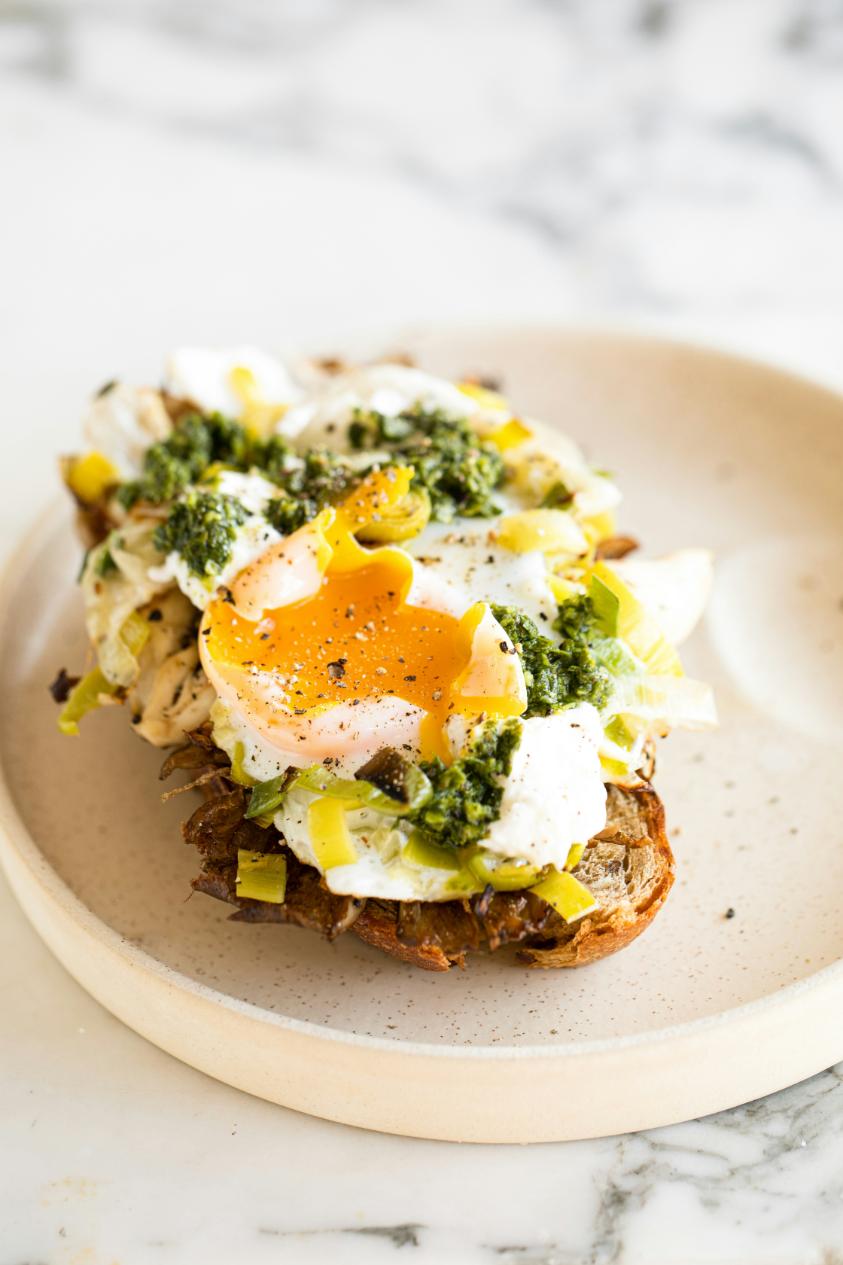
- Season with salt and pepper — kala namak, if you have it, adds a sulphurous note that reads as egg. Toast the sourdough and pile the scramble on top.
Why it works
This is the breakfast for anyone who wants the protein of eggs without eating eggs every day.
A 200g portion of firm tofu carries around 26g of protein, and with the sourdough the plate reaches about 36g. That is more than two eggs and a slice of toast, and it is the kind of number that makes a breakfast last until lunch.
Tofu is soy, and soy is one of the few foods where the evidence touches menopause directly. It contains isoflavones, which are phytoestrogens — plant compounds that bind weakly to oestrogen receptors. Trials of soy isoflavones and hot flushes report a modest reduction on average, with wide variation between women, partly because the effect depends on gut bacteria that only some people carry. It is a reasonable food to eat regularly; it is not a treatment. More on what does help: how to increase oestrogen naturally.
The worry some men have about soy and testosterone is not borne out by the evidence. Meta-analyses of clinical studies have found no meaningful effect of soy protein or isoflavones at normal dietary intakes on testosterone levels in men.
Turmeric is here for colour and a little warmth rather than as medicine; the curcumin doses used in trials are far beyond what half a teaspoon provides. Spinach adds folate and magnesium, and the tomatoes provide vitamin C, which improves absorption of the iron in both the tofu and the spinach.
Tofu set with calcium sulphate — check the label for E516 — is also a meaningful source of calcium, which matters after menopause.
More on the first meal of the day: breakfast mistakes that work against testosterone.