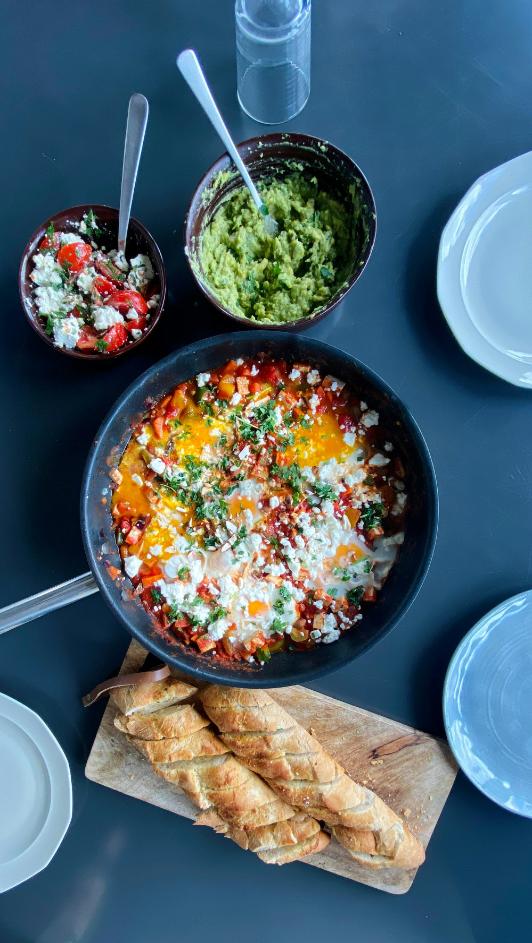
Steak with Sweet Potato Wedges and Chimichurri
Chimichurri is the Argentinian answer to steak sauce: raw parsley, garlic, oregano, vinegar and oil, chopped by hand. Make it first so the flavours can settle, and take the steak out of the fridge at the same time so it cooks evenly.

Ingredients
- 2 lean sirloin or rump steaks (about 175g each), fat trimmed
- 2 medium sweet potatoes (about 500g), cut into wedges
- 2 tsp olive oil, plus 1 tsp for the steak
- 1 tsp smoked paprika
- 300g broccoli or tenderstem broccoli
- For the chimichurri
- A large bunch of flat-leaf parsley (about 30g), finely chopped
- 1 tbsp fresh oregano leaves, chopped, or 1 tsp dried
- 2 cloves garlic, very finely chopped
- A pinch of chilli flakes
- 1 tbsp red wine vinegar
- 1 and a half tbsp extra virgin olive oil
Method
- Heat the oven to 220C (200C fan). Toss the sweet potato wedges with 2 tsp of oil, the paprika and a pinch of salt. Spread out on a lined tray and roast for 25 to 30 minutes, turning halfway, until crisp at the edges.
- Mix all the chimichurri ingredients with a pinch of salt and 1 tbsp of water. Leave to stand while everything else cooks. Take the steaks out of the fridge.
- For the last 12 minutes of the wedges' cooking time, add the broccoli to the tray, or steam it for 4 to 5 minutes.
- Pat the steaks dry, rub with 1 tsp of oil and season. Heat a heavy frying pan or griddle until very hot.
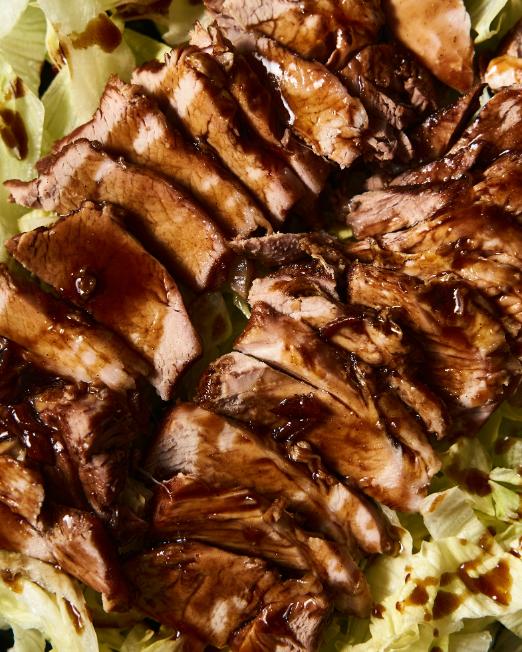
- Cook the steaks for 2 to 3 minutes a side for medium-rare, or 4 minutes a side for medium, depending on thickness. Sear the outside well, including the edges.
- Rest for 5 minutes on a board, then slice against the grain.
- Serve the steak with the wedges and broccoli, and spoon over the chimichurri.
Why it works
A serving has about 49g of protein, most of it from the steak. Beef is also one of the best sources of iron and zinc, and the iron in meat is absorbed far better than the iron in plants. Zinc contributes to the maintenance of normal testosterone levels in the blood: see does zinc raise testosterone.
Sweet potato wedges instead of chips. Roasting them with a little oil gives the crisp edges without frying. Sweet potato is rich in beta-carotene, which the body turns into vitamin A, and, unlike ordinary potatoes, counts as one of your 5 a day. With the broccoli, a serving has over 12g of fibre.
Chimichurri is mostly herbs. Raw parsley and garlic make a bright, sharp sauce, and the extra virgin olive oil adds mostly unsaturated fat. Leftovers keep in the fridge for 2 days.
The honest part is the red meat. A 175g raw steak cooks to about 130g. The NHS advises people who eat more than 90g of red and processed meat a day (cooked weight) to cut down to 70g, so this is a portion to balance with fish, poultry and meat-free meals across the week. At about 700 calories, this also suits a training day best.
Is pink steak safe? The FSA advises that whole cuts of beef, such as steaks, can be served pink or rare as long as the outside has been properly seared, because bacteria are mainly on the surface. Minced beef and burgers are different and must be cooked through. If you are pregnant, the NHS advises cooking all meat thoroughly, with no trace of pink or blood. For more on eating for testosterone, see foods that increase testosterone.




.jpeg)
.jpeg)







.jpeg)


.jpeg)