Quinoa, Edamame and Pumpkin Seed Salad
Twenty minutes, keeps three days, and holds together in a lunchbox without going soggy. Dress the quinoa while it is still warm — that is when it takes in the flavour.
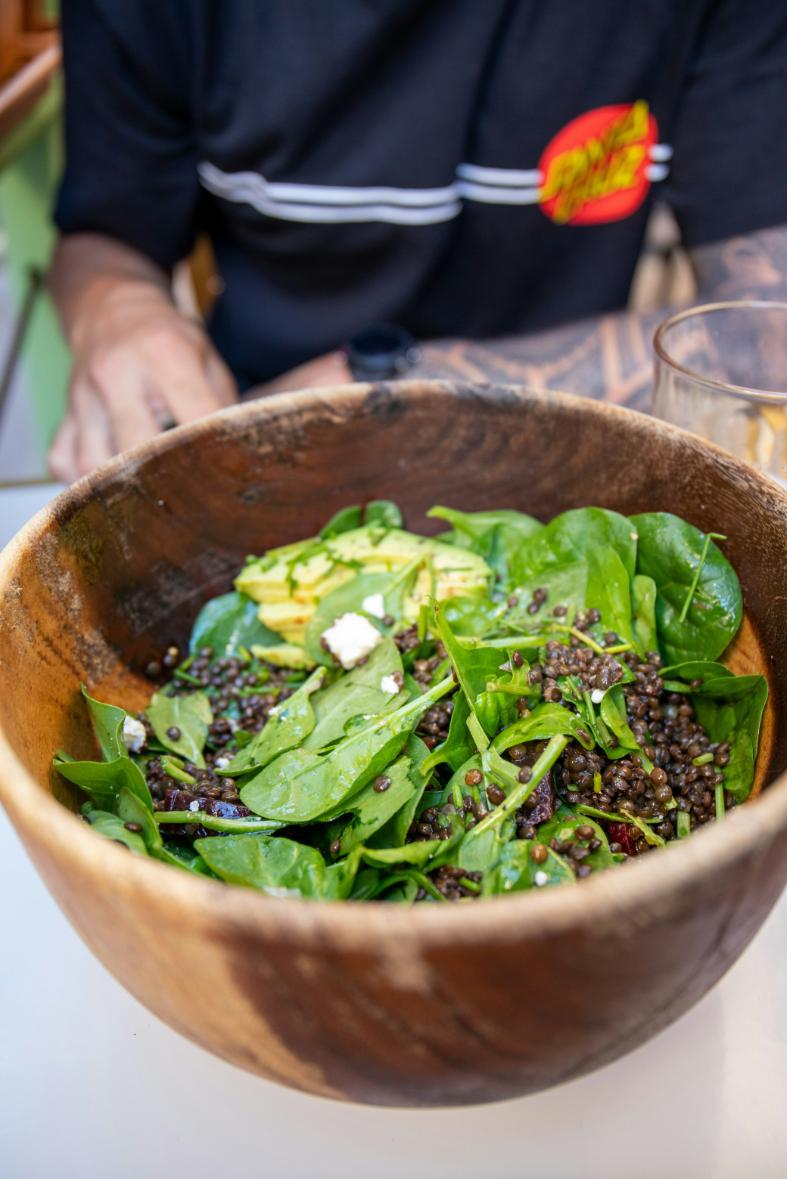
Ingredients
- 120g quinoa, rinsed
- 160g shelled edamame, frozen is fine
- 40g pumpkin seeds
- Half a cucumber, diced
- 3 spring onions, sliced
- A large handful of parsley, and mint if you have it, chopped
- For the dressing: 2 tbsp extra-virgin olive oil, the juice of 1 lemon, 1 tsp Dijon mustard, salt and pepper
Method
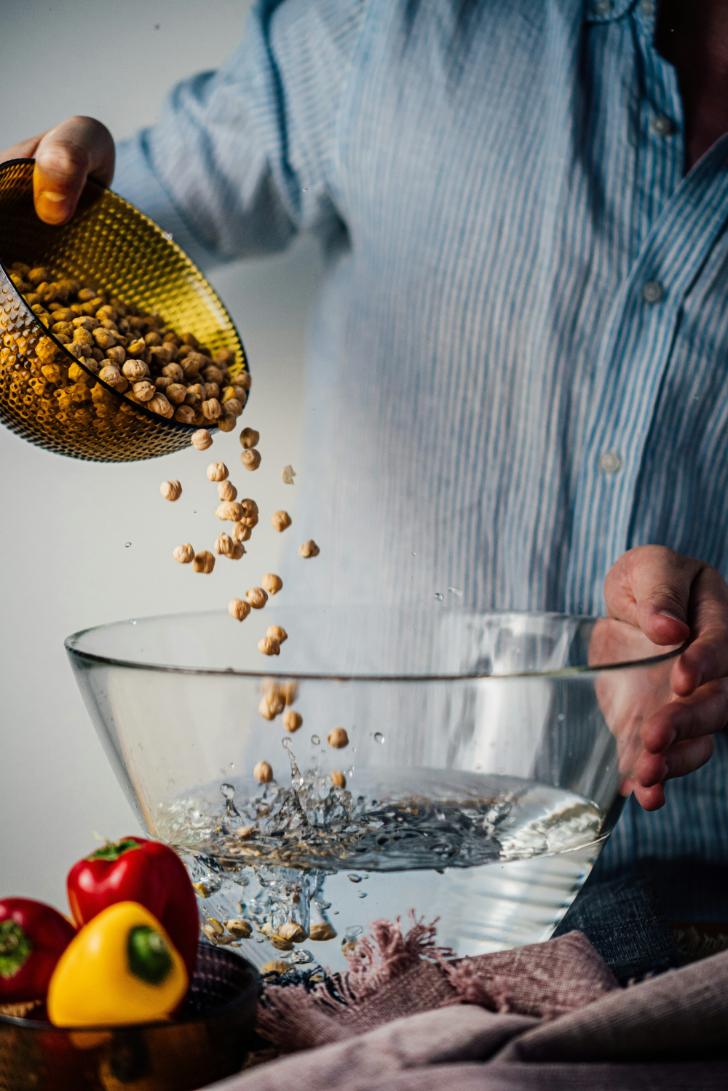
- Rinse the quinoa well in a sieve. Its natural coating, saponin, is bitter and soapy; most packs are pre-rinsed, but thirty seconds under the tap removes what is left.
- Simmer the quinoa in twice its volume of salted water for 12 minutes, adding the edamame for the last three. Drain, return to the pan, cover and leave for five minutes to steam dry.
- Meanwhile toast the pumpkin seeds in a dry pan until they pop, and whisk the dressing together.
- Pour half the dressing over the quinoa while it is still warm. Warm grains absorb dressing; cold ones just get coated in it. Leave it to cool.
- Fold through the cucumber, spring onions, herbs and the rest of the dressing.
- Scatter over the seeds just before eating, so they stay crisp.
Why it works
Quinoa is one of the few plant foods that is a complete protein on its own, which is the reason it earns its place over rice or pasta in a lunch like this.
Quinoa contains all nine essential amino acids, and it brings fibre, magnesium and iron with them. With the edamame and pumpkin seeds, the bowl reaches about 23g of plant protein — enough to hold appetite through the afternoon, which a pasta salad of the same size does not.
The combination is also why the blood-sugar response is gentle. Protein, fat and fibre arriving together slow how quickly the starch in the quinoa is absorbed, and that steadier curve matters beyond energy: repeated large insulin responses are closely linked to insulin resistance, which tracks with lower testosterone in men and with more difficult symptoms through perimenopause.
Pumpkin seeds are here for zinc and magnesium. Zinc holds an authorised claim for the maintenance of normal testosterone levels in the blood, and on a plant-based diet it is the mineral most likely to run short, because the phytates in grains and pulses reduce its absorption. Toasting the seeds improves the flavour; it does not meaningfully change the minerals.
Edamame are young soybeans, so they carry isoflavones — the plant compounds covered in more detail under phytoestrogens. What soy can realistically do for low oestrogen: how to increase oestrogen naturally.
It keeps three days in the fridge. Store the seeds separately.
More on eating for steady insulin: menopause and diabetes risk.