Chicken and Ginger Congee
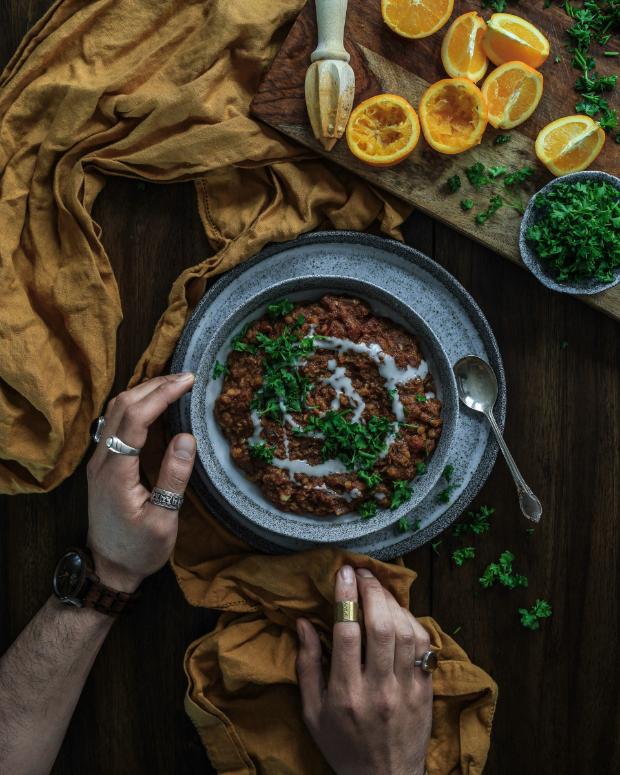
A warm, soft rice porridge built for the evening, made in thirty minutes from cooked rice rather than the usual two hours. The ginger goes in twice — once to cook, once raw at the end.
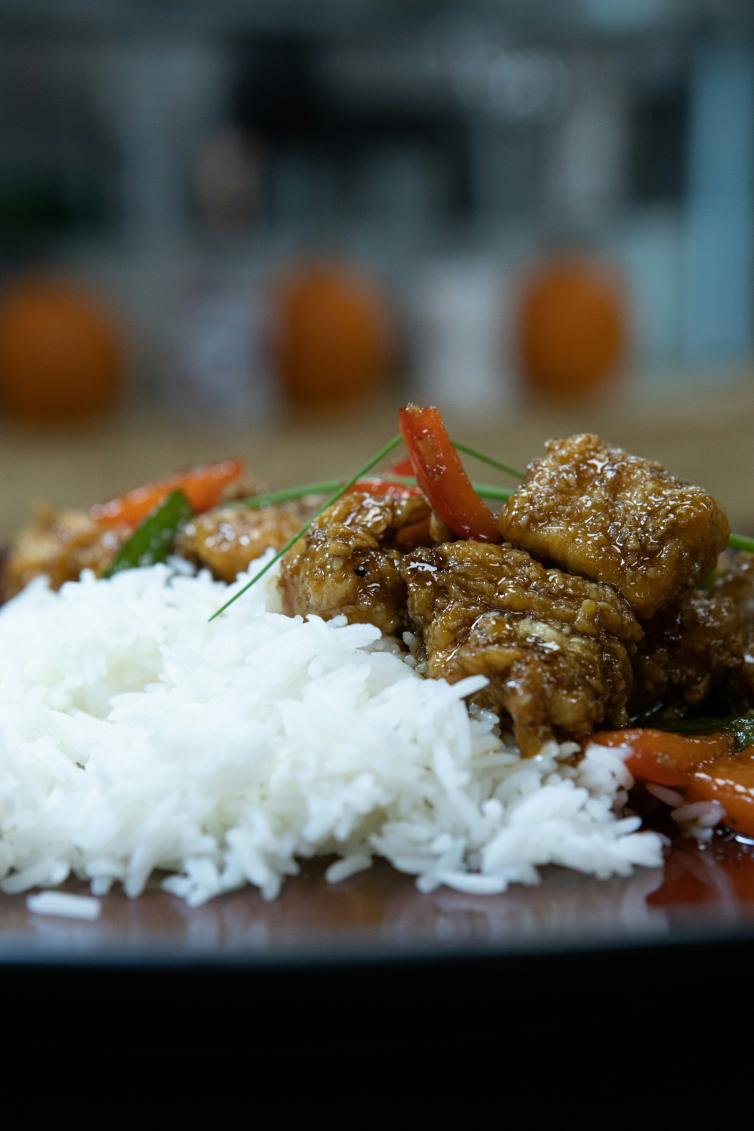
Ingredients
- 300g cooked brown rice — leftover rice is ideal
- 2 skinless chicken thighs, about 300g
- 900ml low-salt chicken stock
- A large thumb of ginger: half sliced, half cut into fine matchsticks
- 2 cloves of garlic, sliced
- 3 spring onions, sliced
- 1 tsp toasted sesame oil
- 1 tbsp tamari, or soy sauce if gluten is not a concern
- White pepper, and chilli oil to serve if you like
Method
- Put the stock, sliced ginger, garlic and chicken thighs into a pan. Bring to a gentle simmer and poach for 15 minutes, until the chicken is cooked through.
- Lift out the chicken and leave it to cool slightly. Fish out the ginger slices.
- Add the cooked rice to the stock. Simmer for 10 minutes, stirring often and pressing the grains against the side of the pan with the spoon. Breaking the grains is what releases the starch and turns rice and stock into porridge. Add water if it thickens too much; it should pour slowly.
- Shred the chicken with two forks and stir it back in. Season with the tamari and white pepper.
- Serve topped with the raw ginger matchsticks, spring onions and a few drops of sesame oil.
Why it works
This is a dinner designed around what an evening meal should do before sleep: be warm, easy to digest, light in fat, and contain both protein and carbohydrate.
Very large or very fatty meals late in the evening are associated with poorer sleep, partly because digestion and the rise in body temperature it causes work against the drop the body needs to fall asleep. Congee is the opposite: soft, low in fat, and quickly digested.
The pairing of protein and carbohydrate is deliberate. Chicken supplies tryptophan, the amino acid the body uses to make serotonin and melatonin. Tryptophan competes with other amino acids for entry into the brain, and carbohydrate helps it: the insulin response clears competing amino acids from the blood. That mechanism is well described. What does not exist is a trial showing congee improves sleep, so treat this as a meal that works with your sleep rather than one that causes it.
Brown rice rather than white keeps the fibre and some magnesium, and a slower glucose response matters at night too — a sharp rise and fall in blood sugar can contribute to waking in the early hours.
Ginger has reasonable evidence for easing nausea and settling digestion, which is part of why congee is the traditional food for someone feeling unwell.
Sleep matters for hormones in both directions. Most daily testosterone release happens during sleep, and short sleep lowers it within a week; for women through perimenopause, broken sleep is often the symptom that makes every other symptom worse.
More: menopause, sleep and hormones · sleep apnoea and testosterone.