Beef and Black Bean Chilli
Zinc, haem iron and 31 grams of protein in one pot. It freezes, and it is better on day two.
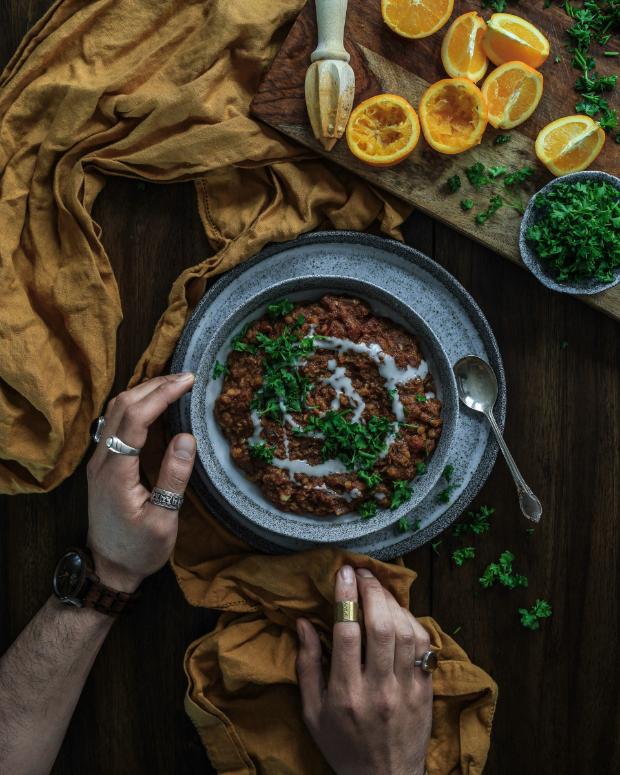
Ingredients
- 1 tbsp extra-virgin olive oil
- 1 large onion, diced
- 1 red pepper, diced
- 4 cloves garlic, crushed
- 500g beef mince, 15% fat
- 2 tsp ground cumin
- 2 tsp smoked paprika
- 1 tsp dried oregano
- Half a tsp chilli flakes
- 1 tbsp tomato puree
- 400g tin chopped tomatoes
- 400g tin black beans, drained and rinsed
- 200ml beef stock
- 10g dark chocolate, 85% or higher
- Salt and black pepper
- To serve: Greek yogurt, coriander, brown rice
Method
- Heat the oil in a heavy pan over medium heat. Add the onion and pepper with a good pinch of salt and cook for 8 minutes until soft.
- Add the garlic and cook for one minute.
- Turn the heat up and add the mince. Break it apart and let it brown properly for 6 to 8 minutes. Do not stir it constantly. The browning is where most of the flavour comes from, and constant stirring stops it happening.
- Add the cumin, paprika, oregano, chilli flakes and tomato puree. Stir for one minute until it smells of spice rather than raw powder.
- Add the tomatoes, beans and stock. Bring to a boil, then drop to a simmer.
- Cook uncovered for 25 minutes, stirring now and then, until it has thickened and no longer looks watery.
- Off the heat, stir in the dark chocolate until it melts. It will not taste of chocolate. It rounds off the acidity of the tomatoes and gives the sauce depth.
- Season properly and taste again. Serve with yogurt, coriander and brown rice.
Better on day two, once the spices have settled. Freezes for three months.
Why it works
A quarter of this pot carries roughly 6mg of zinc, most of it from the beef. Zinc is the one mineral with an authorised health claim attached to testosterone: zinc contributes to the maintenance of normal testosterone levels in the blood. The UK reference intake for men is 9.5mg a day, so one bowl covers most of it.
The honest qualifier matters as much as the claim. Correcting a zinc shortfall helps. Piling zinc on top of an intake that is already adequate does not raise testosterone further, and high-dose supplements can suppress copper absorption. Food first is the sensible order, and the evidence on zinc supplements sets out where the line sits.
Beef also carries haem iron, the form the body absorbs several times more readily than the iron in plants. For women with heavy periods this is the more useful of the two nutrients here, and low ferritin explains a great deal of fatigue that gets attributed to hormones. More on that in iron, heavy periods and fatigue.
The black beans do the metabolic work. Around 11g of carbohydrate per serving arrives wrapped in fibre, and fibre plus 31g of protein flattens the glucose rise that a plate of rice alone would produce. That matters more than it sounds: insulin resistance and low testosterone travel together, and the relationship runs in both directions. What the diabetes trials found covers the loop.
The dark chocolate is a cook's trick rather than a health claim. Ten grams across four servings contributes little nutritionally. It earns its place because the bitterness balances the tinned tomatoes.
Serve it with brown rice rather than white if you can. Cooked and cooled, then reheated, some of its starch converts to resistant starch, which behaves more like fibre than sugar.