Diagnosis
Head Injuries and Testosterone: The Hidden Hormone Damage After Concussion
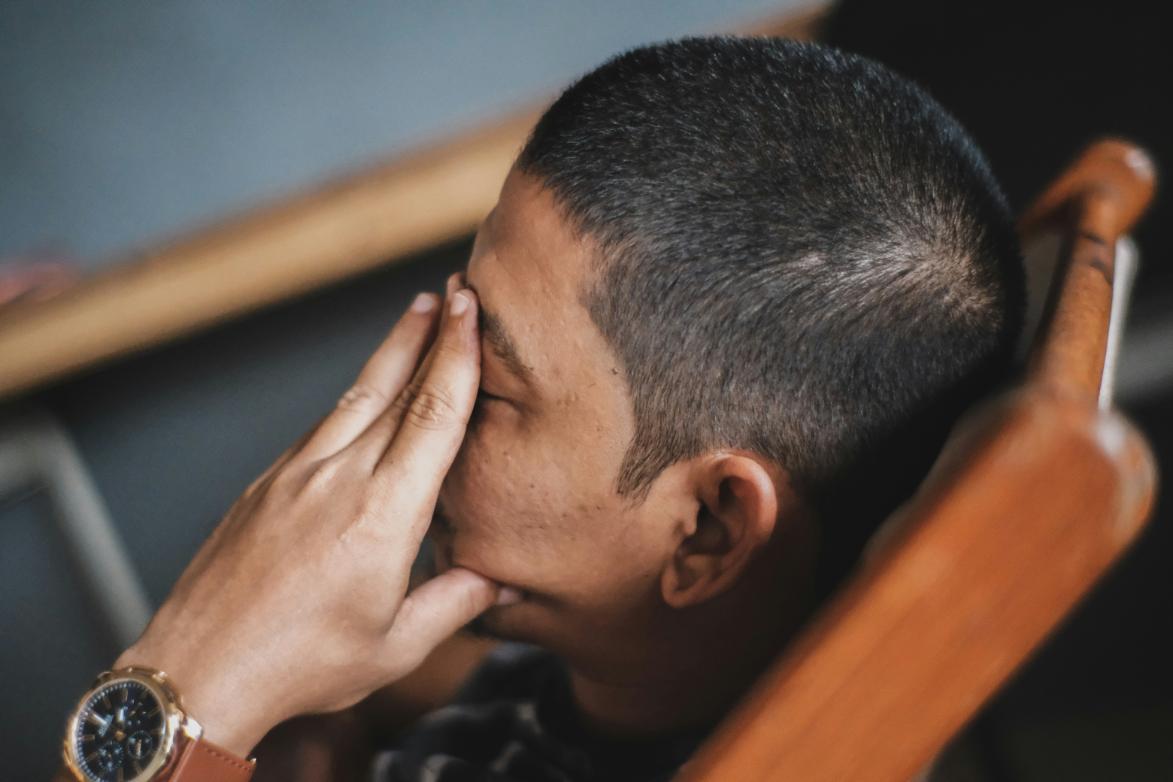
He played rugby from the age of 12 until a shoulder injury ended it at 31. Somewhere in those years he had four or five concussions he could name, and plenty of knocks he could not. In his late thirties he started to feel as if someone had turned the volume down on his life. He was tired all the time, his sex drive had gone, and he had put on a stone (about 6 kg, or 14 lb) without changing how he ate.
His GP checked his thyroid and his iron, which were fine. Eventually a testosterone test came back low, and so did the hormones from his pituitary gland that should have been pushing it up. The likely culprit was not his age or his lifestyle. It was the cumulative damage from all those blows to the head.
This link between head injury and hormones is well documented in medical research and still widely overlooked in practice. If you have had a significant head injury, or a career full of smaller ones, it is worth understanding.
Why your brain controls your testosterone
Testosterone is made in the testicles, but the order to make it comes from the brain. A region called the hypothalamus releases a hormone that tells the pituitary gland, a pea-sized structure sitting just below it, to release luteinising hormone (LH) and follicle-stimulating hormone (FSH). LH travels in the blood to the testicles and switches on testosterone production.
The pituitary hangs from the base of the brain on a thin stalk, and it sits in a small bony hollow in the skull. Its blood supply runs through that stalk and is surprisingly delicate. When the head is struck hard, or whipped back and forth, the brain moves inside the skull. The stalk and its blood vessels can be stretched, bruised or starved of blood, and the pituitary can stop working properly.
When that happens, the testicles are perfectly healthy but they stop receiving instructions. Doctors call this secondary hypogonadism: low testosterone caused by a problem in the brain rather than in the testicles themselves. You can read more about the different causes in our guide to what causes low testosterone.
How common is it?
More common than most people expect. In 2007 a systematic review in JAMA pooled the available studies of adults who had had a traumatic brain injury and been tested for pituitary function. About 27% had at least one pituitary hormone deficiency in the months and years afterwards. Growth hormone and the hormones that drive testosterone were among the ones most often affected.
Later studies, using stricter testing, have tended to find lower figures, and the true rate depends heavily on how severe the injuries were and how people were tested. A reasonable summary is that pituitary problems after a moderate or severe head injury are not rare, while after a single mild concussion they are much less likely.
Repeated hits in contact sport
The picture that has emerged from sport is harder to ignore. In the Football Players Health Study at Harvard, researchers surveyed more than 3,400 former American professional football players. The men who reported the most concussion symptoms were more than twice as likely to report that a doctor had recommended or prescribed treatment for low testosterone, and more likely to report erectile dysfunction, than those with the fewest symptoms. That study relied on what the players reported, so it cannot prove cause and effect, but the pattern was strong and consistent.
Smaller studies in retired American footballers, boxers and kickboxers, who have had many blows to the head over years, have found pituitary problems more often than would be expected. Rugby, football (soccer heading is still debated), ice hockey, martial arts and horse riding all carry a risk of repeated head injury.
Blast injuries in the military
A UK study of soldiers injured in Afghanistan found that around a third (6 of 19) of those with moderate to severe brain injury from roadside bombs had problems with their pituitary hormones. That was a much higher rate than in a comparison group with brain injuries from other causes, such as falls or road accidents, and it suggests the type of force matters.
Early drop or lasting damage?
Right after a serious head injury, testosterone often falls sharply. Much of this is the body's emergency response: severe illness and stress switch off the reproductive axis for a while, in much the same way as major surgery or intensive care does. In many men levels recover over the following weeks and months as the body heals.
That is why a low result in hospital, days after an accident, is not the same as a lasting deficiency. Experts generally recommend testing pituitary function once the acute phase is over, typically around three to six months after a moderate or severe injury, and again at about a year. Problems that are still present at a year are less likely to resolve on their own.
The symptoms look like post-concussion syndrome
This is the main reason it gets missed. The symptoms of low testosterone and low growth hormone overlap almost completely with the lingering effects of a brain injury itself.
- Fatigue that rest does not fix
- Low mood, irritability or flat motivation
- Poor concentration and memory
- Low sex drive and weaker or fewer erections
- Weight gain, especially around the middle, and loss of muscle
- Poor sleep
- Feeling the cold, or a lower tolerance for exercise
A man who has had a bad concussion and then feels tired, low and foggy will usually be told, quite reasonably, that his brain is recovering. Sometimes that is the whole story. But if the symptoms drag on for many months, a hormone cause deserves to be ruled out, because it is treatable in a way that many post-concussion symptoms are not. The overlap with mood is covered in more detail in low testosterone and depression.
Who should ask to be tested
Consider asking your doctor about a pituitary hormone check if any of these apply:
- You had a head injury that needed a hospital admission, a scan showing bleeding or bruising, or caused you to be knocked out for more than a few minutes
- You have had several concussions, particularly in contact sport or military service
- Your symptoms have lasted more than six months after the injury
- Your sex drive, erections, energy or body shape have changed since the injury
- You have dizziness or fainting on standing, nausea or unexplained weight loss, extreme thirst or passing large amounts of urine, which can point to other pituitary problems
The last group of symptoms deserves particular care. The pituitary also controls cortisol, the stress hormone, and a shortage of cortisol can be dangerous during illness. It is one reason pituitary problems are best investigated by a specialist rather than with a single testosterone test.
What the blood test should include
If you only measure testosterone, you will not know why it is low. The useful pattern here is low testosterone with an LH and FSH that are low or inappropriately normal. In other words, the testosterone is low and the brain is not responding by turning the signal up, as it should.
A sensible first set of tests, taken in the early morning when testosterone is highest, usually includes:
- Total testosterone, ideally repeated on a second morning
- LH and FSH
- Prolactin, which can be raised by pituitary damage and has its own effects on testosterone (see our article on prolactin)
- Morning cortisol
- Thyroid tests, including free T4, because a pituitary cause can make TSH look misleadingly normal
- IGF-1, a marker of growth hormone
UK specialist guidance treats a total testosterone below 12 nmol/L (about 350 ng/dL) as possibly low and below 8 nmol/L (about 230 ng/dL) as usually low enough to treat when symptoms fit. Our guide to the testosterone blood test explains timing and preparation. If the results suggest a pituitary problem, you should be referred to an endocrinologist, and you may be offered an MRI scan of the pituitary to rule out other causes such as a benign tumour.
Treatment
The good news is that pituitary hormone shortages are among the more treatable consequences of a head injury.
Cortisol first. If cortisol is low, it is replaced before anything else, because it is the one that matters most for safety.
Testosterone. Men with confirmed secondary hypogonadism and symptoms can be treated with testosterone replacement. It usually helps energy, libido, mood and body composition, though it will not fix the effects of the brain injury itself. Our article on TRT before and after sets out what tends to change, and when.
If you want children. Standard testosterone therapy switches off sperm production. Because the problem is in the brain rather than the testicles, men with secondary hypogonadism can often be treated instead with hormones that replace the missing pituitary signal, such as hCG, sometimes with FSH. These can restore both testosterone and sperm production. This is specialist care, and it is worth raising early. See Will TRT make you infertile?
Thyroid and growth hormone. These are replaced if they are low, and treating them can improve energy and wellbeing too.
What you can do meanwhile
- Protect your sleep. Poor sleep is common after head injury and lowers testosterone on its own. Screening for sleep apnoea is worthwhile if you snore or wake unrefreshed.
- Keep moving and lifting. Exercise supports mood, weight and muscle, and gradual return to activity is part of concussion recovery.
- Go easy on alcohol. It worsens sleep and mood and lowers testosterone, as our guide to alcohol and testosterone explains.
- Keep a symptom diary. Notes on energy, sleep, libido and mood make it much easier for a doctor to spot a pattern.
The bottom line
A significant head injury can quietly damage the pituitary gland, the part of the brain that tells your testicles to make testosterone. It happens after severe injuries, after blast injuries, and after years of repeated concussions in contact sport.
Because the symptoms look so much like the brain injury itself, the hormone problem is often missed for years. If you have a history of head injury and you still feel tired, low and disinterested in sex many months later, ask for an early morning testosterone test with LH and FSH. If the pattern points to the pituitary, see a specialist. It is one of the few parts of recovery from a head injury where a blood test can lead to a clear, effective treatment.
Common questions
Can a concussion lower testosterone?
It can, though a single mild concussion rarely causes lasting problems. The risk is higher after moderate or severe brain injury, blast injury, or many concussions over years, when the pituitary gland that controls testosterone can be damaged.
How long after a head injury should hormones be checked?
Testing in hospital in the first days often shows a temporary fall. Experts generally suggest checking pituitary function around three to six months after a moderate or severe injury and again at about a year.
What kind of low testosterone does a head injury cause?
Secondary hypogonadism. Testosterone is low because the brain is not sending enough LH to the testicles, so LH and FSH are low or inappropriately normal rather than raised.
Is low testosterone after a head injury treatable?
Yes. Testosterone replacement works, and men who want children can often be treated with hCG and sometimes FSH, which replace the missing brain signal and preserve sperm production.
Do former contact sport players have lower testosterone?
In a large survey of former professional American football players, those with the most concussion symptoms were more than twice as likely to report that a doctor had recommended or prescribed treatment for low testosterone. Smaller studies in boxers and kickboxers have also found pituitary problems more often than expected.
Sources: Schneider HJ et al., Hypothalamopituitary dysfunction following traumatic brain injury and aneurysmal subarachnoid hemorrhage: a systematic review, JAMA 2007;298(12):1429-38 · Grashow R et al., Association of concussion symptoms with testosterone levels and erectile dysfunction in former professional US-style football players, JAMA Neurol 2019;76(12):1428-38 · Baxter D et al., Pituitary dysfunction after blast traumatic brain injury: the UK BIOSAP study, Ann Neurol 2013;74(4):527-36 · Tanriverdi F et al., Pituitary dysfunction after traumatic brain injury: a clinical and pathophysiological approach, Endocr Rev 2015;36(3):305-42 · Kelly DF et al., Prevalence of pituitary hormone dysfunction, metabolic syndrome, and impaired quality of life in retired professional football players, J Neurotrauma 2014;31(13):1161-71 · Educational only, not medical advice.
Keep reading: What causes low testosterone? · Prolactin: the test that changes the diagnosis · Thyroid and testosterone · Doctor said normal but you feel tired? · Testosterone and your brain · Do I have low testosterone?
Want the full protocol?
The Testosterone Blueprint covers the complete system — sleep, training, nutrition, supplements and bloodwork, with a step-by-step plan you can start this week.
Get the book →