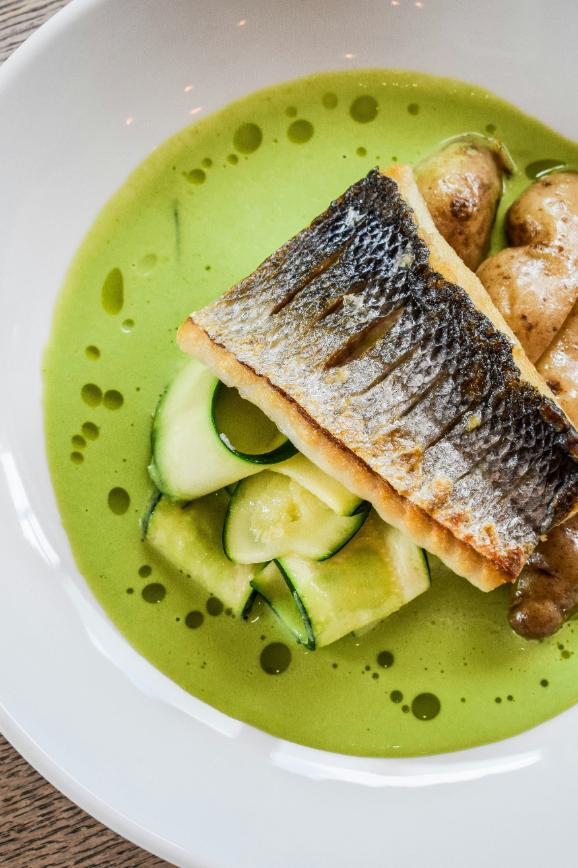
Trout
An oily fish with omega-3 and vitamin D, low in mercury and milder than mackerel.
At a glance
Why it matters
The NHS recommends at least two portions of fish a week, one of them oily. Many people never manage the oily one because mackerel, sardines and herring taste too strong. Trout is the answer: it counts as an oily fish, it is mild and delicate, and it cooks in minutes.
Most trout sold in the UK is farmed rainbow trout, which keeps the price reasonable and the supply steady all year.
What's inside
Trout provides the long-chain omega-3 fatty acids EPA and DHA, the kind your body uses directly and cannot make well from plant sources. It is also one of the better food sources of vitamin D, which very few foods contain in useful amounts.
Add high-quality protein, plenty of vitamin B12, selenium and phosphorus. Because farmed trout is harvested young and sits low in the food chain, it carries far less mercury than tuna or swordfish.
For men
Vitamin D and testosterone tend to travel together in observational studies, and men who are genuinely deficient often have lower levels. Supplements appear to help mainly when levels start low, but food sources are a sensible base, especially through a British winter. See does vitamin D raise testosterone?
Omega-3s EPA and DHA help maintain normal blood triglyceride levels at higher intakes, and heart health and sexual health share the same blood vessels. Selenium contributes to normal sperm formation.
For women
After menopause, bone loss speeds up and vitamin D is needed to absorb calcium, so it matters a great deal at this stage. See protecting your bones.
Women's risk of heart disease rises after menopause, and swapping some red meat for oily fish is one of the simplest changes for heart health: see menopause and heart health. Omega-3s also have modest evidence for period pain.
How to eat it
Fillets cook skin side down in a hot pan in about four minutes, then need only a few seconds on the other side. Bake a whole trout with lemon and herbs, or try the pan-fried trout with almonds and green beans.
Hot-smoked trout flakes straight into salads, scrambled eggs or a jacket potato with no cooking at all. Cook fish until it is opaque and flakes easily.
Worth knowing
Pregnancy. The NHS advises that girls, women who are pregnant, breastfeeding, planning a pregnancy or who may have a baby one day should eat no more than two portions of oily fish a week, trout included, because of pollutants. Men and women past childbearing age can eat up to four.
Cold-smoked fish carries a listeria risk, so the FSA advises cooking it first if you are pregnant or vulnerable. Hot-smoked trout is already cooked.
The omega-3 content of farmed fish depends on its feed, so it varies between producers. Look for responsibly farmed labels such as ASC.
Bottom line
Trout gives you the omega-3 and vitamin D of an oily fish with a mild flavour and low mercury, which makes it the easiest way to actually eat oily fish every week.
Related reading: What foods increase testosterone?, does vitamin D raise testosterone? and the best diet for menopause. Browse the full food library.
Educational information, not medical advice. Foods affect people differently — if you have a medical condition, are pregnant or breastfeeding, or take medication, talk to your doctor before making big dietary changes. Some links are affiliate links — if you buy through them we may earn a small commission, at no extra cost to you.