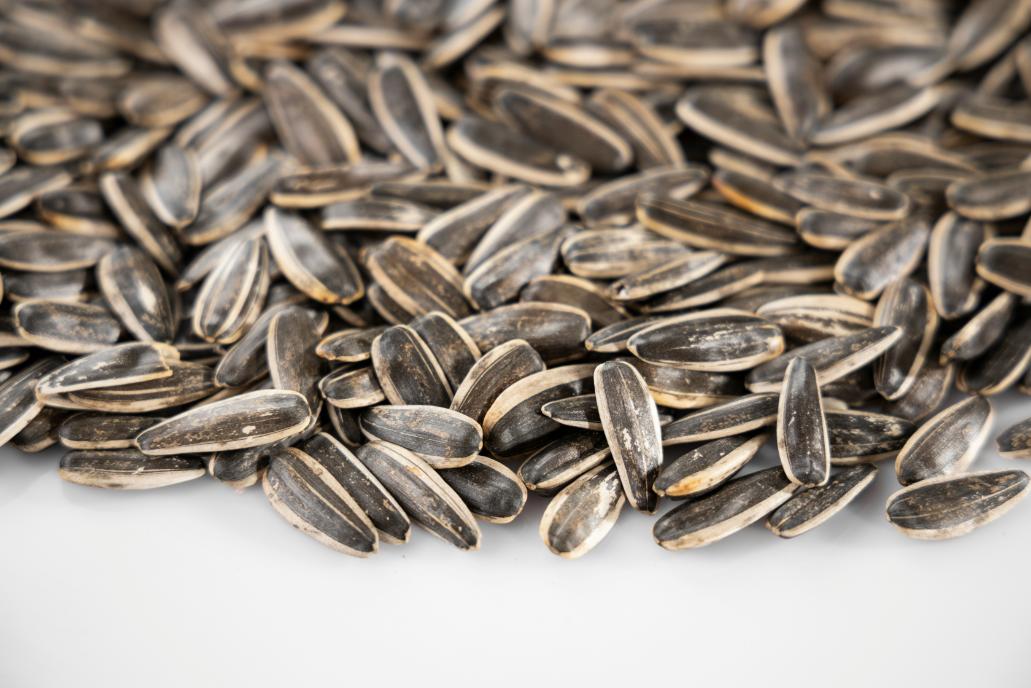
Sunflower seeds
One of the richest everyday sources of vitamin E — the antioxidant that shields the testes and ovaries from oxidative stress — with a strong dose of selenium and magnesium alongside.
At a glance
Why it matters
Your hormone-producing tissue — the testes in men, the ovaries in women — is unusually vulnerable to oxidative stress, the slow cellular "rusting" driven by everyday metabolism, pollution and inflammation. Vitamin E is the body's primary fat-soluble antioxidant, the one that patrols cell membranes and protects them from exactly this damage, and sunflower seeds are one of the richest food sources of it on the planet. That the existing library celebrates vitamin E as a hero nutrient yet had no sunflower seeds was a genuine gap, because a single handful covers well over a day's requirement. Add a near-complete day of selenium — another antioxidant central to sperm health and thyroid function — plus a solid magnesium hit, and the humble sunflower seed turns out to be a small but serious ally for the tissue that actually makes your hormones.
What's inside
The headline is vitamin E, at roughly 35 mg per 100 g — around 230% of a day's need, and among the highest of any food. It protects the delicate fats in cell membranes, including those of the testes and ovaries, from oxidative damage. Selenium (~53 µg, close to a full day's requirement) is a second antioxidant powerhouse, essential for sperm formation and for the enzymes that protect reproductive tissue. Magnesium (~325 mg) supports testosterone availability and sleep; zinc (~5 mg) is a direct cofactor in testosterone synthesis; and vitamin B6 and copper round out the profile. There's also roughly 21 g of plant protein and a generous dose of healthy fats, mostly the polyunsaturated linoleic acid.
For men
For men, sunflower seeds are best framed as protective rather than stimulating. Vitamin E and selenium are two of the most consistently studied antioxidants for sperm quality, count and motility, and they help shield the testes from the oxidative stress that erodes hormone production over time. The magnesium and zinc make a modest, genuine contribution to testosterone itself. This is long-game support — you won't feel a surge, but you're defending the machinery, which is exactly what a diet meant to protect testosterone for decades should do.
For women
For women, the same antioxidants protect the ovaries and egg quality, which is why vitamin E and selenium feature in fertility-focused eating. The magnesium supports easier periods, better sleep and steadier mood, and becomes especially useful through perimenopause. Vitamin E has also been studied — with modest, mixed results — for easing hot flushes and cyclical breast tenderness, so it's a reasonable, low-risk food to lean on during the menopausal transition. As ever, it works as part of a pattern rather than as a single fix.
How to eat it
Keep a jar of unsalted kernels within reach and the rest takes care of itself: scatter them over salads, porridge, yoghurt or roasted vegetables, stir them into homemade granola, or spread sunflower seed butter on wholegrain toast as a peanut-free alternative. A small handful — around 30 g — comfortably covers your vitamin E for the day. Choose raw or dry-roasted and unsalted where you can, since heavily salted, oil-roasted versions add a lot of sodium and refined oil for no benefit.
Worth knowing
Like all seeds, sunflower kernels are calorie-dense and rich in omega-6 linoleic acid, so the aim is a daily handful rather than endless grazing — balance them across the week with omega-3 sources like oily fish, walnuts or flax. Buy them fresh and store them cool, as the fats can turn rancid. Salted, flavoured "snacking" packs are best treated as an occasional treat rather than your vitamin E source. For most people, a modest daily handful of plain kernels is one of the simplest antioxidant upgrades available.
Bottom line
A daily handful of sunflower seeds covers your vitamin E many times over and adds a near-full day of selenium — quietly shielding the very tissue that makes your hormones from the oxidative stress that wears it down.
Related reading: Foods that increase testosterone and the antioxidant mineral selenium.
Educational information, not medical advice. Foods affect people differently — if you have a medical condition, are pregnant or breastfeeding, or take medication, talk to your doctor before making big dietary changes. Some links are affiliate links — if you buy through them we may earn a small commission, at no extra cost to you.