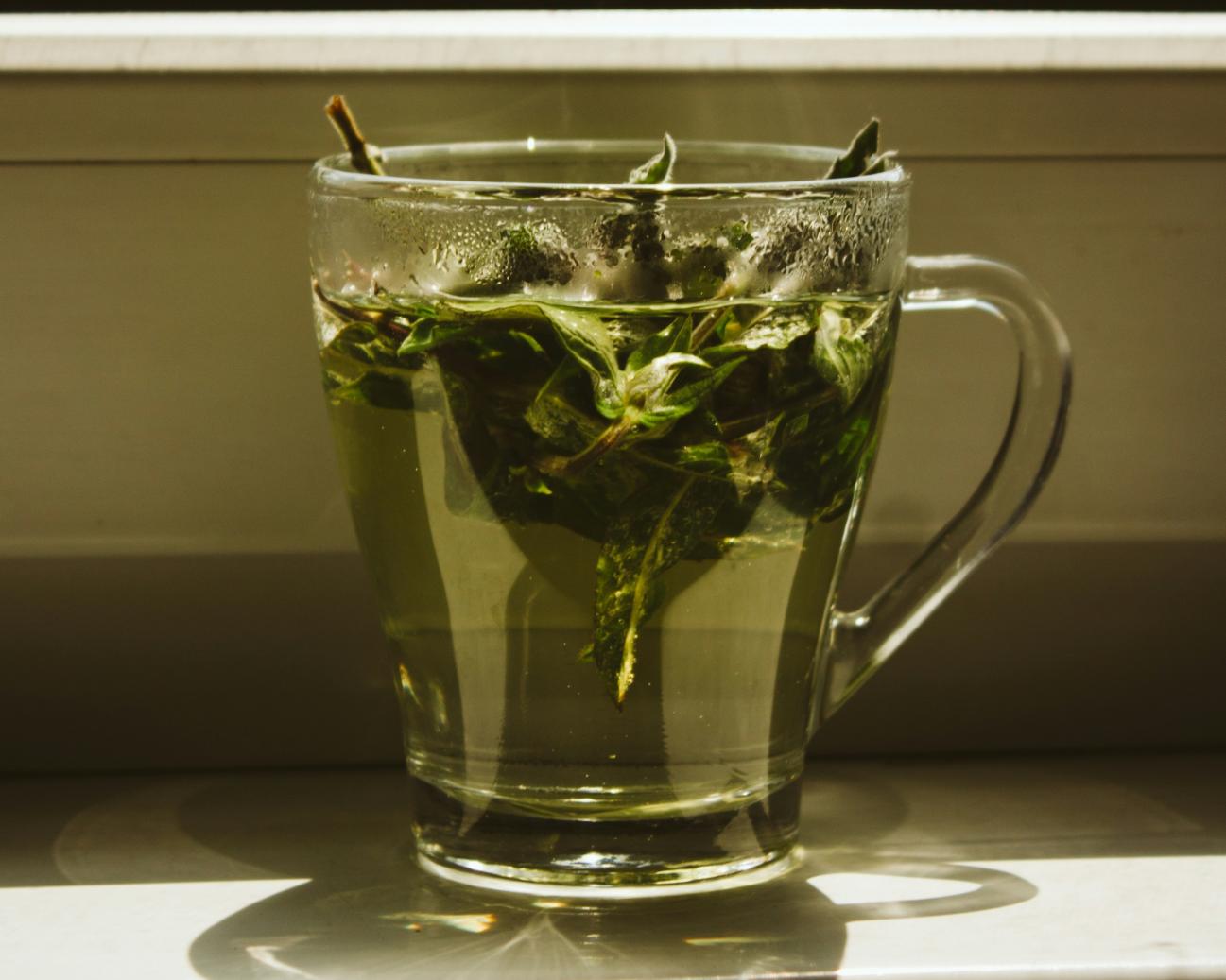
Spearmint & peppermint tea
A soothing herbal tea with a genuine anti-androgen effect — helpful for women with excess androgens, but worth limiting for men and anyone working to support testosterone.
At a glance
Why it matters
This is the entry that best shows why a food's effect depends entirely on who's drinking it. Spearmint tea has a small but real body of human evidence — including randomised trials in women with polycystic ovary syndrome (PCOS) — showing that drinking a couple of cups a day for several weeks measurably lowers free and total testosterone. For a woman troubled by the excess androgens behind PCOS, unwanted facial hair or hormonal acne, that is genuinely good news, and spearmint tea is sometimes recommended as a gentle, natural support. For a man working to protect or raise his testosterone, the very same effect points the other way: a daily spearmint-tea habit is quietly working against his goal. Same cup, opposite verdict — which is exactly why it sits under "limit" for the men's side of this library, with an important asterisk for women.
What's inside
The effect is attributed to active compounds in the mint leaf (spearmint appears more potent than peppermint) that seem to interfere with androgen activity and shift the hormones that regulate the reproductive axis — in the PCOS trials, spearmint raised LH and FSH while lowering free testosterone. Note the crucial distinction: this is about drinking mint tea regularly, not about the trace of mint in toothpaste, chewing gum or a sprig in a salad, none of which come close to the doses studied. It's the habitual pot of strong herbal tea, day after day, that carries the effect.
For men
For men supporting testosterone, the practical message is simple and low-drama: an occasional cup of mint tea is completely fine, but a standing habit of two or more strong cups a day is one small, easily-fixed thing quietly pulling in the wrong direction. If you love mint tea and drink it constantly, this is worth knowing; swap most of those cups for green tea, ginger or plain water and you've removed the issue without giving up anything you'll miss. It's a minor factor next to sleep, training and body fat — but it's an easy one to tidy up.
For women
For women, spearmint tea flips from a "limit" to a potential ally in one specific situation: excess androgens, as seen in PCOS, hirsutism (unwanted hair) or persistent hormonal acne. Small trials suggest that a couple of cups of spearmint tea daily can modestly reduce free testosterone and improve these symptoms over a few weeks — a gentle, accessible option to discuss alongside proper medical care, not a replacement for it. For women without an androgen excess, there's no particular need to seek it out or avoid it; it's simply a pleasant tea.
How to handle it
The rule of thumb is dose and intent. Occasional cups: no concern for anyone. A deliberate daily habit of two or more strong cups: helpful if you're a woman targeting high androgens, worth trimming if you're a man protecting testosterone. If you're using spearmint tea therapeutically for PCOS symptoms, do it as part of a plan with your doctor rather than in isolation. And remember the effect is specific to spearmint/peppermint — most other herbal teas carry no such action.
Worth knowing
Keep this in proportion: mint tea is a small lever, not a major hormone disruptor, and it is not "bad for you" in any general sense — it's a caffeine-free, soothing, digestion-friendly drink with a very specific, dose-dependent hormonal quirk. The takeaway isn't fear; it's simply awareness that a heavy daily spearmint habit nudges androgens down, which is welcome for some and unwelcome for others. Match the cup to your goal, and you've handled it.
Bottom line
Spearmint tea genuinely lowers androgens in a dose-dependent way — making a daily habit worth trimming for men protecting testosterone, and, remarkably, a gentle natural ally for women with PCOS or excess androgens.
Related reading: Foods that lower testosterone and, for women, spearmint for PCOS.
Educational information, not medical advice. Foods affect people differently — if you have a medical condition, are pregnant or breastfeeding, or take medication, talk to your doctor before making big dietary changes. Some links are affiliate links — if you buy through them we may earn a small commission, at no extra cost to you.