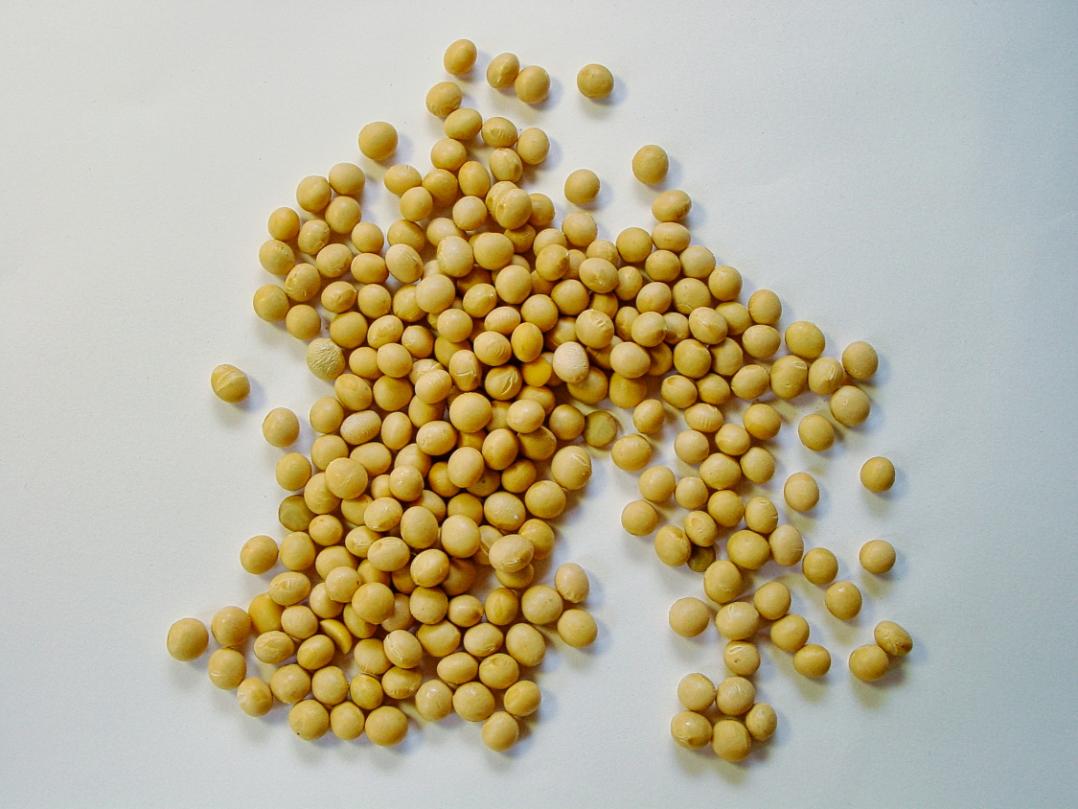
Soy protein isolate
Not the same as whole soy — this concentrated, processed powder delivers isoflavones in a stripped-down form, so it earns more caution than tofu or edamame do.
At a glance
Why it matters
Soy is one of the most misunderstood foods in hormone nutrition, so precision matters. Whole soy foods — tofu, edamame, tempeh — have a good evidence base and appear neutral or even beneficial for hormones, which is why they sit in the supporting section of this library. Soy protein isolate is a different thing: a highly processed powder stripped of fibre and most of the whole-food matrix, concentrating the soy protein and its isoflavones. It is the isolated and concentrated forms of soy, rather than the whole foods, that have generated the most concern in the research, and where a study has shown a testosterone effect it has often involved isolate. That distinction is why it belongs here, under a note of moderation, while whole soy does not.
What's inside
Soy protein isolate is almost pure soy protein, carrying isoflavones such as genistein and daidzein — plant compounds that can weakly interact with oestrogen receptors. What it lacks is the fibre, fats and broader nutrient package of the whole bean, which changes how the body handles it. It is worth being clear-eyed: comprehensive reviews of soy find little overall effect on testosterone or oestrogen in men at normal intakes. The caution here is specifically about relying heavily on the concentrated, processed powder rather than eating whole soy foods.
For men
For men, the honest summary is reassuring but not dismissive. A large meta-analysis of dozens of studies found neither soy foods nor isoflavones significantly affected testosterone or oestrogen. However, the studies that did show a dip in testosterone tended to involve soy protein isolate at high intakes, so a man drinking multiple soy-protein shakes a day is in the scenario with the most (albeit still modest) concern. The sensible move is variety: rotate protein sources rather than leaning entirely on soy isolate.
For women
For women, whole soy is generally considered helpful, particularly around menopause, where its isoflavones may ease some symptoms. Soy protein isolate is less clearly beneficial simply because it is the stripped, processed form without the fibre and nutrients of the whole bean. For women, this entry is less a warning than a nudge toward whole soy foods — edamame, tofu, tempeh — over relying on isolate powders for protein.
How to eat it
If you eat soy, favour the whole forms: tofu, edamame and tempeh come with fibre, minerals and the intact food matrix, and have the best evidence. Treat soy protein isolate as an occasional convenience rather than your main daily protein, and vary your protein sources — whey, eggs, fish, legumes and meat all help avoid over-reliance on any one. Reading labels helps, since isolate hides in many processed protein bars and shakes.
Worth knowing
The key message is nuance, not fear. Soy has been unfairly demonised, and whole soy is a good food; the concern that does exist attaches mainly to concentrated, isolated forms consumed in large amounts. So this is not "avoid soy" — it is "prefer whole soy to isolate powder, and do not build your entire protein intake on the processed form". Handled that way, soy in any form is unlikely to be a problem.
Bottom line
Soy protein isolate is the processed, concentrated form of soy that carries more isoflavone concern than whole soy foods — best moderated in favour of tofu, edamame and tempeh, especially if you rely on protein powders.
Related reading: Does soy lower testosterone?, foods that lower testosterone and foods that increase oestrogen. Browse the full food library.
Educational information, not medical advice. Foods affect people differently — if you have a medical condition, are pregnant or breastfeeding, or take medication, talk to your doctor before making big dietary changes. Some links are affiliate links — if you buy through them we may earn a small commission, at no extra cost to you.