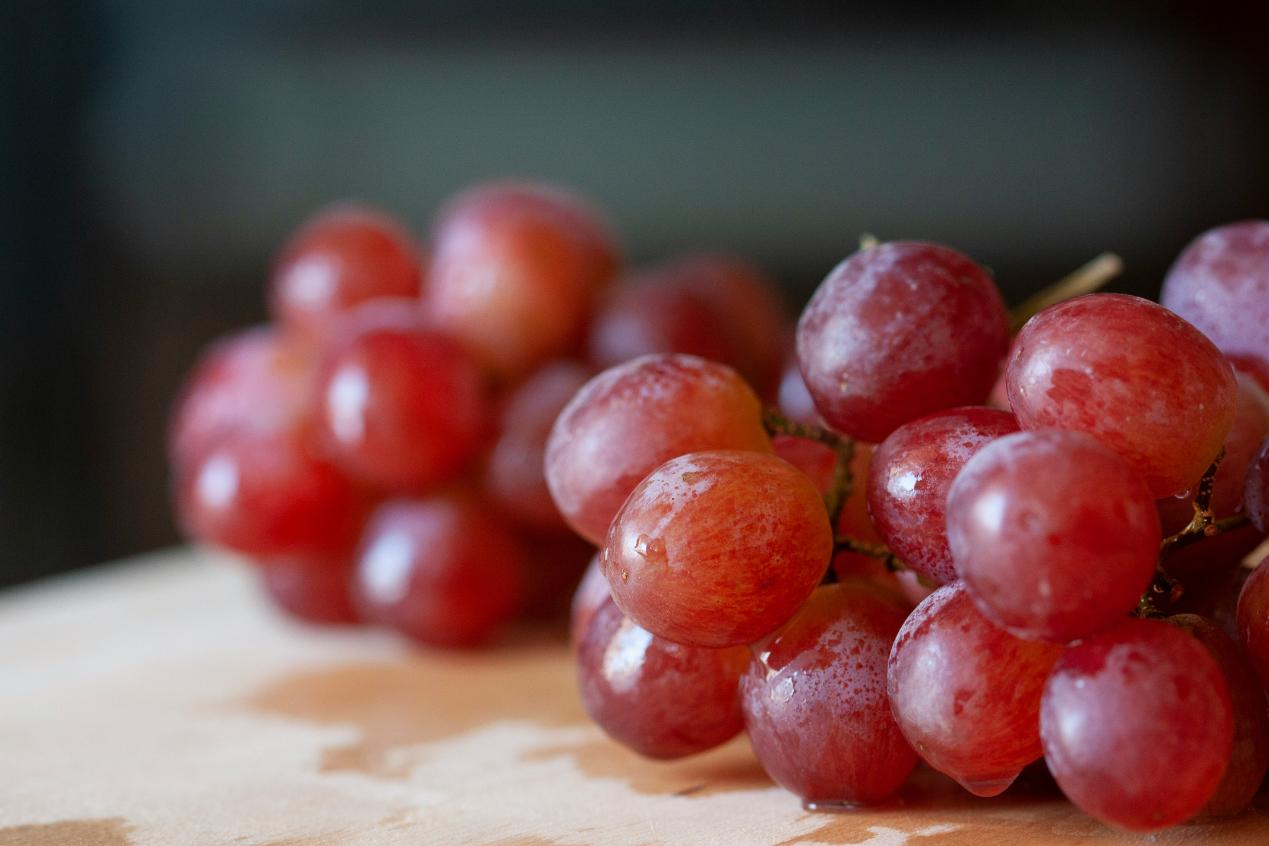
Red grapes
The skins carry resveratrol, a polyphenol studied for gently nudging the testosterone-to-oestrogen balance — plus antioxidants that protect the whole hormonal system.
At a glance
Why it matters
Red grapes owe their place here to what lives in their skins. That deep colour comes from a group of polyphenols, the most talked-about being resveratrol, which has been studied for its effect on aromatase — the enzyme that converts testosterone into oestrogen. In laboratory and animal work, resveratrol appears to modestly restrain that conversion, which would help preserve testosterone, while also acting as a broad antioxidant that protects hormone-producing tissue from oxidative stress. The human evidence is still early and should not be oversold, but as a whole fruit, red grapes are a pleasant, hydrating way to add these compounds to the diet alongside genuine everyday benefits.
What's inside
The signature compound is resveratrol, concentrated in the skin and studied for its effects on aromatase and blood-vessel health. Around it sits a rich mix of polyphenol antioxidants that combat the oxidative stress linked to lower testosterone and faster ageing. Grapes also provide vitamin K for bone and blood health, some vitamin C, and potassium for blood pressure. They do contain natural sugar, but wrapped in water, fibre and skin, which slows its absorption compared with added sugar.
For men
For men, the interest is the aromatase angle: anything that gently limits the conversion of testosterone to oestrogen helps keep the balance favourable, and resveratrol is one of the more studied dietary compounds in that space. The evidence is still developing, so grapes are a supporting player rather than a lever, but as a whole-food source of these polyphenols with real cardiovascular benefits, they make an easy, worthwhile addition.
For women
For women, the value is mostly antioxidant and cardiovascular. The polyphenols in grape skins support blood-vessel health and help counter the oxidative stress that accelerates ageing and disrupts hormonal signalling. Resveratrol has also been studied in the context of menopausal health and bone, with early but encouraging findings. As a naturally sweet whole fruit, grapes help satisfy a sugar craving without the hormonal downsides of refined sweets.
How to eat it
Eat them fresh and whole, skins on, since that is where the polyphenols live — choose red or purple varieties over green for a higher polyphenol content. Freeze them for a cooling summer snack, add them to salads and cheese boards, or pair them with nuts for a blood-sugar-friendly nibble. Whole grapes beat grape juice, which strips the fibre and concentrates the sugar. A handful is a sensible portion.
Worth knowing
Keep expectations grounded: the striking resveratrol findings come mostly from concentrated doses in lab and animal studies, far more than a bowl of grapes provides, so treat grapes as a healthy whole food rather than a testosterone treatment. Because they are sweet, they are easy to overeat, so stick to a handful rather than a whole bunch. As with all produce, wash them well, and organic is worth considering as grapes can carry pesticide residue.
Bottom line
Red grapes bring resveratrol and skin polyphenols that may gently support the testosterone-to-oestrogen balance and protect against oxidative stress — a sweet, whole-food way to add antioxidants without a sugar crash.
Related reading: Foods that increase testosterone, how men can lower high oestrogen and how to balance hormones naturally. Browse the full food library.
Educational information, not medical advice. Foods affect people differently — if you have a medical condition, are pregnant or breastfeeding, or take medication, talk to your doctor before making big dietary changes. Some links are affiliate links — if you buy through them we may earn a small commission, at no extra cost to you.