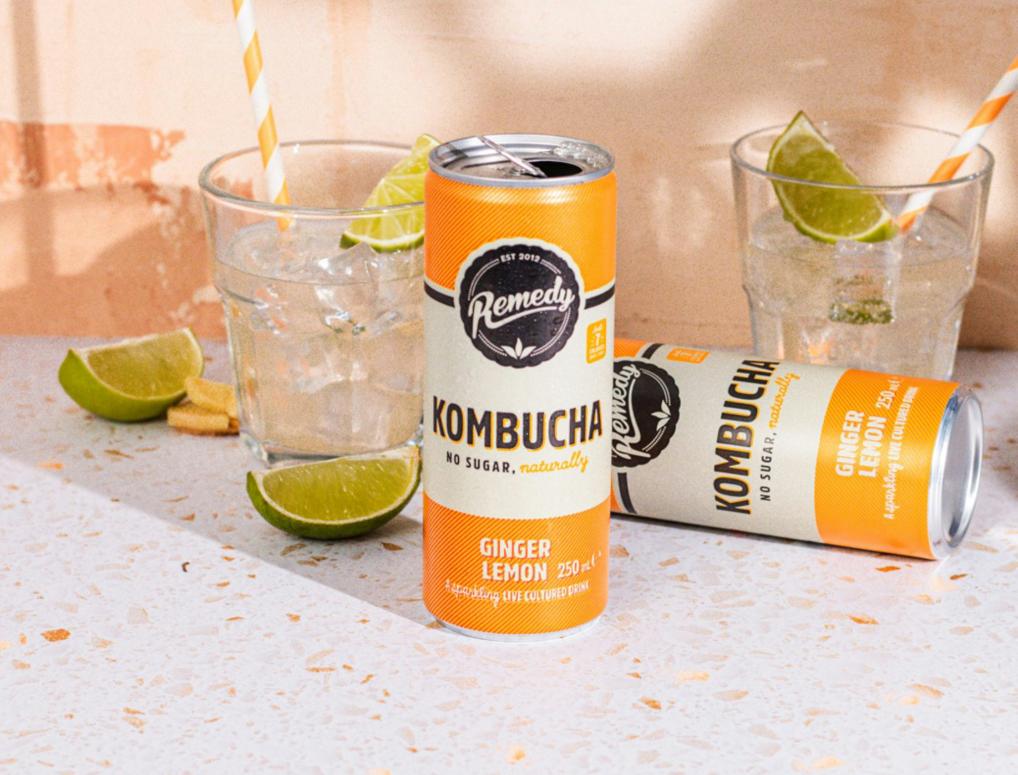
Kombucha
A fermented tea that delivers live probiotics and polyphenols — feeding the gut that helps regulate oestrogen, and offering a low-sugar swap for fizzy drinks.
At a glance
Why it matters
The link between the gut and hormones is one of the more important ideas in modern nutrition, and fermented foods sit at the centre of it. Kombucha — tea fermented with a culture of bacteria and yeasts — delivers live probiotic microbes along with the polyphenols of the tea it is made from. A healthy, diverse gut microbiome helps regulate how the body processes and clears oestrogen, and supports the low-grade inflammation control that underpins hormone balance. On top of that, kombucha is a genuinely useful swap: a lightly fizzy, tart drink that can replace sugary sodas, which are one of the more damaging things for hormones. Its value is as much about what it displaces as what it adds.
What's inside
Kombucha's defining feature is its live probiotic bacteria and yeasts, which help populate and support a healthy gut microbiome. It carries the polyphenol antioxidants of the base tea (green or black), compounds linked to lower inflammation and better metabolic health. Fermentation also produces organic acids and small amounts of B vitamins. What it should not carry in quantity is sugar — a little is needed to feed the ferment, but well-made kombucha keeps the final sugar low, which is the whole point.
For men
For men, the benefit is indirect but real. A healthy gut supports efficient oestrogen clearance and helps control the inflammation that suppresses testosterone, and swapping a daily sugary or energy drink for a low-sugar kombucha removes one of the more reliable testosterone-lowering habits. It is not a testosterone booster, but as part of a gut-friendly, low-sugar pattern it supports the conditions in which testosterone stays healthy.
For women
For women, the gut connection is especially relevant. A collection of gut microbes helps regulate circulating oestrogen, so supporting the microbiome with fermented foods like kombucha helps the body keep oestrogen in balance. The probiotic support also aids digestion, immunity and mood, all of which intersect with hormonal wellbeing through the cycle and menopause. As a refreshing, low-sugar alternative to soft drinks, it fits easily into the day.
How to eat it
Choose plain, live, unpasteurised kombucha and read the label — some commercial brands are closer to soft drinks, loaded with added sugar and fruit juice. A small glass a day is plenty; there is no need for large amounts. It works as an afternoon pick-me-up or a mixer, and pairs well with meals. If you enjoy fermenting, home-brewed kombucha lets you control the sugar and flavour directly.
Worth knowing
Kombucha contains a trace of alcohol from fermentation (usually well under 0.5%), and unpasteurised versions are best avoided in pregnancy. Because the live cultures can cause temporary bloating, start with a small glass. The single most important thing is sugar content: the health value collapses if the drink is heavily sweetened, so the low-sugar, genuinely fermented versions are the ones worth choosing.
Bottom line
Kombucha delivers live probiotics and tea polyphenols that support the gut microbiome influencing oestrogen — and makes a low-sugar swap for sodas — provided you choose the genuinely fermented, low-sugar versions.
Related reading: How to balance hormones naturally, foods that increase testosterone and the best diet for menopause. Browse the full food library.
Educational information, not medical advice. Foods affect people differently — if you have a medical condition, are pregnant or breastfeeding, or take medication, talk to your doctor before making big dietary changes. Some links are affiliate links — if you buy through them we may earn a small commission, at no extra cost to you.