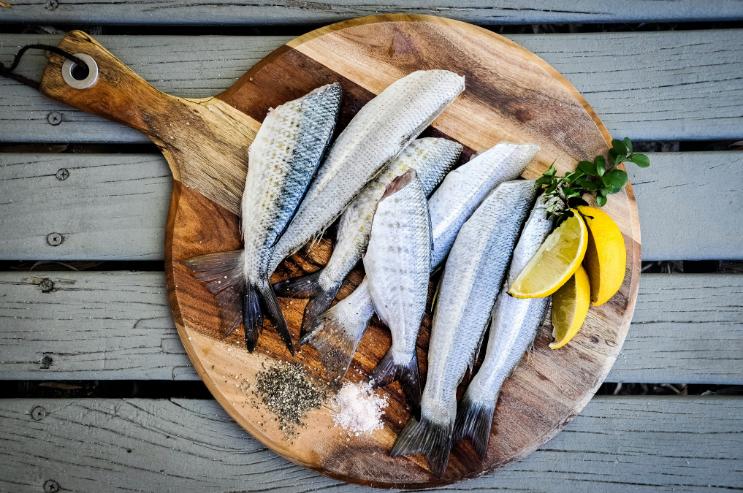
Herring
Salmon-level omega-3, more vitamin D than almost any fish, very low mercury — and cheap enough to eat weekly.
At a glance
Why it matters
Herring is the fish nobody mentions and probably the best value of the lot. It carries as much omega-3 as salmon, more vitamin D than most fish in the sea, and sits near the bottom of the mercury scale because it is small and short-lived. It costs a fraction of salmon and comes tinned, which removes every excuse. If oily fish is the single most useful food category for hormones — and it is — herring is the one that makes eating it three times a week realistic.
What's inside
Omega-3 fatty acids (EPA and DHA) are the headline, at levels comparable to salmon. Vitamin D is exceptional — herring is among the richest natural food sources, and vitamin D behaves more like a hormone than a vitamin. Add vitamin B12 in very high amounts, selenium, iodine for the thyroid, protein, and, if you eat them tinned with bones, meaningful calcium.
For men
Vitamin D status tracks with testosterone in observational studies, and men who are genuinely deficient tend to have lower levels — herring is one of the few foods that moves that dial. The omega-3s lower inflammation, which matters because chronic inflammation suppresses the signal from brain to testes. Selenium supports sperm quality and thyroid function. As a low-mercury choice it is the sensible counterweight to tuna and swordfish, which are best kept occasional.
For women
Omega-3s have reasonable evidence for period pain and mood, and vitamin D matters more after menopause than at any earlier point because bone loss accelerates and vitamin D governs calcium absorption. Iodine supports thyroid function, and thyroid problems are markedly more common in women, often surfacing in the same years as perimenopause. Herring's low mercury makes it one of the safer oily fish during pregnancy too.
How to eat it
Tinned is the easy answer — in olive oil, water or tomato — straight onto toast, into a salad, or mashed with lemon and black pepper. Fresh herring grills in minutes. Pickled and rollmops count, though they carry more salt. Kippers, which are smoked herring, are the traditional British version and make an unusually good breakfast if you want protein and vitamin D before nine in the morning.
Worth knowing
Pickled and smoked versions can be high in salt, so check the label if blood pressure is a concern. Heavily smoked fish is best kept occasional rather than daily. Herring is oily and strongly flavoured — if you have tried it once and disliked it, the tinned-in-tomato version is milder and converts most people. Beyond that there is very little to argue with here.
Bottom line
Herring gives you salmon-level omega-3 and exceptional vitamin D at a fraction of the price, with less mercury — probably the best value hormone food in the shop.
Related reading: What foods increase testosterone? and how can you increase testosterone naturally?
Educational information, not medical advice. Foods affect people differently — if you have a medical condition, are pregnant or breastfeeding, or take medication, talk to your doctor before making big dietary changes. Some links are affiliate links — if you buy through them we may earn a small commission, at no extra cost to you.