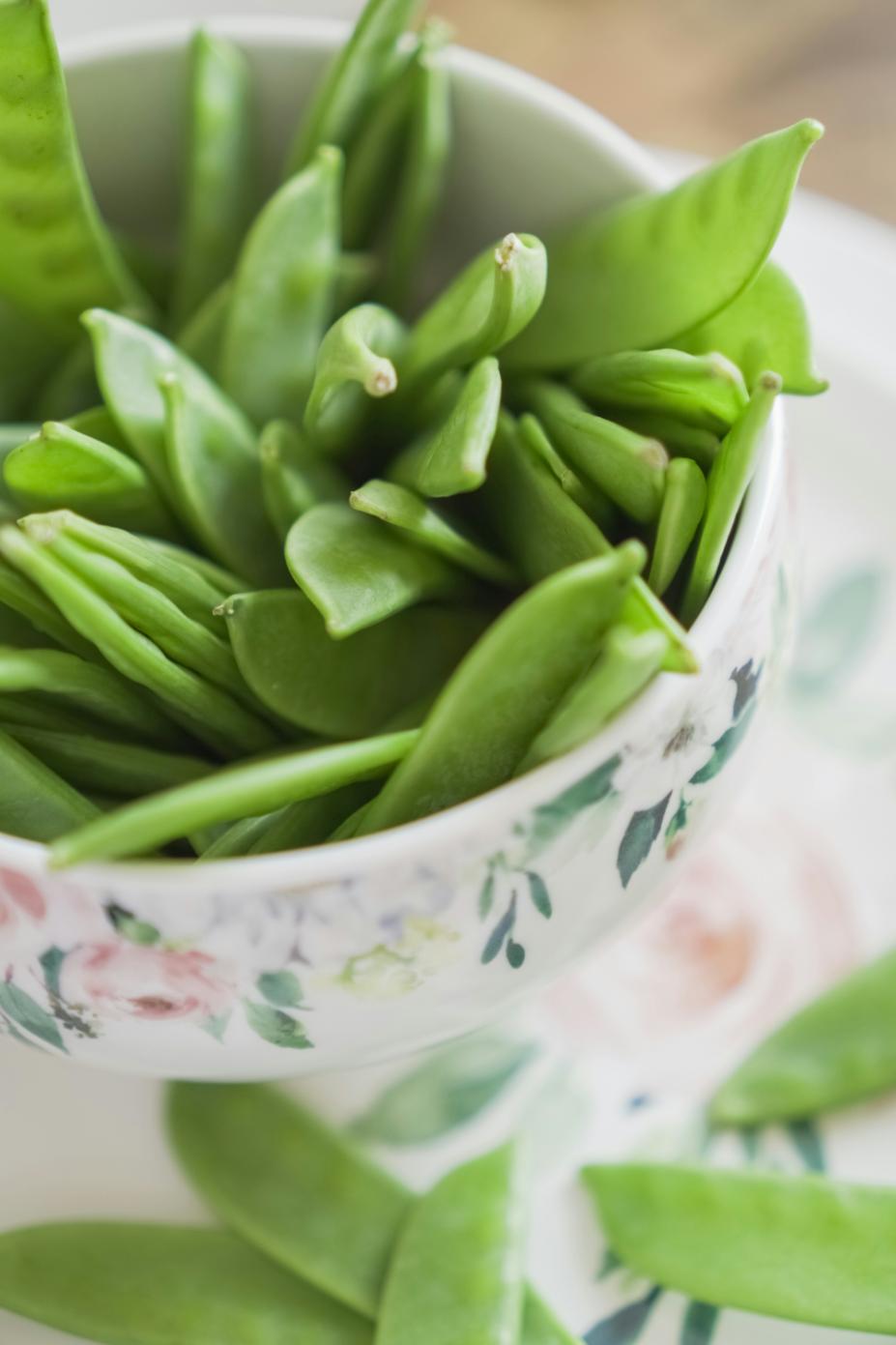
Green peas
A freezer staple with more protein and fibre than most vegetables, for pennies a portion.
At a glance
Why it matters
Peas are so ordinary that they are easy to overlook. But a portion of frozen peas has more protein and fibre than almost any other vegetable, costs very little and keeps in the freezer for months.
Botanically they are a legume, a relative of beans and lentils, which explains why their nutrition sits somewhere between a vegetable and a pulse.
What's inside
Per 100g, peas provide around 5 to 6g of protein and a similar amount of fibre, along with vitamin C, vitamin K, folate, thiamin (vitamin B1) and manganese.
Pea protein, usually extracted from dried yellow peas, is used in many plant-based protein powders. Like other legumes it is relatively low in the amino acid methionine, which grains supply, so pairing peas with grains or other foods across the day gives you a complete mix.
For men
Fibre and protein together slow how quickly a meal is digested, which supports steadier blood sugar. Insulin resistance and type 2 diabetes are closely linked with low testosterone, so foods that help keep blood sugar steady are useful foundations. See does sugar lower testosterone?
Peas also make it easy to bulk out a meal with fewer calories, which helps when losing fat is the goal.
For women
The folate in peas matters for anyone planning a pregnancy, although the NHS still recommends a 400 microgram folic acid supplement on top of food.
After menopause, the risk of type 2 diabetes rises, and higher-fibre diets are linked with better blood sugar control. See menopause and diabetes risk. The fibre also feeds gut bacteria, part of a healthy gut.
How to eat it
Frozen peas are as good as fresh, and often better, because they are usually frozen within hours of picking, before their sugars turn to starch and their vitamin C starts to fall. Boil or steam them for 2 to 3 minutes.
Stir them into risotto, curry, pasta or soup at the end, crush them with mint and lemon on toast, or add a handful to a lentil pie such as the lentil shepherd's pie with sweet potato mash.
An 80g portion, about 3 heaped tablespoons, counts as one of your 5 a day.
Worth knowing
Peas contain some fermentable carbohydrates, so large amounts can cause wind in people with irritable bowel syndrome. Small portions are usually fine.
Mushy peas are made from dried marrowfat peas and still count, though as dried peas they count as a pulse, so only once a day however much you eat. Tinned versions can be high in salt and sometimes sugar. Check the label.
Pea protein isolate in supplements is a processed extract. It is useful for vegans, but it does not bring the fibre and vitamins of whole peas.
Bottom line
Frozen peas are one of the cheapest ways to add protein, fibre and folate to almost any meal, and they are as nutritious as fresh.
Related reading: Does sugar lower testosterone?, what is the best diet for menopause? and how to balance your hormones naturally. Browse the full food library.
Educational information, not medical advice. Foods affect people differently — if you have a medical condition, are pregnant or breastfeeding, or take medication, talk to your doctor before making big dietary changes. Some links are affiliate links — if you buy through them we may earn a small commission, at no extra cost to you.