Fish roe
Among the densest sources of choline, DHA and vitamin D — at supermarket prices, not caviar prices.
At a glance
Why it matters
Fish roe is the eggs, and eggs of any species are built to contain everything a developing animal needs. That makes roe one of the most nutrient-dense foods available, in a category with liver and oysters rather than with ordinary fish.
Herring, mackerel and sardines are already on this list. Their roe is a different proposition: the same omega-3s in a more concentrated form, plus several nutrients the flesh does not carry in the same quantity.
It is also considerably cheaper than the word caviar suggests. Cod roe, herring roe and lumpfish roe cost very little in most supermarkets.
What's inside
The headline is DHA, the omega-3 most concentrated in brain and retinal tissue, present here in phospholipid form, which some research suggests is better absorbed than the triglyceride form in fish oil capsules.
Then choline, and this is the one worth noting. Most people fall short of adequate intake, it is rarely discussed, and roe is among the richest sources after egg yolk and liver.
Also present: vitamin B12 in substantial amounts, vitamin D, selenium, zinc, iodine, and astaxanthin in salmon roe, which is what makes it orange.
For men
Three things line up here.
Zinc and selenium are both required for testosterone production and for sperm quality, and roe carries useful amounts of each. Correcting a shortfall matters; exceeding sufficiency does not.
Vitamin D acts on receptors in the testes, and at UK latitudes most men are low between October and March. Oily fish and roe are among the few dietary sources.
DHA is concentrated in sperm cell membranes, and omega-3 status is associated with sperm quality in observational work.
None of this makes roe a testosterone food in the way it is sometimes sold. It is a nutrient-dense food that covers several things men are commonly short of, which is a more honest description and a more useful one.
For women
Choline is the standout. Requirements rise in pregnancy and breastfeeding, most women do not meet them, and it is involved in foetal brain development. If you are planning a pregnancy, this is worth knowing.
Iodine matters for thyroid function, and thyroid problems are considerably more common in women. Seafood is the main dietary source in most diets.
DHA supports the same tissues through pregnancy and is relevant to mood, though the evidence there is mixed.
One caution: if you are pregnant, avoid raw or cold-smoked roe for the same listeria reasons that apply to smoked salmon. Pasteurised roe in jars is fine.
How to eat it
Most roe is sold ready to eat, cured or pasteurised, in small jars.
Cod roe is the cheapest and most available in Britain, often smoked, and works spread on rye or oatcakes.
Herring roe is soft, mild and sold either fresh for frying in butter or cured in jars.
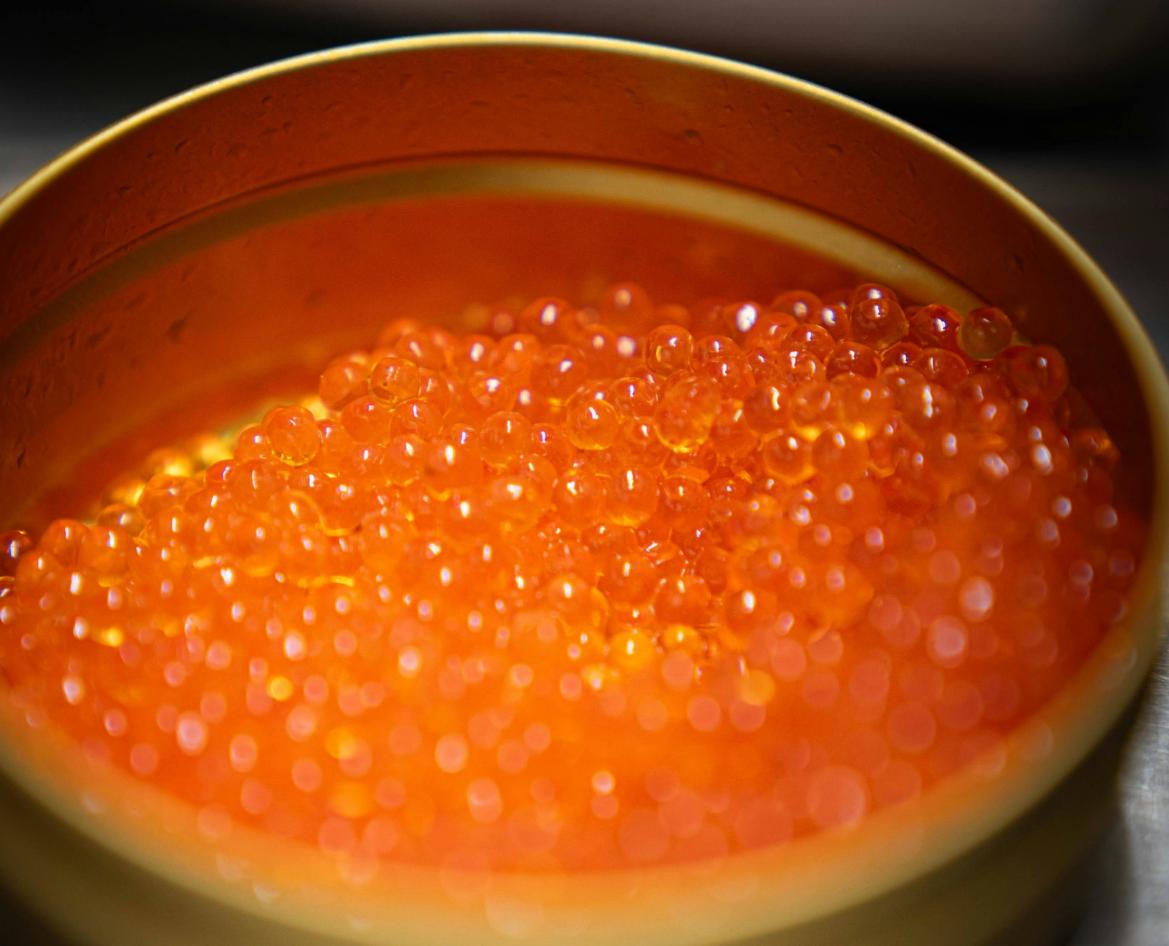
Salmon roe, the large orange spheres, is the best-tasting for most people and carries astaxanthin.
Lumpfish roe is the inexpensive black or red version sold near the smoked salmon, and it is dyed, which is worth knowing though not a health issue.
A tablespoon or two is a portion. On eggs, on toast with butter, folded into scrambled eggs at the end, or alongside a salad.
Keep it cold and eat it within a few days of opening.
Worth knowing
Salt. Almost all roe is cured, and the sodium content is high. This is the main reason to keep portions small rather than eat it by the spoon.
Cholesterol. Roe is high in dietary cholesterol, which alarms people unnecessarily. Dietary cholesterol has a limited effect on blood cholesterol in most people, and the concern has been substantially revised over the past decade.
Price varies absurdly. Sturgeon caviar is expensive because of the fish, not because it is nutritionally superior. Cod and herring roe deliver the same nutrients for a fraction of the cost.
Allergy. Fish roe allergy exists independently of fish allergy, and is worth knowing if you react to seafood.
Bottom line
One of the densest sources of choline, DHA and vitamin D there is, at supermarket prices rather than caviar prices — provided you watch the salt.
Related reading: What foods increase testosterone? and does vitamin D raise testosterone?
Educational information, not medical advice. Foods affect people differently — if you have a medical condition, are pregnant or breastfeeding, or take medication, talk to your doctor before making big dietary changes. Some links are affiliate links — if you buy through them we may earn a small commission, at no extra cost to you.