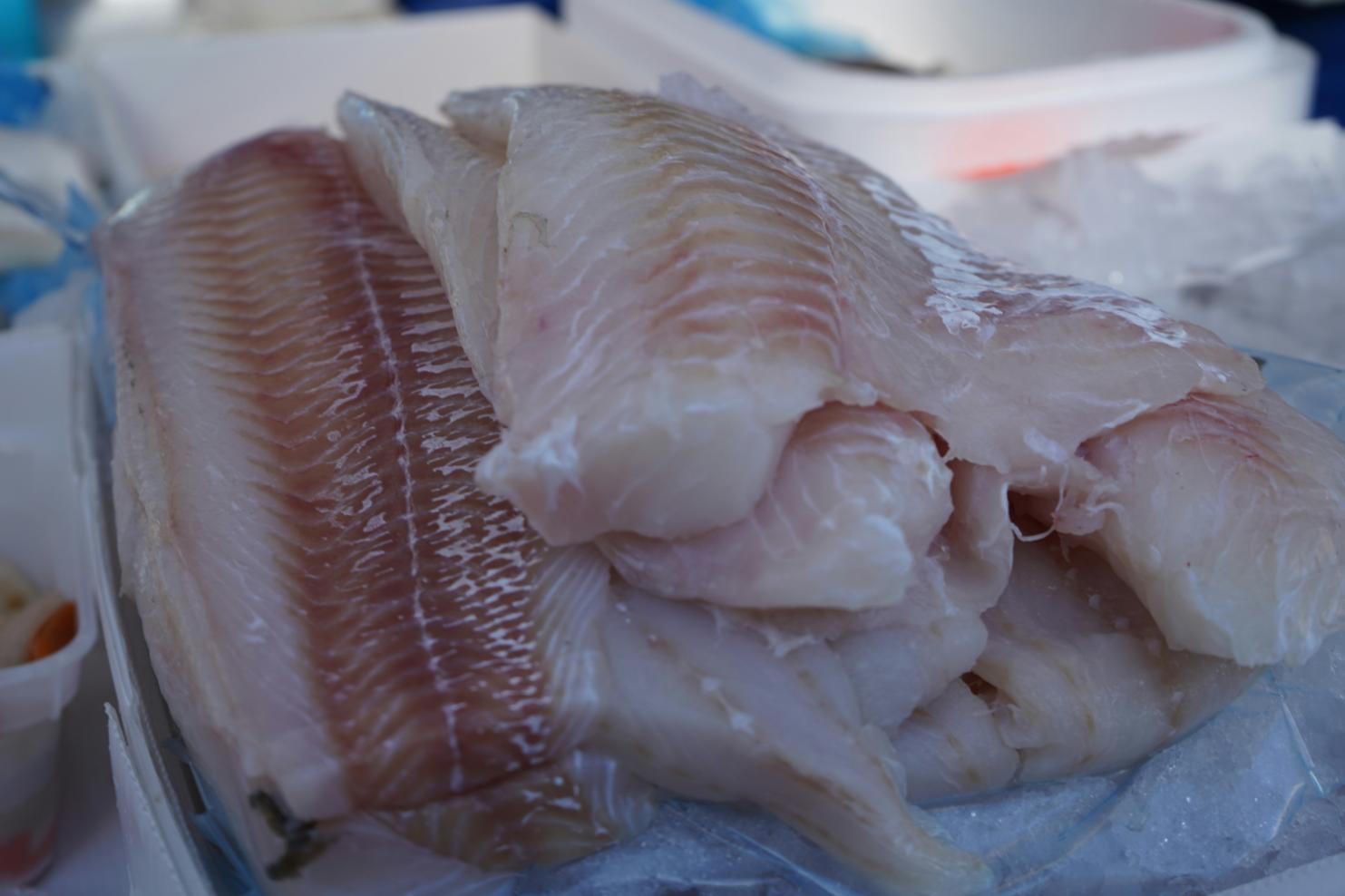
Farmed fatty fish (low-quality)
Oily fish is one of the best hormone foods — but poorly farmed versions can concentrate industrial pollutants like dioxins and PCBs in their fat, which is a different problem from mercury.
At a glance
Why it matters
This is a careful entry, because oily fish is genuinely one of the best categories of food for hormones — salmon, sardines, mackerel and anchovies all appear in the supporting section for their omega-3s and vitamin D. The caution here is narrow and specific: the fat that makes oily fish so valuable is also where fat-soluble industrial pollutants accumulate, and the cheapest, lowest-quality farmed fish, raised on poor feed in crowded conditions, can carry higher levels of contaminants such as dioxins and PCBs. This is a different issue from the mercury that concentrates in large predatory fish; here the concern rides along in the fat itself. The point is not to avoid oily fish — it is to be a little selective about the farmed versions you buy most often.
What's inside
The good news is that farmed oily fish still delivers omega-3 fatty acids, the anti-inflammatory fats that support hormones — that part is real. The concern is the potential for dioxins, PCBs and other fat-soluble pollutants to accumulate in the fish's fat, driven largely by the quality of the feed and the farming conditions. Poorly farmed fish raised on cheap feed tend to carry more of these compounds; responsibly farmed and wild fish generally carry far less. So the same fillet can be excellent or mediocre depending entirely on how the fish was raised.
For men
For men, the omega-3s in oily fish are among the most reliable dietary supports for testosterone and for controlling the inflammation that suppresses it, so the goal is to keep eating oily fish while being selective about source. Some of the pollutants that can accumulate in poor-quality farmed fish are endocrine disruptors, meaning they can interfere with hormone signalling over time — an argument for variety and quality rather than avoidance.
For women
For women, the same fat-soluble pollutants are a particular concern because they can accumulate in the body over years and are relevant to reproductive health, which is why guidance around oily fish is often more cautious for women of childbearing age. The omega-3s remain genuinely valuable for mood, cycle comfort and skin, so again the answer is quality and variety — good-quality or wild oily fish, eaten regularly but from varied sources, rather than the cheapest farmed stock every day.
How to eat it
Keep eating oily fish — just choose well. Favour responsibly farmed fish (look for recognised certification) or wild-caught where you can, and vary your sources across salmon, sardines, mackerel and anchovies rather than relying on one cheap farmed product daily. Smaller oily fish like sardines and anchovies sit lower in the food chain and tend to carry fewer accumulated pollutants, making them a reliable everyday choice.
Worth knowing
Perspective matters: for most people, the benefits of eating oily fish outweigh the contaminant risk, and this entry is about tilting the odds, not scaring anyone off fish. The pollutants concentrate in fat and skin, so trimming visible fat and skin from farmed fish reduces exposure, though it also reduces some omega-3s. The cleanest strategy is simply variety and quality — which is good advice for the whole diet, not just fish.
Bottom line
Oily fish is a top hormone food, but the cheapest farmed versions can concentrate dioxins and PCBs in their fat — so choose responsibly farmed or wild fish, favour smaller species, and vary your sources.
Related reading: Foods that lower testosterone, foods that increase testosterone and how to increase testosterone naturally. Browse the full food library.
Educational information, not medical advice. Foods affect people differently — if you have a medical condition, are pregnant or breastfeeding, or take medication, talk to your doctor before making big dietary changes. Some links are affiliate links — if you buy through them we may earn a small commission, at no extra cost to you.