Black seed
A traditional remedy that actually survived testing — for metabolism, blood pressure and sperm quality.
At a glance
Why it matters
Nigella sativa has been used across the Middle East, North Africa and South Asia for well over a thousand years, and there is a well-known hadith describing it as a remedy for everything except death.
That kind of reputation usually means nothing survives testing. This is the unusual case where a traditional remedy has accumulated genuine randomised controlled trials, and several of them found something.
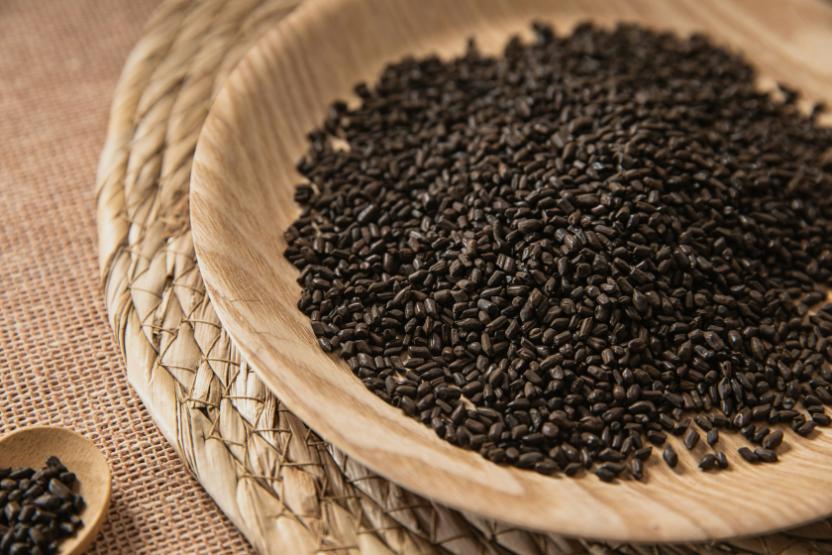
The seeds are small, black, angular, and taste of pepper and oregano with a bitter edge. They are sold as black seed, black cumin or kalonji, and they are not the same as cumin or caraway.
What's inside
The compound doing most of the work is thymoquinone, which makes up a large share of the volatile oil and is what almost every study measures.
Alongside it: thymohydroquinone, nigellone, and a fatty acid profile dominated by linoleic and oleic acid. The seeds also carry useful amounts of iron, calcium, zinc and fibre.
For men
The evidence with most relevance here concerns sperm quality. Randomised trials in men with infertility have reported improvements in sperm count, motility and morphology with black seed oil compared with placebo.
The trials are small, and the effect sizes vary considerably. But this is randomised human data, which puts it well ahead of most things marketed for male fertility.
The metabolic evidence is broader. Meta-analyses report modest reductions in fasting glucose, HbA1c, total cholesterol and blood pressure. None of these are large, and all of them matter for testosterone through the insulin and inflammation pathways described in what causes low testosterone.
For women
The metabolic findings apply equally, and they are particularly relevant in PCOS, where insulin resistance drives the whole picture.
Small studies have examined black seed in polycystic ovary syndrome with encouraging results on hormonal and metabolic markers, though the trials are preliminary.
There is also work on menopausal symptoms and on lipid profiles in postmenopausal women, again small.
One caution specific to women: black seed has traditionally been used to influence menstruation, and large doses are not recommended in pregnancy.
How to eat it
Two forms, and they are not interchangeable.
Whole seeds, ground fresh, sprinkled on bread, eggs, yoghurt or salads. Roughly a teaspoon daily. They are sold cheaply in any South Asian or Middle Eastern grocer under the name kalonji.
Cold-pressed oil, typically 1 to 2 g daily, which is what most trials used. Look for a stated thymoquinone content, because it varies enormously between products and is the only thing that tells you what you are buying.
The taste is strong and bitter. Most people find it easier in food than by the spoon.
As with most of these, effects in trials appeared over eight to twelve weeks rather than days.
Worth knowing
Three things.
It interacts with medication. Black seed can lower blood glucose and blood pressure, which is useful on its own and a problem alongside drugs doing the same thing. If you take metformin, insulin or antihypertensives, mention it.
Quality varies wildly. Thymoquinone content differs by a large factor between products, and cheap oils are frequently diluted. A product without a stated thymoquinone percentage tells you nothing.
The claims outrun the evidence. Black seed is marketed for cancer, autoimmune disease and almost everything else on the strength of cell and animal studies. What has actual randomised human data behind it is narrower: metabolic markers, blood pressure, some respiratory conditions, and sperm parameters.
That narrower list is still more than most traditional remedies can claim.
Bottom line
One of the few traditional remedies with real randomised trials behind it — for metabolic markers, blood pressure and sperm quality, not for the longer list on the label.
Related reading: How can you increase testosterone naturally? and does sugar lower testosterone?
Educational information, not medical advice. Foods affect people differently — if you have a medical condition, are pregnant or breastfeeding, or take medication, talk to your doctor before making big dietary changes. Some links are affiliate links — if you buy through them we may earn a small commission, at no extra cost to you.