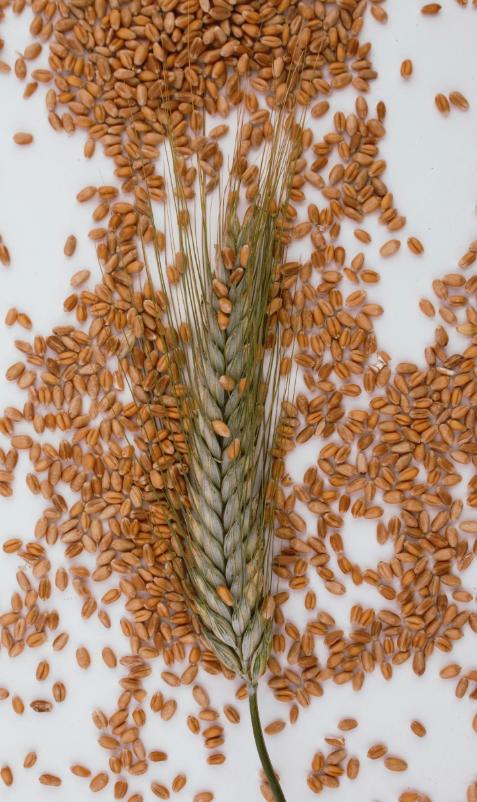
Barley
A forgotten whole grain with the same cholesterol-lowering fibre as oats, and a gentler effect on blood sugar.
At a glance
Why it matters
Oats get all the credit for lowering cholesterol, but barley contains the same soluble fibre, beta-glucan, often in larger amounts. It is one of only two grains, alongside oats, with authorised health claims about beta-glucan in the UK.
It is also cheap, keeps for months and has a pleasant chewy texture that makes soups and stews more filling. It deserves a comeback.
What's inside
The key component is beta-glucan, a soluble fibre that forms a gel in the gut. Barley also provides selenium, manganese, magnesium, niacin and a reasonable amount of plant protein for a grain.
Pot barley is only lightly polished after the inedible husk is removed, so it keeps most of its bran and fibre. Pearl barley is polished further and cooks faster, but it still contains plenty of beta-glucan, because much of it sits inside the grain rather than in the bran.
For men
Barley has a low glycaemic index, and beta-glucan from oats or barley, eaten as part of a meal, contributes to a smaller rise in blood sugar after that meal (the authorised claim applies at higher doses than a typical portion provides). Steadier blood sugar matters, because insulin resistance is closely linked with lower testosterone. See does sugar lower testosterone?
Healthy cholesterol and blood vessels matter too: heart health and erectile health share the same arteries. Barley is a simple swap for white rice or white pasta that helps with both.
For women
After menopause, LDL cholesterol tends to rise as oestrogen falls, and heart disease becomes one of the leading causes of death for women. Beta-glucans contribute to the maintenance of normal blood cholesterol levels; the beneficial effect is obtained with a daily intake of 3g of beta-glucan from oats or barley. See menopause and heart health.
The fibre also helps keep you full, which is useful if menopause has made weight harder to manage.
How to eat it
Use pearl barley like risotto rice for a mushroom and pearl barley risotto, or add a handful to soups and stews, where it thickens the liquid as it cooks. Pearl barley takes about 25 to 40 minutes; pot barley needs longer and benefits from soaking.
Cooked and cooled, it makes a good base for grain salads that keep for a few days in the fridge. Cool leftover cooked grains quickly and keep them chilled.
Worth knowing
Barley contains gluten, so it is not suitable for people with coeliac disease.
Barley water and barley squash have little in common with the grain. Most are mainly water with sugar or sweeteners and flavouring, and only a trace of barley, so they provide almost no beta-glucan.
If you are not used to much fibre, increase it gradually and drink enough water to avoid bloating.
Bottom line
Barley gives you the same cholesterol-lowering beta-glucan as oats, a gentler rise in blood sugar and a satisfying chew; swap it in for white rice a few times a week.
Related reading: Does sugar lower testosterone?, what foods increase testosterone? and why you gain weight in menopause. Browse the full food library.
Educational information, not medical advice. Foods affect people differently — if you have a medical condition, are pregnant or breastfeeding, or take medication, talk to your doctor before making big dietary changes. Some links are affiliate links — if you buy through them we may earn a small commission, at no extra cost to you.