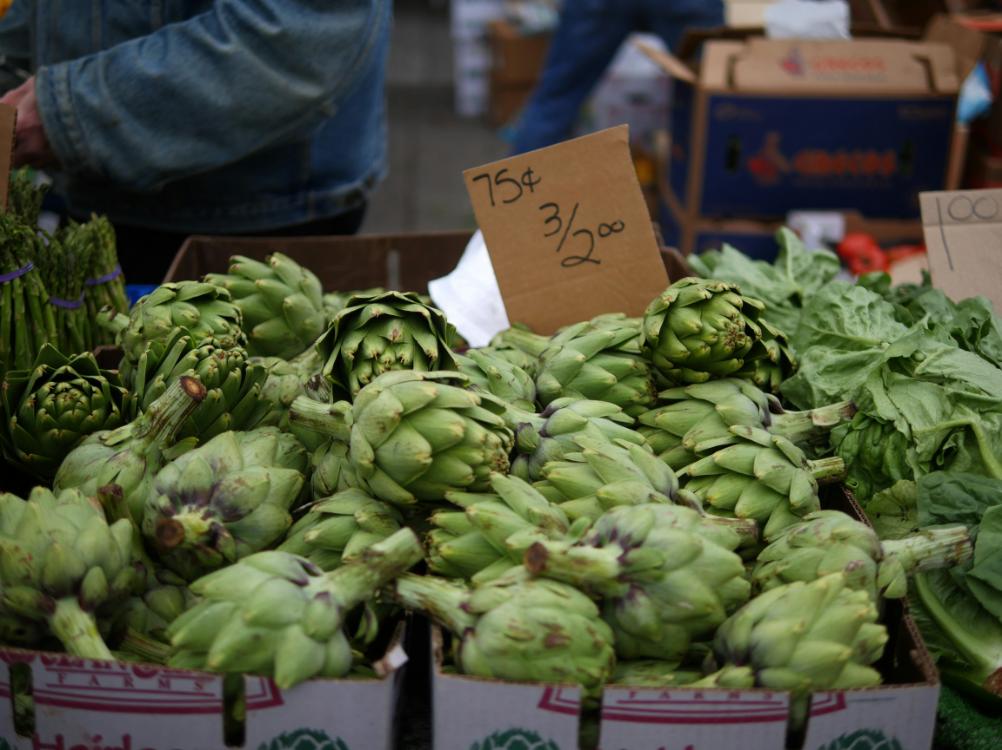
Artichokes
A fibre-rich vegetable that supports the liver and gut — the two systems that clear used hormones — making it quietly useful for keeping oestrogen in balance.
At a glance
Why it matters
Hormone health is not only about making hormones — it is also about clearing the ones you have finished with, and that job falls to the liver and the gut. Artichokes are one of the better vegetables for supporting both. They are rich in fibre, including the prebiotic inulin that feeds beneficial gut bacteria, and they contain compounds long used to support liver function. Since the liver breaks down and the gut helps excrete used oestrogen, keeping both working well helps prevent the build-up that unbalances hormones. That makes the humble artichoke a quietly strategic vegetable, especially for anyone thinking about oestrogen balance.
What's inside
Artichokes are unusually high in fibre for a vegetable, much of it the prebiotic inulin that nourishes the gut bacteria involved in hormone metabolism. They carry cynarin and silymarin, plant compounds studied for supporting liver function and bile flow, the route by which the liver disposes of used hormones. They also supply folate, vitamin K, magnesium and a strong dose of antioxidants. It is this combination — fibre for the gut, plant compounds for the liver — that makes them relevant to hormones rather than any single nutrient.
For men
For men, the oestrogen-clearance angle is the useful one. Efficient liver processing and healthy gut excretion help keep oestrogen from accumulating, which supports a favourable testosterone-to-oestrogen ratio. The fibre also steadies blood sugar and supports a healthy weight, both of which protect testosterone, since excess body fat raises oestrogen. Artichokes are a low-effort way to support the disposal side of the hormone equation that most foods ignore.
For women
For women, this matters even more directly. Oestrogen that is not properly cleared can recirculate and contribute to the symptoms of oestrogen excess, and the gut plays a central role in that clearance through a collection of microbes sometimes called the oestrobolome. The prebiotic fibre in artichokes feeds a healthy microbiome, while the liver-supporting compounds aid the processing side. Together they support the body's natural ability to keep oestrogen in balance across the cycle and through perimenopause.
How to eat it
Fresh globe artichokes are steamed or boiled until the leaves pull away easily, then the tender bases and heart are eaten — a slow, pleasurable ritual. For everyday ease, jarred or tinned hearts (choose olive oil or brine over poor vegetable oils) go straight into salads, pasta, grain bowls and dips. Roasting hearts concentrates their flavour. They pair naturally with olive oil, lemon and garlic, all foods on this list.
Worth knowing
The prebiotic inulin that makes artichokes so good for the gut can cause temporary wind and bloating if you are not used to much fibre, so introduce them gradually. Jarred hearts are convenient but check the oil — olive oil is ideal, refined seed oils less so. Artichokes are genuinely filling for very few calories, which makes them a friend to blood sugar and weight, both of which feed back into hormonal balance.
Bottom line
Artichokes support the liver and gut that clear used oestrogen, with prebiotic fibre and liver-friendly compounds — a quietly strategic vegetable for keeping hormones, especially oestrogen, in balance.
Related reading: How men can lower high oestrogen, the symptoms of oestrogen dominance and foods that increase testosterone. Browse the full food library.
Educational information, not medical advice. Foods affect people differently — if you have a medical condition, are pregnant or breastfeeding, or take medication, talk to your doctor before making big dietary changes. Some links are affiliate links — if you buy through them we may earn a small commission, at no extra cost to you.